5 Winter Office Outfit Mistakes That Make You Look Underdressed
January office dressing exposes every weak choice. A shirt that looked crisp in September suddenly looks thin under fluorescent light. A pair of ankle trousers that felt intentional in May starts reading like a commute gone wrong once salt is drying at the hem and everyone else has added wool, leather, and proper layers. The problem is rarely that the clothes are too casual in a simple dress-code sense. The problem is that winter gives clothes more context, and flimsy context makes an outfit look unfinished.
Underdressed at work does not always mean sloppy. Plenty of people look clean, neat, and still oddly unprepared. The blouse is ironed, the shoes are polished, the coat is expensive, yet something about the whole arrangement says the person got dressed for a heated car, a short hallway, and no actual weather. Winter office clothes have to carry a little visual weight. They need enough structure, coverage, and texture to belong in the season without turning into a weekend ski-lodge costume.
Mistake 1: Wearing Summer Fabrics In Winter Colors
The easiest winter mistake to miss is a lightweight piece pretending to be seasonal because the color is dark. A black polyester blouse, a navy crepe dress, or a burgundy shell can still look like warm-weather office wear if the fabric has no density. Under overhead lights, thin material often has a papery swing. It clings at the waist, collapses at the shoulder, and creates a faint outline of whatever is underneath. Dark color alone cannot make it feel dressed for winter.
This matters most in open-plan offices, conference rooms, elevators, and lobbies, where people are seen in motion and at a slight distance. A thin blouse tucked into thin trousers may technically meet the dress code, yet it lacks the physical presence that winter clothes usually have. The outfit looks as though a cardigan or jacket was supposed to arrive with it and never did.
Better winter office fabrics have some substance. That can mean merino knit, ponte, wool flannel, twill, brushed cotton, cashmere blends, lined suiting, heavier silk, or a viscose fabric with enough drape to hang cleanly instead of fluttering. The difference is visible even when the outfit is simple. A charcoal ribbed knit with tailored trousers looks more complete than a sleeveless shell with a blazer shrugged over it only for meetings. A wool-blend dress with a proper lining looks more intentional than a jersey dress stretched over tights.
Texture helps too. Winter clothes can carry quiet surface detail: a fine rib, a herringbone weave, a brushed finish, a compact knit. These details do not shout, but they make the outfit look seasonally grounded. A plain black top in a better knit often does more for an office outfit than a dramatic necklace added to a flimsy blouse. Accessories can decorate a weak base; they cannot give it weight.
The useful test is harsh and simple: if the piece would look equally at home under a linen blazer in June, it probably needs a winter partner with authority. That partner could be a wool jacket, a long sleeve fine-gauge knit, a structured vest, or trousers in a denser cloth. Without that anchor, the outfit can look like the calendar changed and the clothes did not.
Mistake 2: Treating The Coat As Separate From The Outfit
Office dressing in winter begins before the desk. The coat is often the first thing a colleague, receptionist, client, or manager sees, and it can make an otherwise respectable outfit look casual before the person has even taken it off. A puffer jacket has its place. So does a technical rain shell, a fleece, a parka with a fur-trimmed hood, and the black quilted coat that lives on the back of so many chairs. The issue is proportion and message. Some outerwear announces a grocery run, a dog walk, or a school pickup louder than it announces work.
The coat does not need to be formal every day. It does need to make visual sense with the rest of the clothes. A tailored trouser, leather loafer, and cashmere crewneck can be dragged down fast by a short sporty jacket that ends awkwardly at the hip. A pencil skirt and boots can look stranded under a puffer that is too casual, too shiny, or too short. The eye sees the coat first and assigns the outfit a category before the layers underneath get a chance to argue.
A good winter office coat has three traits: enough length to cover the main line of the outfit, enough structure to keep its shape, and enough restraint to avoid looking like gear. A wool or wool-blend coat, a tailored wrap coat, a clean car coat, a polished long puffer in a matte finish, or a trench-style insulated coat can all work. The best choice depends on the commute and climate, but the principle stays steady. The coat should look like part of the professional wardrobe, rather than a weather emergency thrown over it.
Length is the detail that changes everything. A coat that stops at the waist can make long trousers look sloppy and dresses look exposed. A mid-thigh coat can work with jeans or casual trousers, yet fight with skirts. A knee-length or calf-length coat usually reads more composed because it creates one clean vertical line from shoulder to hem. Even an inexpensive coat looks better when the length is right and the fabric does not shine under lobby lights.
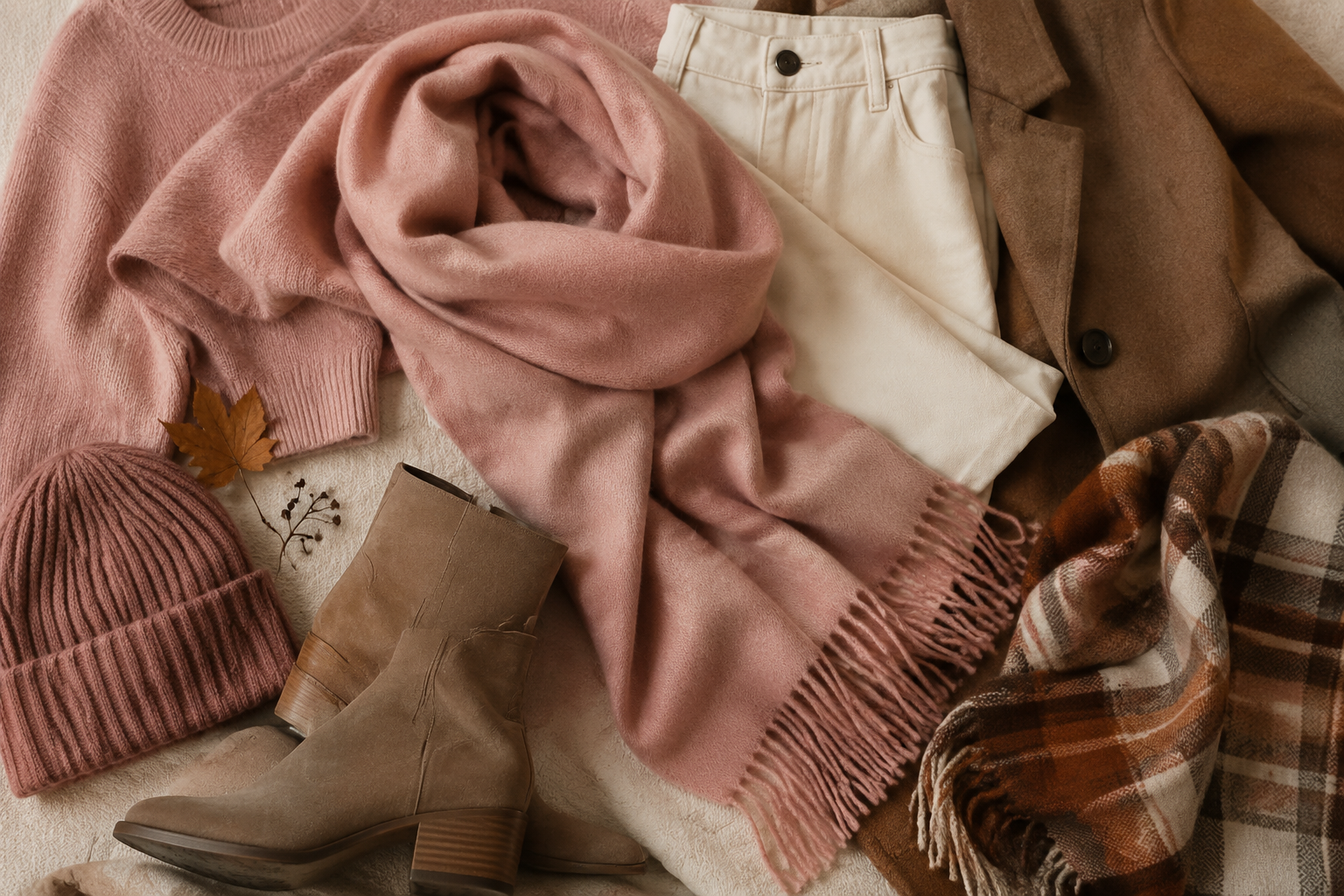
The same goes for winter accessories. A stretched-out beanie, neon athletic gloves, or a scarf in a fleece texture can knock the polish off an outfit in seconds. A ribbed wool hat, leather gloves, and a woven scarf do the same practical work with a better finish. No one needs a movie-costume level of coordination. The goal is simply to avoid having the outer layer tell a completely different story from the clothes underneath.
Mistake 3: Letting Ankles And Bare Footwear Break The Line
Bare ankles in winter have become so common that many people stop seeing them. Cropped trousers, low loafers, and a flash of skin above the shoe can look sharp in mild weather. In a cold office season, the same gap often looks accidental, especially when the rest of the outfit is trying to be businesslike. The eye lands on that pale strip between shoe and hem, and the whole outfit feels lighter than intended.
This is one of the fastest ways to look underdressed in a meeting. A blazer, blouse, and tailored pant can lose authority if the pant length and shoe choice feel exposed. The effect is stronger with thin ballet flats, delicate loafers, canvas sneakers, or any shoe that looks designed for dry pavement and warm air. Winter calls for a firmer base. Shoes carry a surprising amount of visual responsibility.
The fix is usually practical, not dramatic. Full-length trousers can meet a loafer or low heel cleanly. Straight-leg pants can fall over an ankle boot. Cropped trousers can work with tall socks in a deliberate color or with boots that close the gap. Tights should be opaque enough to look intentional with dresses and skirts. Sheer black hosiery can be elegant in some offices, but paired with flimsy shoes and a lightweight dress it may intensify the sense that the outfit belongs to another season.
Winter office shoes do not have to be clunky. A leather ankle boot with a slim sole, a polished loafer with a sock that matches the trouser, a knee-high boot under a skirt, or a block-heel pump in suede or leather all give the outfit a more finished base. The material matters. Suede, smooth leather, patent leather used sparingly, and substantial soles tend to look more winter-appropriate than thin flats with a delicate edge.
Socks deserve more respect than they get. A visible athletic sock can cheapen a good trouser. A novelty sock may be charming on a Friday and distracting in a formal meeting. A thin black dress sock, a charcoal ribbed sock, a trouser sock matched to the shoe, or a tonal sock matched to the pant creates continuity. This is a small correction, but winter style is built from small corrections. The office outfit becomes believable because nothing interrupts it at the floor.
Mistake 4: Relying On One Thin Layer Indoors
Many winter outfits fail once the coat comes off. The person arrives looking competent from the doorway, hangs the coat on a chair, and is suddenly sitting in a sleeveless blouse, a limp knit top, or a dress that needs a jacket to make sense. Office heating makes this tempting. Some buildings are so warm by 2 p.m. that a proper sweater feels punishing. Still, a single thin layer can look underdressed because it leaves no middle ground between outerwear and base layer.
The solution is the indoor layer, the piece that remains visible all day and carries the outfit. A blazer is the obvious one, but it is not the only option. A structured cardigan, a knit jacket, a fine-gauge turtleneck under a sleeveless dress, a button-front shirt under a crewneck, a tailored vest, or a sweater with a clean shoulder can all do the job. The point is to create a complete outfit after the coat is gone.
There is a reason the best-dressed people in cold offices often look layered without looking bulky. Their layers have assigned roles. The base layer is smooth enough to sit under something else. The middle layer has shape. The outer layer handles weather. Problems start when one piece is expected to do all three jobs. A thin blouse is asked to be warmth, polish, and structure. It usually fails at two of them.
Cardigans are a special trap. A slouchy cardigan can be comfortable and still make an office outfit look like a sick day. The signs are easy to spot: stretched cuffs, dropped shoulders that collapse, pilling across the front, a hem that hangs lower on one side, buttons pulling or gaping. A cardigan that works for the office has enough body to keep its outline. It can be soft, but it should not look defeated by noon.
A blazer has its own winter rules. Lightweight, unlined, linen-like blazers often look wrong once paired with heavy trousers or boots. Winter blazers benefit from denser cloth, lining, darker horn-style buttons, or a shape that can sit over a knit. The strongest versions do not need much styling: a grey flannel blazer over a black knit, a navy wool jacket over a striped shirt, a brown checked blazer over a cream turtleneck. These combinations look dressed because the indoor outfit has a center.
Mistake 5: Ignoring Grooming Details That Winter Makes Obvious
Winter is hard on clothes in a very ordinary way. Coats shed fibers. Knitwear pills. Boots collect salt. Trouser hems pick up damp grit. Dark clothes show lint from scarves and sweaters. A perfectly acceptable outfit can look underdressed because the maintenance has slipped. This is the least glamorous mistake and probably the most common one.
A black coat covered in pale scarf fuzz looks tired. So does a navy sweater with pills under the arms, even if the sweater was expensive. Salt marks on leather boots make a polished outfit look neglected, and crushed coat collars can ruin the line around the face. These details register quickly in an office because people are close enough to see them: across a small meeting table, in a kitchen queue, beside a printer, under the sharp light of a restroom mirror.
Some of the best winter office dressing is simple maintenance. A lint roller near the door. A fabric shaver used carefully on knits. A boot brush or damp cloth for salt. A proper hanger for coats so the shoulders do not cave in. A small comb or hairbrush in a desk drawer after a hat-heavy commute. None of this is stylish in the romantic sense, but it separates a deliberate winter outfit from a tired one.
Fit also shifts in winter because layers add bulk. A shirt collar that sits neatly alone may bunch under a sweater. A blazer that worked over a silk shell may pull across a turtleneck. Trousers that skimmed nicely with flats may pool awkwardly over boots. People often blame the individual item when the real issue is the winter combination. The outfit has to be tried on as a whole, with the coat, shoe, sock, and indoor layer included.
Bags belong in this category too. A canvas tote that looked casual and easy in summer can look flimsy beside a wool coat and boots. A stained commuter backpack can undo a good coat at the entrance to the office. A structured leather tote, a clean nylon work bag, or a simple backpack without dangling straps keeps the line professional. The bag does not have to be luxury. It has to look clean, functional, and compatible with the rest of the outfit.
The final winter office mistake is assuming polish comes from adding more. Often it comes from removing the weak link: the summer blouse, the too-short coat, the exposed ankle, the collapsing cardigan, the salt-marked boot. On a cold morning, the better choice may be plain wool trousers, a fitted knit, ankle boots, and a coat that reaches the knee. Nothing theatrical. Just clothes that look ready for the lobby, the desk, the meeting room, and the walk back out into the dark at 5:30.