The average closet holds about 80 items of clothing, and the average person wears roughly 20 percent of them with any regularity. That statistic, if it holds, means most closets contain a hidden museum of garments that once made sense and now just take up rail space. Editing a closet without buying anything new is not about deprivation. It is about redistributing the clothes that already exist so the ones worth wearing actually surface.
The first mistake people make is treating the closet as a storage unit rather than a working tool. A storage unit gets packed. A working tool gets set up for daily use. The difference matters because the goal of an edit is not to make the closet look tidy from the outside. The goal is to make getting dressed easier from the inside, so the edit has to follow how a body moves through a morning, not how a camera would frame a shelf.
Start with the physical space, not the clothes. Empty the entire closet onto the bed, the floor, the chair, anywhere that will hold a pile. This step gets skipped constantly because it feels wasteful and chaotic, but it is the only way to see the full inventory at once. A person cannot edit what they cannot see. Once everything is out, the empty closet becomes a blank canvas, and the blank canvas reveals structural problems: a rod that sits too high, a shelf that swallows folded items, a corner where things go to die because reaching them requires a stretch.
Sort by Motion, Not by Category
Category sorting, all the shirts together, all the pants together, sounds logical but it does not match how dressing actually works. Dressing is an assembly process. A person reaches for a top, then a bottom, then a layer, then shoes. When the closet arranges things by type, the eye has to jump across zones to assemble an outfit. When the closet arranges things by use, the outfit assembles in one glance.
The better sort is by occasion and frequency. Workwear goes in the prime zone, eye level, front and center. Weekend clothes go to the sides. Formal or rarely worn items go to the highest and lowest rails. This sounds like common sense, but most closets organize by garment type because that is how stores display clothes. Stores want shoppers to browse. A closet wants a wearer to exit quickly and look right. The distinction changes everything.
Within each zone, group by silhouette rather than color. A row of identical hangers holding similar shapes, blazers together, trousers together, dresses together, reads like a uniform and makes mismatching easier to spot. Color sorting belongs on Instagram. Silhouette sorting belongs in a working closet because it shows what can layer over what.
The Fit Edit, Harsh but Necessary
Fit is the most brutal filter and the most honest one. A garment that does not fit does not flatter, and a garment that does not flatter does not get worn. The fix is not to buy new clothes that fit better. The fix is to acknowledge that a size 8 blazer from five years ago will not become a size 10 by wishing, and it is taking up rail space that a properly fitting jacket could use.
The test is simple. Put it on. If the shoulders pull, the waist gapes, the hem hits a weird spot, or the length needs constant adjusting, it fails. No exceptions for sentimental value. No exceptions for the price tag. No exceptions for the hope that the body will change. The body is not a project. The clothes are the project, and the clothes either fit or they do not.
Alterations complicate the fit question. A hem can be raised. A waist can be taken in. Sleeves can be shortened. But the cost of alterations, in time and money, often exceeds the value of the garment, and this is where the no-buy rule needs a correction. The rule should be no new purchases, not no spending at all. A $15 hem on a $100 pair of trousers is a repair, not a purchase. A $60 taking-in on a $30 dress is a mistake. The arithmetic has to favor the garment, not the sentiment.
The Fabric Quality Filter
Fabric quality is the quiet killer of wardrobes. A polyester blouse that pills after three wears, a thin cotton tee that loses its shape, a synthetic blend that traps heat and smells sour by noon. These garments do not fail visibly at first. They fail in daily use, and the failure shows up as irritation, constant adjusting, and a general sense that nothing feels right.
The hand test works better than the label test. Rub the fabric between thumb and finger. Does it feel substantial or flimsy? Crumple it in a fist. Does it spring back or stay wrinkled? Hold it up to the light. Does it look dense or see-through? A garment that fails these tests is not a keeper, regardless of how it looked on the hanger.
Natural fibers, cotton, linen, wool, silk, breathe better and hold shape longer than most synthetics. But the blanket preference for natural fibers ignores the reality of blended fabrics. A wool-poly blend can be warmer and more durable than pure wool. A cotton-spandex tee can hold its shape better than a pure cotton tee. The filter is not fiber content. The filter is whether the fabric feels good against the skin and survives a full day of wear without needing constant attention.
The Color Story, Edited to the Eye
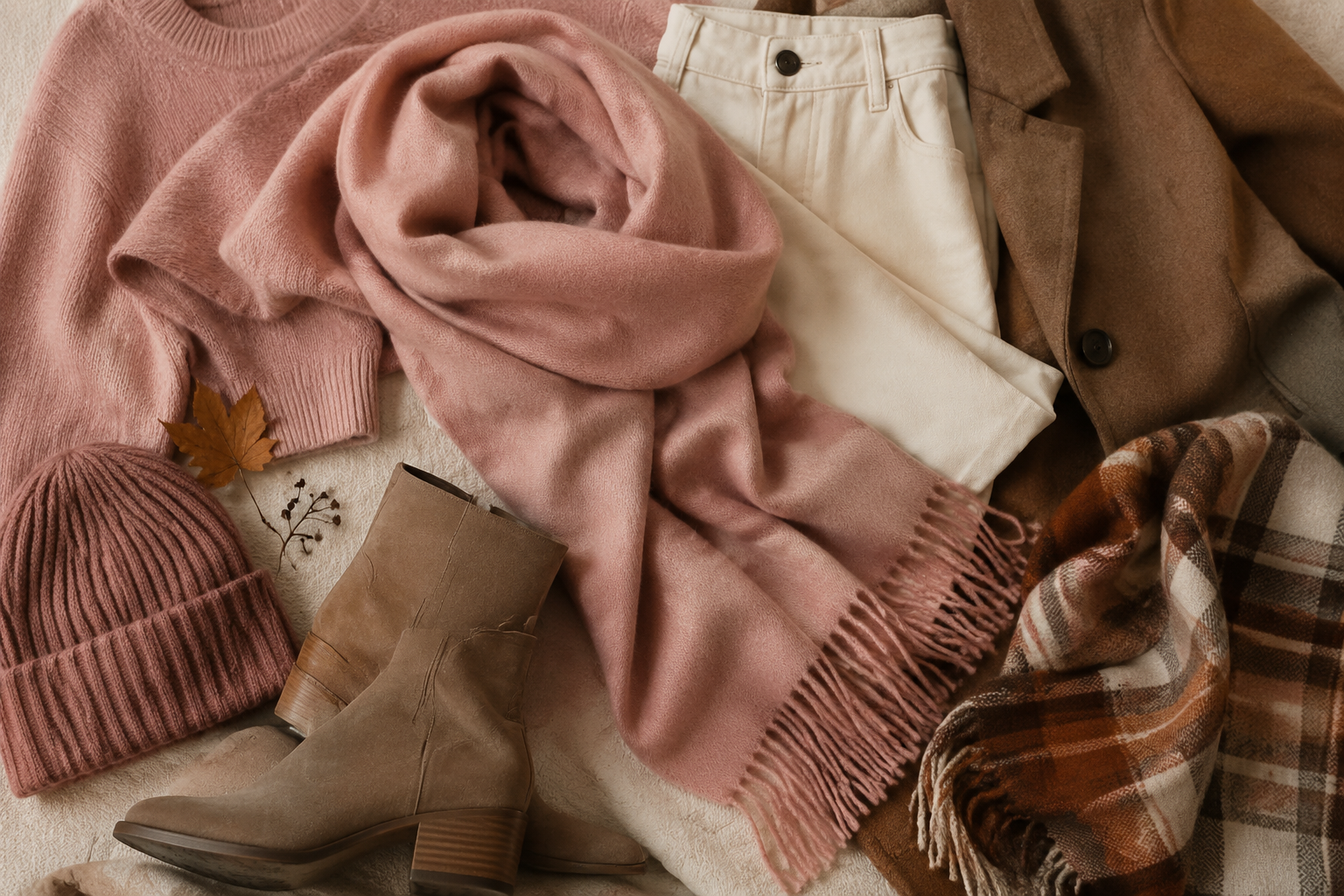
Color is where most closet edits fail because people edit for variety instead of cohesion. A closet with 40 colors looks like a rainbow and dresses like a gamble. A closet with a narrow palette, even a palette of only 8 to 10 colors, looks intentional and makes every combination work.
The edit starts with the colors that actually appear in the wearer's life. Skin tone matters. Hair color matters. The colors that get compliments matter. Everything else, the impulse buys, the sale rack reds, the gift-giver's choices, gets pulled and set aside. This is not about banning color. It is about limiting the range so the colors that remain can actually do their job.
A useful trick is to lay out everything on the bed and photograph it. The camera flattens the scene and reveals the color story in a way the eye misses. Most people look at that photo and see the problem immediately: too many conflicting hues, no dominant neutrals, one loud piece that matches nothing. The photo is the edit's best tool because it removes the emotional weight of each garment and shows only the visual result.
The Wear Count Question
Every garment in the closet should have a clear answer to one question: when was the last time this got worn, and what would make a person reach for it again? Clothes that have not seen daylight in two years are not being saved for a special occasion. They are being saved from a decision.
The two-year rule works well. Anything unworn in two years gets pulled. Then the pulled pile gets divided into three groups: items that need repair, items that need a different styling approach, and items that need to leave. The repair pile is small and gets fixed immediately or not at all. The restyling pile gets one honest attempt: pair it with three different existing pieces and see if any combination works. The leave pile gets packed for donation or consignment.
Seasonal rotation complicates the two-year rule. A heavy wool coat unworn in summer is not a failure. The rule should apply to the current season only. When the season changes, the rotation happens, and the rule applies to the items coming out of storage. This keeps the closet honest without punishing seasonal wear.
Rehanging Everything with a System
Once the keep pile is established, the hangers become the final tool. Matching hangers, all wood or all velvet, create a visual calm that makes the clothes look better by association. The hanger direction matters too. All hooks face the same way, all clothes face the same way, and the rail reads as a collection rather than a jumble.
The backwards hanger trick works as a maintenance system. Hang everything with the hook facing out. When a garment gets worn, rehang it with the hook facing in. At the end of the season, any hanger still facing out has not been touched. That is the evidence for the next edit. The system runs itself for months and produces a data-driven cull list without any agonizing.
Folding matters as much as hanging. Sweaters and knits should fold, never hang, because hangers stretch the shoulders. Jeans can fold or hang. Delicates belong in drawers. The rule is simple: anything that stretches goes on a shelf, anything that wrinkles goes on a rail, and everything has a designated spot so the return trip after wearing takes five seconds instead of five minutes.
The Repurpose Pile, Not a Donation Pile
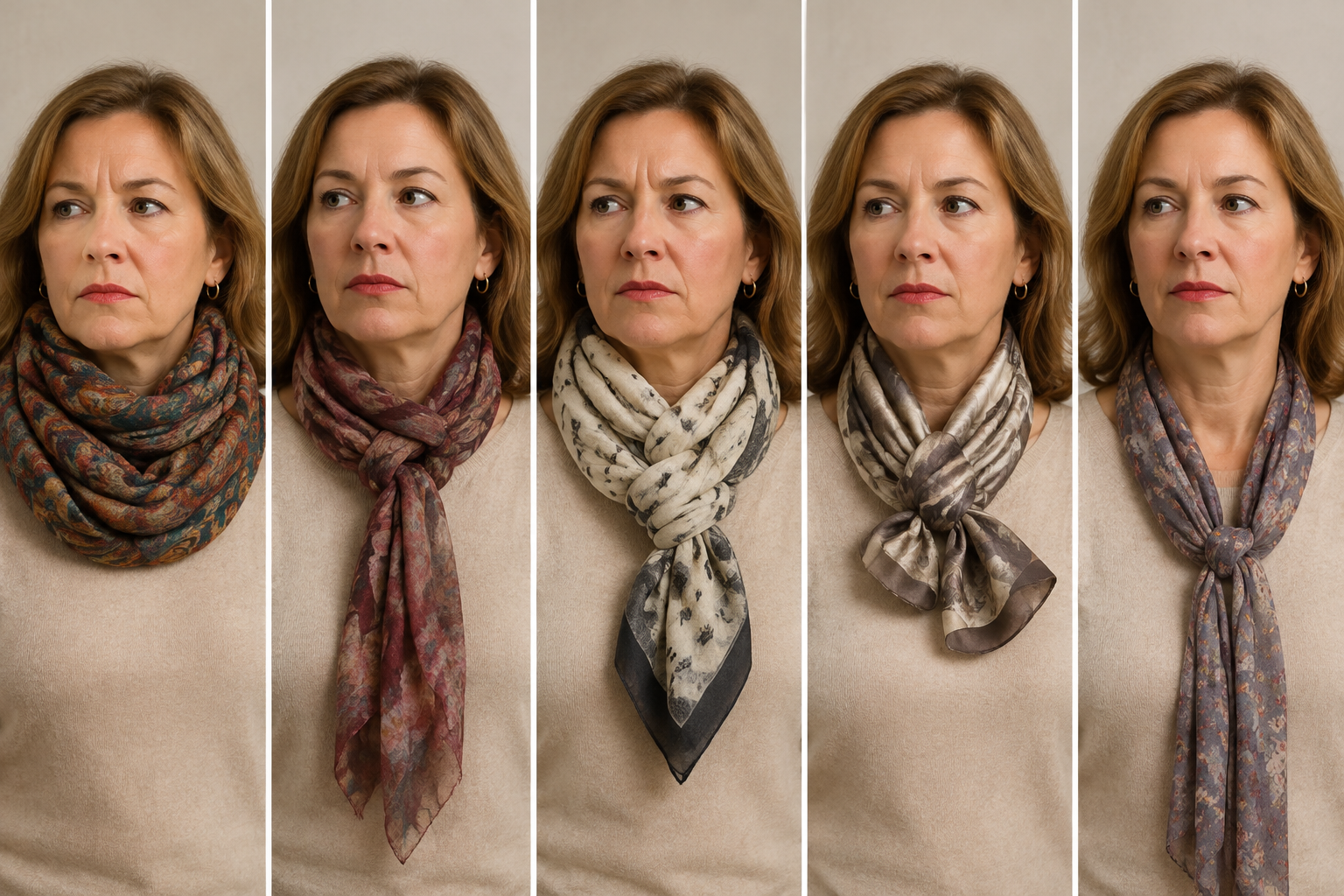
Most closet edits end with a donation bag, and that is fine, but the no-buy constraint opens another possibility. Some garments can be repurposed without being repurchased. A worn-out linen shirt becomes a cleaning rag. A silk scarf becomes a bag strap wrap or a belt. A sweater with a hole becomes a pillow cover or a winter hat. The repurpose pile keeps the material in circulation and honors the original purchase, which is a real psychological benefit for people who struggle to let go.
The line between repurposing and hoarding is sharp. One garment repurposed into something useful is a win. Twenty garments saved because they might become something someday is a hoard. The repurpose pile needs a time limit and a project plan. If the scarf does not become a bag strap within a month, it goes to donation.
The donation itself is part of the edit. Clothes that leave should leave clean, folded, and in good condition. A bag of stained, torn, or threadbare items is not a donation. It is trash with a guilt trip attached. The honest edit separates the two and disposes of each properly.
The Maintenance Loop
An edited closet is not a one-time achievement. It is a maintenance loop with a rhythm. The backwards hanger trick runs continuously. The two-year rule runs seasonally. The fit test runs whenever the body changes. None of these require new purchases. All of them require a small, consistent investment of attention.
The final step of the edit is the commitment to re-edit. Mark a calendar date for the next cull, three months or six months out. When that date arrives, run the same process: empty the closet, sort by motion, test the fit, check the fabric, review the color story, apply the wear count, rehang with the system. The second edit goes faster than the first because the first one removed the bulk of the noise.
What remains after a real edit is a closet that functions like a well-designed tool. Every rail and shelf holds something that fits, flatters, and gets worn. The morning routine shortens. The dressing stress drops. The clothes that stay earn their space every single day, and that is the only standard that matters.