The standard advice for a four-season city trip is to build a capsule wardrobe around a single color palette, buy a bunch of merino wool, and roll everything into compression cubes. That advice is fine for people who own merino wool and compression cubes. For everyone else, the real starting point is a hard rule about the bag itself: if it weighs more than 12 pounds empty, it is too heavy, and if it has wheels, it is the wrong bag. A wheeled suitcase on cobblestones, on a metro escalator that is out of order, on a wet sidewalk in March, becomes a burden that dictates where you walk and how fast. A backpack does not solve every problem, but it keeps both hands free for a map, a coffee, or a railing, and it forces a discipline that a suitcase never will.
The 12-pound rule eliminates most backpacks sold as travel gear, which are overbuilt with frames, straps, and laptop compartments designed for a 40-pound load that you will never carry. A pack that weighs 2.5 to 3.5 pounds empty is the target. Anything lighter tends to be a daypack that will not hold four days of clothes plus a camera plus a rain shell. Anything heavier is a hiking pack with a suspension system that is overkill for walking from a train station to a hotel. The specific model matters less than the arithmetic: a 3-pound bag, 15 pounds of contents, and you are carrying 18 pounds. That is manageable for a mile of walking. A 7-pound bag with 20 pounds of contents is not.
The contents that follow assume a trip of four to six days, one city, one base, no camping, no business meetings, and a traveler who does not want to look like they are wearing a costume of their own vacation. The system is built on three layers of outerwear, two pairs of shoes, and the willingness to wash one thing in a sink.
The Shoes, Not the Clothes, Are the Anchor
Every packing list starts with shoes because every packing mistake starts with shoes. One pair on your feet, one pair in the bag. The pair on your feet should be the heavier, sturdier option, because they are doing the walking. The pair in the bag is the backup, and it should be genuinely flat and genuinely packable. Not a second pair of sneakers. Not boots. A pair of leather loafers or canvas slip-ons that can be crushed into the bottom of the pack without damage. The total footwear allowance is exactly two pairs, and this is non-negotiable, because a third pair means a larger bag, which starts the whole spiral.
For a four-season city, the walking shoe needs to handle rain, snow slush, and 10 miles of pavement in a day. A waterproof leather boot with a real sole is the answer. Not a fashion boot with a smooth sole, not a suede boot that will stain in the first puddle. A rubber-soled leather Chelsea boot or a low hiking shoe in dark leather works. The color should be dark enough that a splash of mud does not announce itself. The break-in needs to happen before the trip, not during it. Blisters are the single fastest way to ruin a city visit, and a new pair of shoes on day one is a gamble with poor odds.
The second pair, the packable one, exists for three situations: a nicer dinner, a museum day where boots feel like overkill, and the evening when the boots are wet and need to dry. That last one matters more than people expect. Wet boots left in a hotel room overnight will not dry by morning unless they are stuffed with newspaper and placed near a heat source. Even then, a full dry takes 24 hours. The packable pair gives the boots a day off.
Three Outerwear Pieces That Stack
The outerwear system is the entire trick to four-season packing, because it is the only way to handle a 30-degree temperature swing without carrying a separate wardrobe for each weather condition. The system is three pieces: a rain shell, an insulating midlayer, and a warm coat. These three must stack together, meaning the midlayer fits under the shell, and the shell fits over the midlayer, and the warm coat fits over both or replaces both depending on conditions.
The rain shell is the piece people skip, and it is the piece that saves the trip. A good shell is a thin waterproof jacket with a hood, weighing less than a pound, that packs into its own pocket. It is not insulated. It does not have a fleece lining. It is a membrane with zippers. In a spring shower, it goes over a sweater. In a cold wind, it goes over the midlayer. In a snowstorm, it goes over everything, sealing out the wet while the layers below provide warmth. A shell with pit zips is worth the extra weight, because the moment you walk into a heated museum or metro station, the shell comes off or you sweat through the base layer.
The midlayer is where most people overpack. A wool sweater or a fleece jacket, not both. Choose the one that matches the trip. Fleece is warmer for its weight, dries faster, and packs smaller. Wool looks better at dinner and resists odor over multiple days. If the trip includes one nice meal, wool wins. If the trip is mostly walking and sightseeing, fleece wins. The midlayer is worn on the plane or train, or hung over the pack strap. It is never rolled into the bottom of the bag, because it is the piece most likely to be used in both directions of the trip.
The warm coat is the heavy piece, and it should be the first thing packed and the first thing worn. A down or synthetic puffer jacket that compresses into a small stuff sack is the right choice. It needs to be warm enough for the coldest forecast, not the coldest possible forecast, and not the average. Check the actual weather for the dates of the trip, not the climate averages for the city, and pack accordingly. A puffer that handles 20 degrees Fahrenheit is enough for most city trips in winter. For a trip to Reykjavik in January, bring a heavier parka and skip the shell entirely, because the shell will not be used.
The stacking test is simple. Try on the fleece under the shell, then the puffer over the shell, then all three together. If the puffer cannot comfortably fit over the shell, the system fails for the coldest days. If the shell is too tight over the fleece, it fails for the wet windy days. The fit check takes five minutes at home and saves a miserable cold walk in a foreign city.
The Core Wardrobe That Does the Work
Below the outerwear, the base wardrobe is six pieces: two pairs of pants, three tops, and one extra layer that doubles as a sleeping shirt or a backup. One pair of pants is the travel pant, a dark, quick-drying fabric that hides stains and does not wrinkle. The other pair is the nice pair, jeans or chinos in a dark wash, for dinners and museums. Both pants should be comfortable for sitting on a train and walking for hours. Neither pair should be white, khaki, or any light color that shows dirt within the first hour of a city day.
The three tops are a system of their own. One is a button-down shirt, in a fabric that does not wrinkle, for the nicer moments. One is a t-shirt or henley in a dark color, for the walking days. One is a long-sleeve thermal or thin knit, for the cold days. These three tops, plus the outerwear system, give roughly 12 distinct outfit combinations across four days. The math works because the outerwear is the visible layer, and the tops rotate underneath.
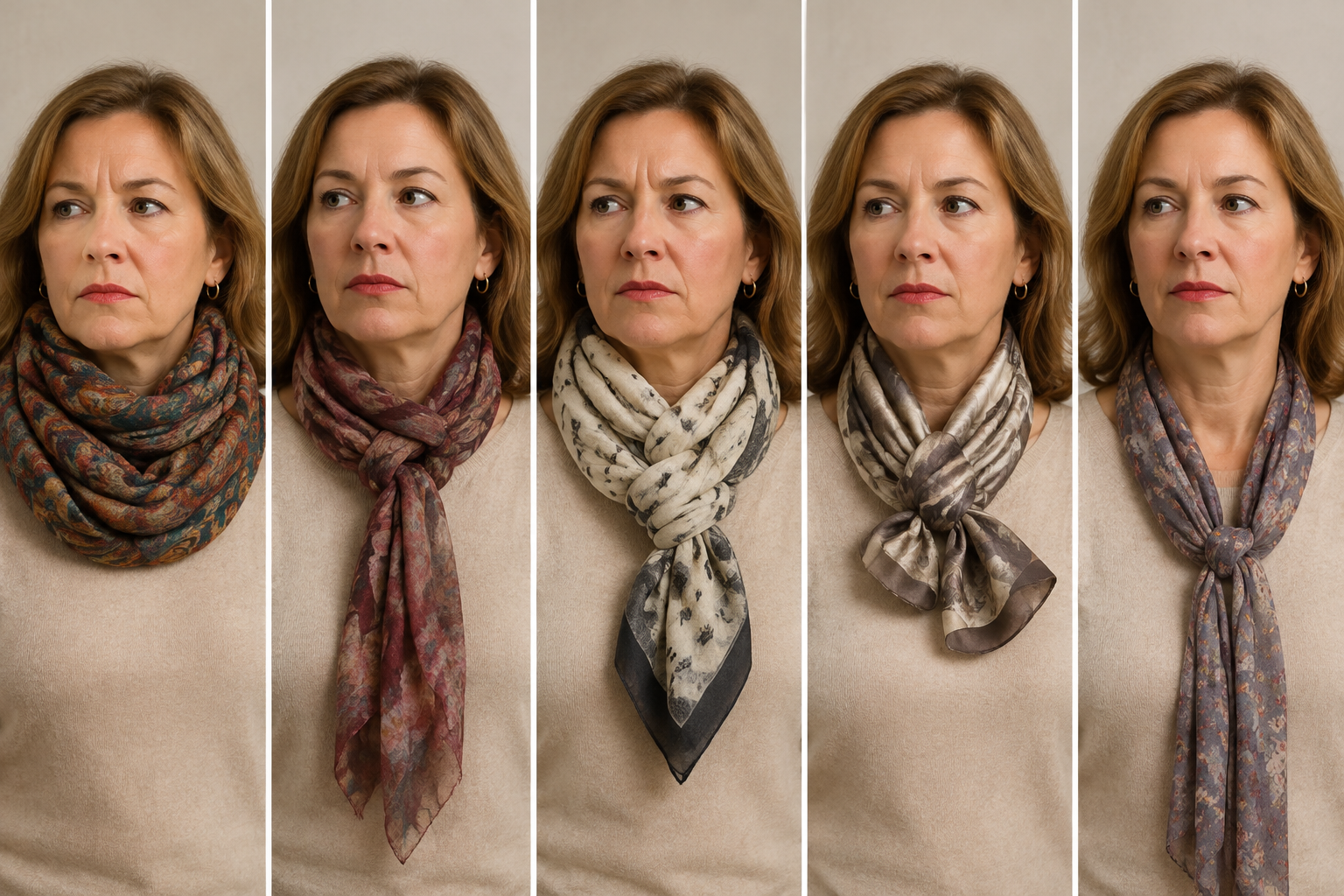
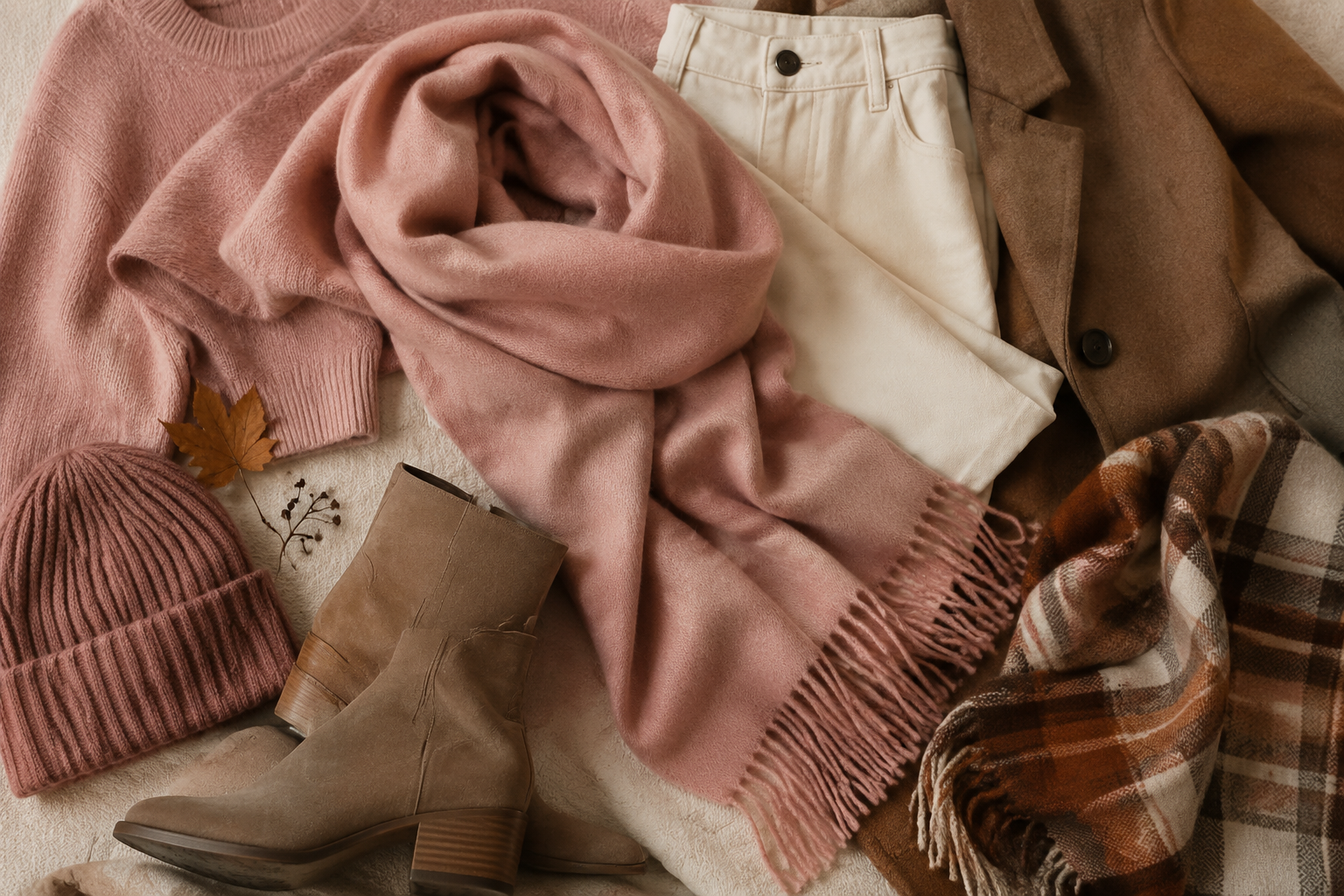
The sixth piece is the wildcard: a light scarf or bandana that takes up almost no space and solves a dozen problems. It is a neck warmer on a cold windy day, a pillow on the train, a sweat rag on a hot museum queue, a table wipe at a café, and a last-resort eye mask in a hotel room that does not have blackout curtains. This is not a fashion accessory. It is a utility item that happens to look intentional.
Socks and underwear are the one category where overpacking is correct. Take one pair per day, plus one extra pair of each. Underwear is small. Socks are small. The extra pair of each weighs less than half a pound total and is the difference between a comfortable trip and a trip where you are washing your only pair of socks in a sink and hoping they dry. Socks should be wool or a wool blend, not cotton, because cotton socks that get wet are a blister factory. The toe seam matters. A bad seam in a sock will ruin a day that would otherwise be perfect.
The Carry-On Kit That Stays on You
The daypack rule is separate from the main bag. A small crossbody bag or a packable daypack that folds into its own pocket is the third piece of luggage, and it is the piece that gets used every single day of the trip. The main backpack stays at the hotel. The daypack carries the phone, the wallet, the passport, a water bottle, a scarf, and any purchases made during the day. It must be small enough to not be a burden and secure enough to deter a pickpocket. A crossbody bag worn in front in a crowded metro is the right answer. A backpack worn on one shoulder in a crowd is how things get taken.
The main backpack, when it is at the hotel, becomes your luggage, and that is its only job. A pack that is comfortable for a 20-minute walk from the train station is a good pack. A pack that is comfortable for a 2-hour walk is a better pack, but it is also a heavier pack, so the tradeoff is real. The sweet spot is a pack with a simple back panel, no frame, and a hip belt that is optional or removable. The hip belt is for the 20-minute walk with the full load. Once the bag is at the hotel, the belt gets tucked away, and the bag becomes a daypack for a short outing if the crossbody is not enough.
The toiletries kit is where most people blow the weight budget. Solid shampoo, solid soap, and a solid sunscreen are the three items that convert a liquid-heavy kit into a dry, weightless kit. A bar of shampoo lasts a month and weighs 2 ounces. A bottle of liquid shampoo weighs 8 ounces and gets confiscated at security or leaks in the bag. The same logic applies to toothpaste, which comes in tablets, and deodorant, which comes in a solid stick. The only liquid that is worth carrying is a contact lens solution, and that can be bought at the destination. Everything else can be solid or purchased locally.
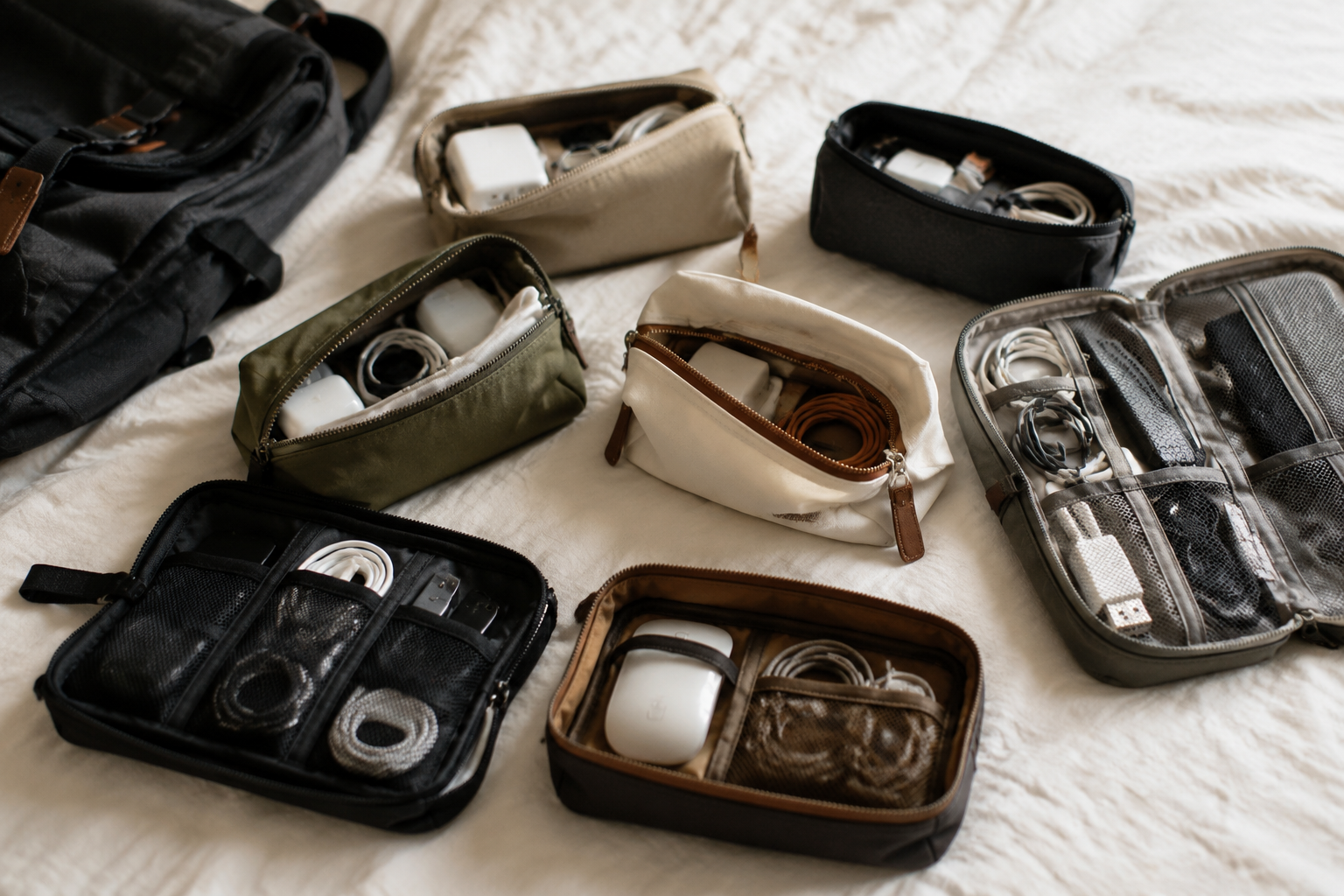
The electronics kit is brutally simple: one phone, one charging cable, one wall adapter, and one pair of earbuds. No laptop. No tablet. No camera unless the camera is a genuine hobby and not a vague intention to take better photos. A laptop adds 4 pounds and a layer of anxiety about theft. It changes the bag from a personal item to a liability. If the trip is for work, take the laptop, but then the whole packing system shifts, because the laptop is the first thing packed and everything else fits around it. For a personal trip, the phone is the camera, the map, the ticket, the restaurant guide, and the entertainment. It is the only piece of electronics that matters.
The Rolling and Folding Dispute, Settled
The rolling versus folding debate produces more words than the difference deserves. The answer is both, in a specific pattern. Roll the t-shirts and the thermal, because they are forgiving and fit into gaps. Fold the button-down shirt and the pants, because they wrinkle less when folded, and put a dry cleaning bag or a plastic bag between the folds to reduce creasing. The key is not the method. The key is that everything must be visible when the bag opens. A bag where items are buried in layers is a bag where you unpack everything to find one sock. Pack in a single layer, or use one small packing cube for underwear and socks and nothing else. The cube is not for organization. It is for speed, so you can grab the entire cube, unzip it, and find the socks without touching a shirt.
A small stuff sack for dirty laundry is non-negotiable. A pillowcase or a produce bag works. On day three, the dirty clothes accumulate, and if they mingle with the clean clothes, the clean clothes smell like the dirty clothes, and the whole system collapses into a bag of laundry. The dirty bag sits at the bottom of the main pack, or in the daypack for the walk to the laundromat. It is the least glamorous piece of the system and the one that saves the most grief.
The One-Item Test at the Hotel Room
When the bag is unpacked at the hotel, the test is to look at the pile of items and ask whether every single piece has a specific job that it will perform within the next 48 hours. A shirt that is only there as an option for a dinner that may not happen fails the test. A second pair of jeans that is there because the first pair might get wet fails the test, because the backup pants are the packable shoes, not a second pair of jeans. A book that weighs a pound fails the test, because the phone has reading material. The test is harsh, and it is meant to be. If the pile passes, the bag was packed right. If the pile has three items that are just possibilities, the bag is too heavy, and the trip will feel it.
The final piece of the system is the empty 4-ounce stuff sack that goes into the main pack, empty, on day one. It is the one item that is not useful at the start of the trip. Its job is on the return journey, when it holds the puffer jacket, which has been worn every day and is now too bulky to repack flat. The stuff sack compresses the puffer to a third of its volume, and that space becomes the gap where the gifts and souvenirs go. A good packing system plans for the return trip as carefully as the departure, because that is where the bag gets heavier and the discipline breaks. The stuff sack is the cheap insurance that the trip home is as easy as the trip out.