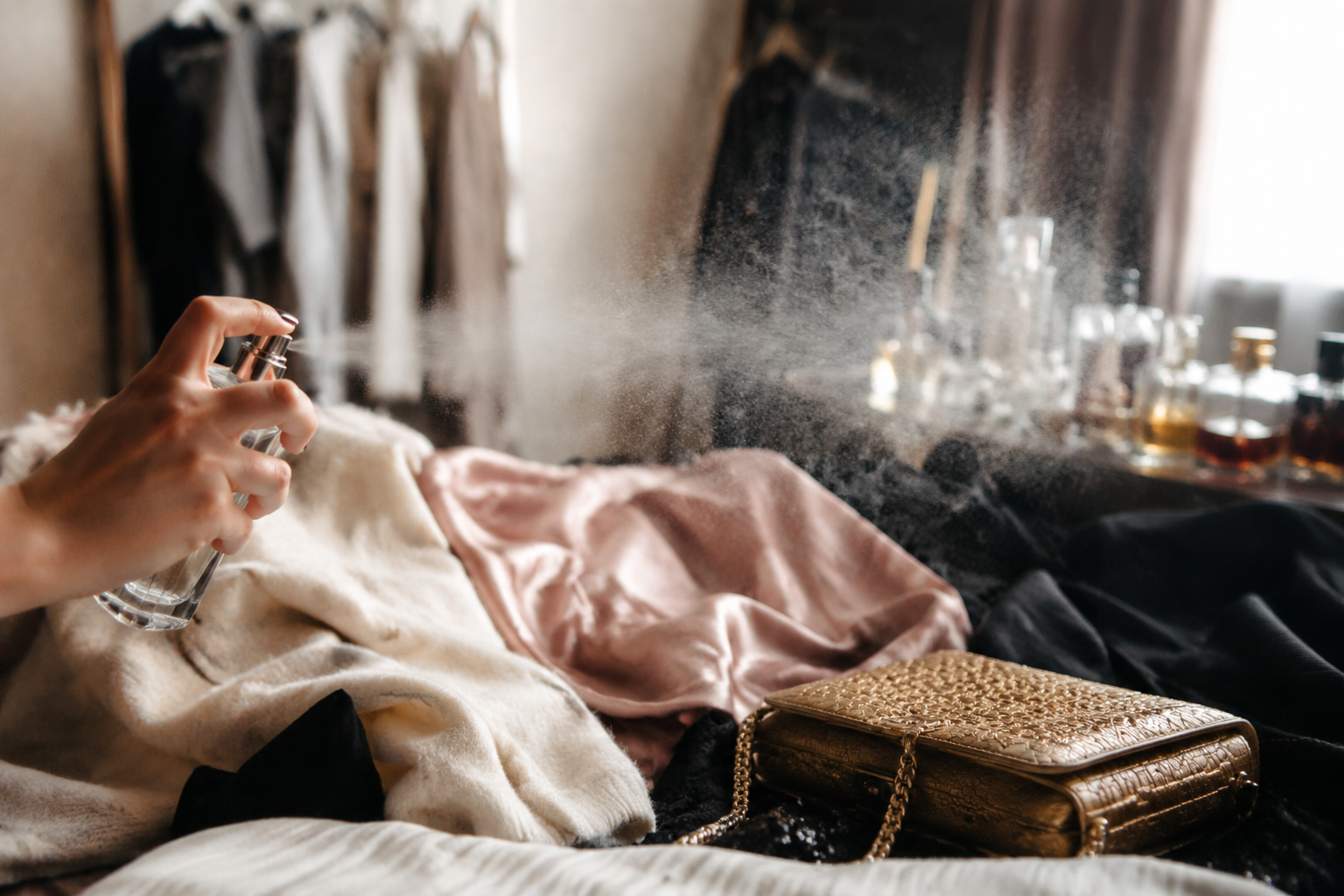
Photoshoot prep is a discipline with a specific enemy: the gap between how a person looks in a mirror and how the same person looks in a photograph. Mirrors lie in one direction, cameras in another. A mirror shows a face in motion, lit from the front, interpreted by the brain as a living image. A camera freezes a fraction of a second, flattens the face into a plane, and records every texture the mirror softened. The entire preparation ritual, for skin and for style, is an attempt to close that gap.
The first mistake people make is treating a shoot like a big event. They book a facial for the day before, get a new haircut, buy a new shirt with a stiff collar. This is exactly backwards. A shoot is not the occasion to introduce anything new. The skin needs time to reject a product before the camera rolls, and a garment needs to be worn once before it drapes correctly. The best preparation is a week of absolute boredom in the routine.
The Skin Is a Canvas, Not a Project
Consider the skin first, because it is the foundation. A photographer will tell anyone who listens that a good base is a matter of anatomy and light, not of expensive creams. The skin's surface texture, the fine hairs, the tiny patches of dryness, these are what the camera sees. The goal is not a flawless face. The goal is a predictable face, one that behaves under the lights the way it behaves in the morning light of a bathroom.
For the week leading up to the shoot, the routine should be stripped to the basics. A gentle cleanser, a simple moisturizer, and nothing else. No retinol, no chemical exfoliants, no new serums. The temptation to try a "glow" product is strong, but the risk outweighs the reward. A product that causes a reaction, even a mild one, will show up as redness or flakiness that the makeup artist will have to fight. The skin needs to be in its most boring, stable state.
Hydration is the one thing that actually moves the needle. Not the kind from a glass of water the morning of, but the sustained kind from the week before. A person who drinks water consistently has skin that reflects light differently. It is a subtle shift, but a camera records subtle shifts. Dry skin absorbs light and looks sallow. Hydrated skin bounces light back and looks alive.
On the day itself, the skin should be clean and moisturized, but not shiny. A slick face under studio lights creates hot spots that are difficult to correct in editing. The makeup artist needs a surface that takes product evenly. If the skin is too oily, it slides; if it is too dry, it grabs. The ideal is a neutral middle ground, which means doing the morning routine and then leaving the face alone for an hour before anyone touches it.
The Wardrobe Needs a Dry Run
The clothing question gets more attention than it deserves, and most of that attention goes to the wrong details. People worry about color and fit, which matter, but they ignore the more practical issue of how a garment behaves in a static pose. A shirt that looks great when a person moves around, adjusts their collar, and gestures will look entirely different when the arms are at the sides and the chin is slightly tucked.
Every piece of clothing that might be worn needs a dry run. This means putting on the full outfit, sitting in a chair, standing against a wall, and checking the wrinkles that form at the elbows and the waistband. Clothes wrinkle in specific ways when a person is still. The creases from sitting in a car for twenty minutes will be visible in a portrait. The fix is to steam the garment the night before and then hang it somewhere it can settle, not to attempt last-minute ironing in the studio parking lot.
The collar deserves special attention. A collared shirt needs to sit flat against the neck, and it rarely does right out of the package. The collar stand, the little strip of fabric that holds the collar up, needs to be pressed and shaped so it follows the curve of the neck. A collar that flares out at the back or bunches at the front will create a shadow that makes the jaw look undefined. This is a small detail, but photographs are entirely composed of small details.
Another practical concern is the pocket. A shirt with a chest pocket reads differently in a photo than in person. The pocket creates a slight shadow and a horizontal line that draws the eye. For a headshot, a plain front is almost always better. If the outfit includes a jacket, the pockets should be empty. A phone or a wallet in a jacket pocket distorts the line of the lapel and creates a bulge that is impossible to airbrush without making the fabric look warped.
Colors That Flatter the Lights, Not the Mirror
Color choices are where people make their most visible errors. A color that looks good in a dressing room mirror under fluorescent lights can look washed out or garish under studio lighting. The rule is to avoid pure white and pure black. Pure white blows out, losing all texture and making the face look darker by comparison. Pure black absorbs the light, creating a void that swallows the shoulders and makes the head float.
The safe zone is in the middle. Deep blues, forest greens, muted burgundies, and warm grays all photograph well because they provide contrast without competing with the face. A person with warm undertones in the skin looks better in earthy tones. A person with cooler undertones looks better in jewel tones. This is not a hard rule, but it is a reliable starting point.
Texture matters as much as color. A fine knit sweater or a soft cotton shirt photographs better than a shiny synthetic fabric. Shiny fabrics create specular highlights, which are the bright spots that wash out detail. A matte fabric holds the light evenly and shows the shape of the garment. The exception is a subtle texture, like a herringbone or a twill, which adds depth to the image without distracting.
Avoid patterns that are too busy. A small check or a fine stripe works because it reads as texture from a distance. A large geometric print reads as noise and draws the eye away from the face. The viewer's eye should land on the subject's eyes, not on a pattern that covers the chest. If there is any doubt, plain fabric wins.
Hands, Neck, and the Forgotten Details
The skin on the hands and the neck ages faster than the face and receives far less preparation. A portrait often includes the neck, and the neck shows every sign of neglect. The skin there is thinner and loses elasticity sooner. A simple moisturizer applied to the neck and chest in the week before the shoot keeps that area from looking dry and crepey. The chest, especially for a woman in a V-neck, needs the same attention as the face.
Hands are a different problem. They are often included in a portrait, resting on a knee or folded in a lap. The skin on the hands shows age and dryness immediately. A hand cream applied every night for a week makes a visible difference. The nails should be clean and filed, with no chipped polish. If the shoot is for a professional headshot, the safest choice is a clear or neutral polish that does not distract.
The lips are another area that gets overlooked. Dry, flaky lips are a common problem in photographs because the camera catches every rough patch. A lip balm applied nightly and in the morning before the shoot is essential. The makeup artist will add color if needed, but they cannot work with a cracked surface. The lips should be smooth and neutral.
Eyebrows deserve a mention. They frame the eyes and define the expression. They should be tidied, but not reshaped, in the week before the shoot. A person should never get a wax or a thread the day before, because the redness and irritation will show up. The same rule applies to any facial hair. A fresh shave is fine, but a shave that is two hours old will have a slight razor burn that the camera picks up.
The Hours Immediately Before
The two hours before the shoot are a buffer zone. This is not the time to run errands, take a long phone call, or eat a heavy meal. The body's state shows up in the face. A rushed person has a tight jaw and shallow breathing, both of which photograph as tension. The plan should be to arrive at the studio early, sit quietly for a few minutes, and let the shoulders drop.
Food matters more than most people think. A heavy meal causes a slight flush and makes the eyes look puffy. A light meal, eaten an hour before, keeps the blood sugar stable without creating a food coma. Caffeine is a double-edged sword. A small amount sharpens the eyes, but too much causes jittery movements and a racing pulse. The goal is to feel alert and calm, not wired.
Water should be sipped, not chugged. Drinking a liter of water right before the shoot will just cause a trip to the bathroom and a slightly puffy face. Sips throughout the hour before are fine. The hydration work was done in the previous days. The day of the shoot is just maintenance.
The outfit should be put on in a specific order. The base layer first, then the outer layer, then the shoes. The shoes matter even if they are not in the frame because they affect posture. A person standing in comfortable shoes with good support stands taller than a person in new, stiff shoes. The posture shift is visible in the shoulders and the neck.
The Mirror Is the Final Liar
One last check in the mirror before walking into the studio, but with a critical eye. The mirror shows a reverse image, and a face is not symmetrical. The part in the hair, the collar placement, the way a jacket sits, all of these will look slightly different in the photo than in the mirror. The fix is to trust the photographer's direction. The photographer sees what the camera sees, and that is the only version that matters.
The preparation ends when the shutter starts. At that point, the skin has been cared for, the outfit has been tested, and the details have been checked. The remaining variable is the expression. A person who feels prepared looks prepared. The confidence from having done the work reads on the face. The alternative, showing up with a new shirt and a fresh facial, is a roll of the dice. The camera catches what the mirror hides, and the only way to win is to have done the quiet, boring work in advance.