Rain changes the shape of clothes before it changes the mood of a day. A trench collar lifts, a nylon hood sits away from the face, trousers darken at the hem, and every practical choice seems to add another inch of padding. The common result is a person who left home dressed for weather and arrived looking as if the whole closet came along for backup.
The better rain outfit starts with restraint. Bulk usually comes from anxious layering: a thick sweater under a stiff raincoat, a long scarf trapped under a hood, wide jeans stuffed into boots, a tote wedged under one arm because the coat has no usable pocket. None of those pieces is wrong by itself. Together, they create the rounded, swaddled look that makes rain dressing feel like a compromise.
Rain-ready style works best when each layer has a clear job. One layer handles warmth. One blocks water. One carries the small things that should stay dry. Once a piece stops doing useful work, it starts becoming volume.
Choose a Shell That Skims Instead of Swallows
The raincoat is where most outfits either sharpen or collapse. A coat with a little structure at the shoulder, a clean line through the body, and enough room for a knit underneath will almost always look better than a puffy, oversized shell bought in panic. The goal is space for movement, not a tent.
A straight waterproof trench, a rubberized cotton mac, or a lightweight technical parka can all work. The useful detail is the cut. Raglan sleeves soften the shoulder and make a coat easy over tailoring or a sweatshirt, while set-in sleeves tend to look neater with office clothes. A drawcord at the waist can be helpful, especially on a longer coat, but it should pull in gently. Cinched too tightly, the fabric balloons above and below the cord, which brings the bulk right back.
Length matters more than many shoppers admit. A jacket that ends at the widest part of the hip can make every layer underneath look crowded. A coat that reaches mid-thigh covers more of the body and lets the line fall cleanly. For heavy rain, knee length is often the most elegant practical choice, especially with slim trousers or a skirt underneath. It protects the outfit without asking for rain pants, a phrase that rarely leads anywhere stylish outside a hiking trail.
Fabric should have enough weight to hang well. Very thin rain shells can crinkle and cling, especially over textured knits. Heavy waxed cloth can be handsome, but on a mild day it may feel like carrying furniture on the shoulders. The middle ground is usually best: water-resistant or waterproof fabric with a smooth face, a lining that slides over clothes, and seams that do not pucker when zipped.
Let the Warm Layer Be Thin and Deliberate
Warmth under rainwear is tricky because waterproof outer layers trap heat. A chunky wool sweater under a sealed coat can feel cozy for the first five minutes and clammy by the time the train arrives. The outfit looks bulky because the body feels trapped, then sleeves get pushed up, the coat hangs open, and the whole arrangement starts to fight itself.
Fine-gauge knits are the quiet heroes here. A merino crewneck, a thin cashmere cardigan, a ribbed cotton turtleneck, or a compact fleece vest can add warmth without building a mound at the chest and arms. The sleeve is the key place to look. If the knit bunches at the elbow under a coat, it will show in the posture. A person keeps tugging, twisting, and smoothing, which reads as discomfort even when the colors are beautiful.
For cold rain, a vest often beats a thick full-sleeve layer. It warms the core and leaves the arms free, so the coat sleeve can stay sleek. A thin quilted liner under a mac can look polished if the neckline stays hidden or intentionally framed. The awkward version is the half-visible padded collar fighting with the raincoat collar, one peeking out like an afterthought.
Base layers deserve more respect in city dressing. A smooth thermal top under a shirt can do more for warmth than another bulky sweater, and no one sees the engineering. This is especially useful for people who commute on foot, step into overheated rooms, and then head back out again. The thinner the hidden layers, the easier it becomes to keep the visible outfit crisp.
Keep the Lower Half Narrow Enough for Weather
Rain exposes every extra inch of fabric near the ground. Wide hems soak first, then swing against the ankle. Long jeans drink up puddle water and turn stiff. Pleated trousers can look wonderful in dry weather, but in a storm they may flare, cling, or crease in all the wrong places.
A rain-ready lower half does not have to mean skinny pants. Straight-leg trousers cropped just above the shoe, tapered wool pants, cigarette jeans, and column skirts all give rain less fabric to grab. The hem should clear the ground with confidence. Even a half inch makes a difference on a wet curb.
Fabric choice is where polish comes from. Dark denim can work if it is not dragging. Technical twill, compact wool, ponte, and coated cotton are often better because they keep their shape. Pale linen in a downpour is a hard sell. So are trousers with a dramatic break over the shoe, unless the plan includes standing still in a doorway until the sky changes its mind.
Skirts and dresses can be easier than pants in rain, provided the length is considered. A knee-length skirt under a mid-thigh coat keeps the silhouette simple. A midi skirt can work with tall boots if the fabric has enough weight to fall straight. The problem comes from light, floaty material under a raincoat, especially when wind is involved. A soaked ruffle has none of the romance promised by the hanger.
Use Boots as a Line, Not a Statement Object
Rain boots are useful, but they can dominate an outfit fast. Tall rubber boots with a thick sole and a wide shaft have a place, particularly in deep puddles or real outdoor work. In ordinary city rain, they often make the outfit look bottom-heavy, especially with a bulky coat.
The sleeker option is usually a waterproof ankle boot with a narrow shaft, a lug sole that does not look like equipment, and a toe shape close to the shoes a person would wear on a dry day. Chelsea boots are popular for a reason: the elastic side keeps the shape clean, the ankle stays close, and the boot slips under straight trousers without drama. Lace-up boots can look sharper, though wet laces are a small nuisance that becomes larger when hands are cold.
Color should connect to the rest of the outfit. Black boots with black trousers lengthen the leg. Brown boots with navy, olive, or charcoal soften the look without turning it rustic. A glossy boot can be chic with a matte coat, but too much shine at the foot draws attention downward. On a wet street, shoes already catch the eye because they are doing the hardest work.
Socks matter because rain has a way of finding small gaps. A thin wool sock is warmer and neater than a thick cotton one that bunches above the boot. If a sock shows, it should look intentional: ribbed charcoal above black boots, deep green with brown leather, navy with cropped denim. A random gym sock flashing at the ankle can undo the cleanest coat.
Make the Bag Part of the Rain Plan
A bulky rain outfit often has a bulky bag attached to it. The coat fits, the trousers are right, the boots are sensible, and then a large open tote gets jammed under the arm to protect a laptop from the drizzle. The silhouette widens, the shoulder rises, and the outfit starts looking more burdened than dressed.
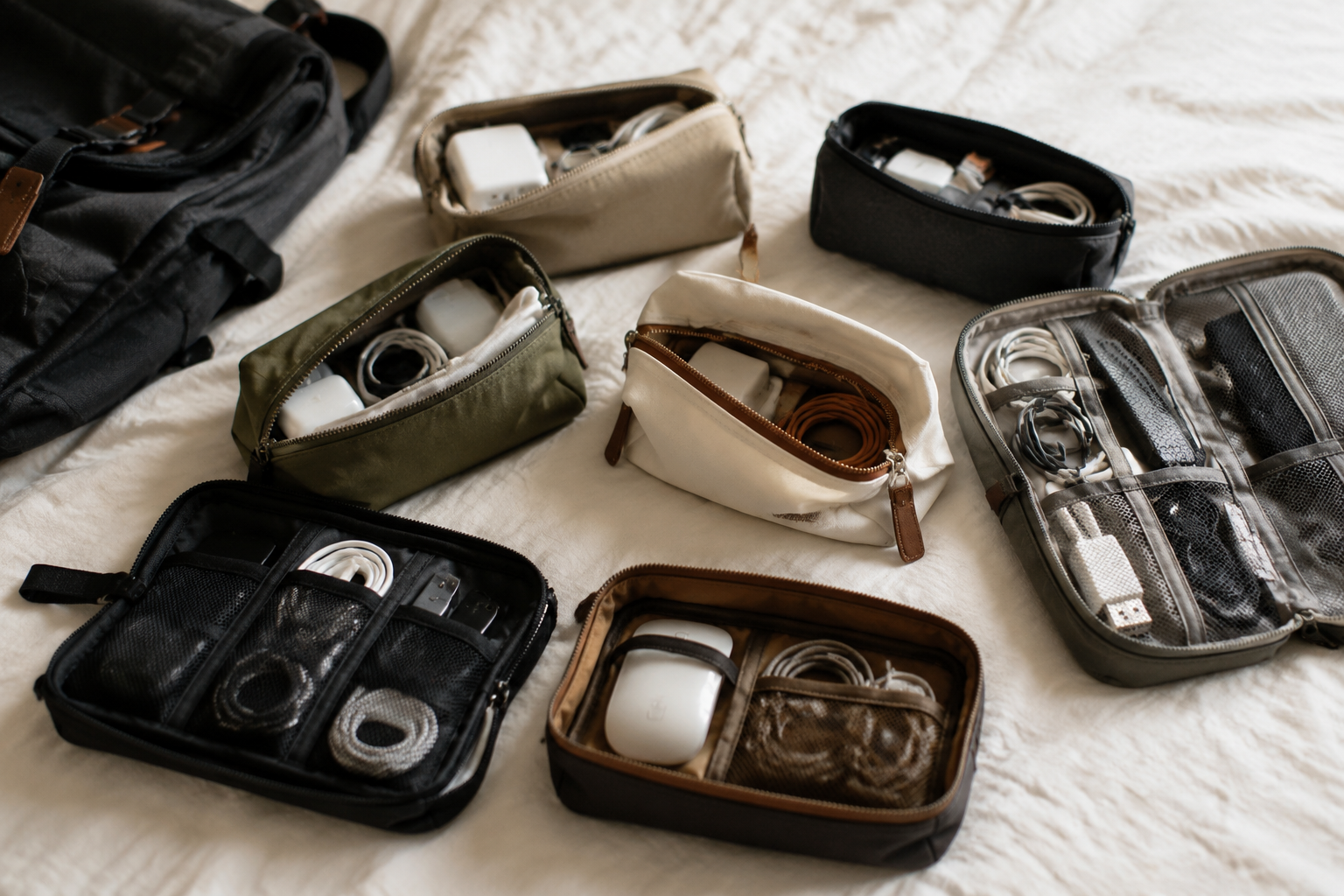
A rain bag should close fully. A zipper, flap, roll top, or covered magnetic closure changes the whole posture of the wearer because the bag no longer needs guarding. Smooth leather can survive light rain if treated well, though heavy rain calls for nylon, coated canvas, rubberized fabric, or another material that does not sulk after getting wet.
Crossbody bags are good in rain because they keep the hands free for an umbrella and sit close to the body. The strap should be adjusted higher than usual when worn over a coat, otherwise the bag bounces at the hip and pulls the coat out of shape. Backpacks can work if they are slim and weather-resistant, but a rounded backpack under a hooded coat creates that familiar commuter turtle shape. A flat profile is kinder to the outfit.
Pockets can replace a bag for short errands. This is where coat design earns its price: deep, covered pockets for keys, phone, gloves, and transit card make a rainy walk look more composed. A coat with decorative shallow pockets forces extra accessories into the picture, and accessories are where bulk multiplies.
Treat the Hood, Hat, and Umbrella as Competing Shapes
The head and neckline are small areas, but they can make a rain outfit look twice as crowded. A hood, scarf, high collar, umbrella, headphones, and loose hair all fighting in the same six inches will defeat an otherwise thoughtful outfit. Rain style depends on editing that zone with unusual discipline.
A hood is best when it has shape. A floppy hood collapses into the eyes and makes the wearer hunch. A hood with a small brim or adjustable drawcord frames the face and stays useful. Detachable hoods often look awkward when they are too small for the coat, so the mirror test matters: the hood should look like part of the garment when it is up, not an emergency attachment snapped on in the hallway.
Umbrellas create their own style problem. A tiny collapsible umbrella is convenient, but it can make the person beneath it curl inward to stay covered. A larger umbrella allows better posture and protects the coat shoulders, which keeps the outfit looking clean longer. The best-looking umbrella is usually simple: black, navy, deep green, clear dome, or a muted check. Loud novelty prints have to be very good to justify the amount of visual space they occupy.
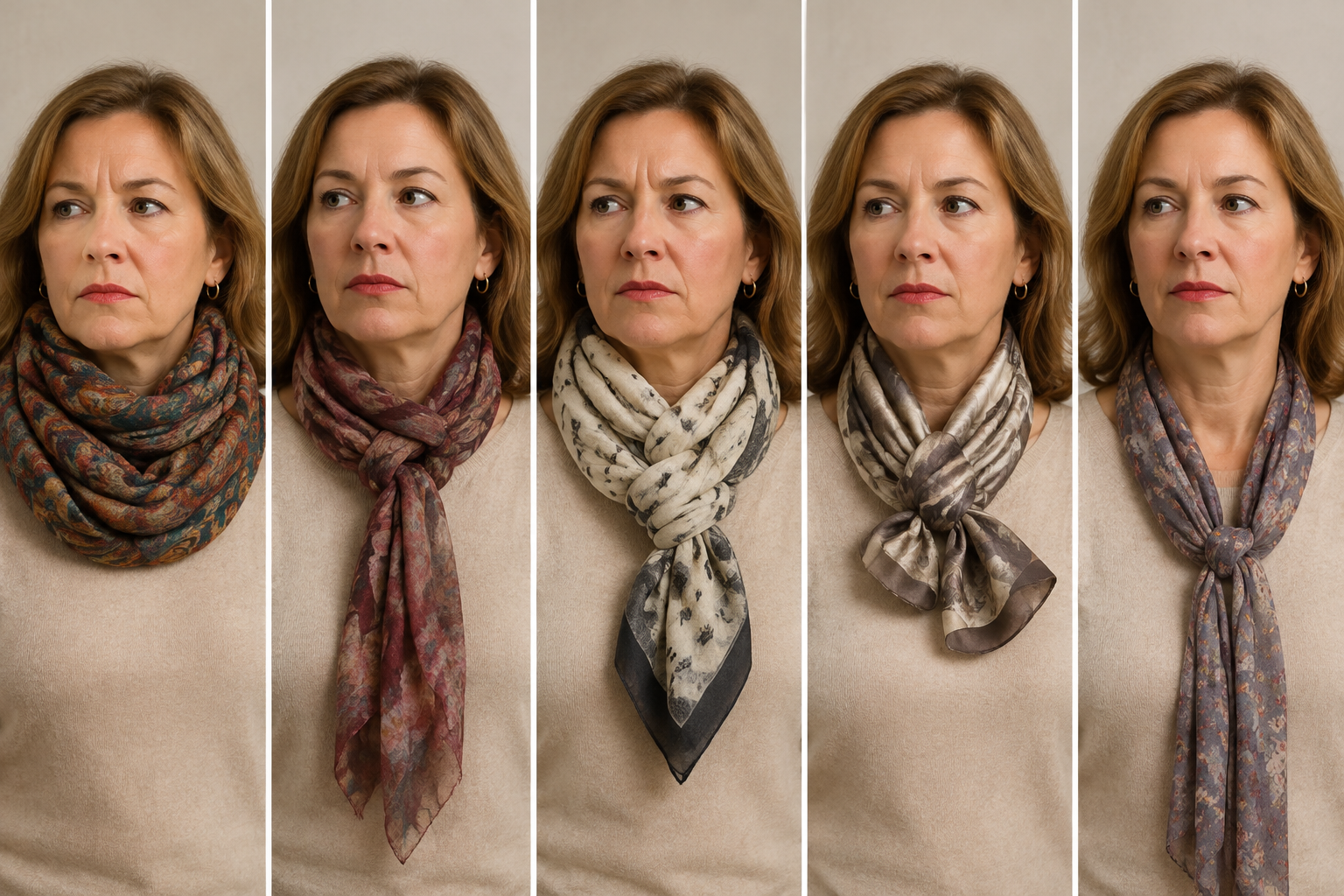
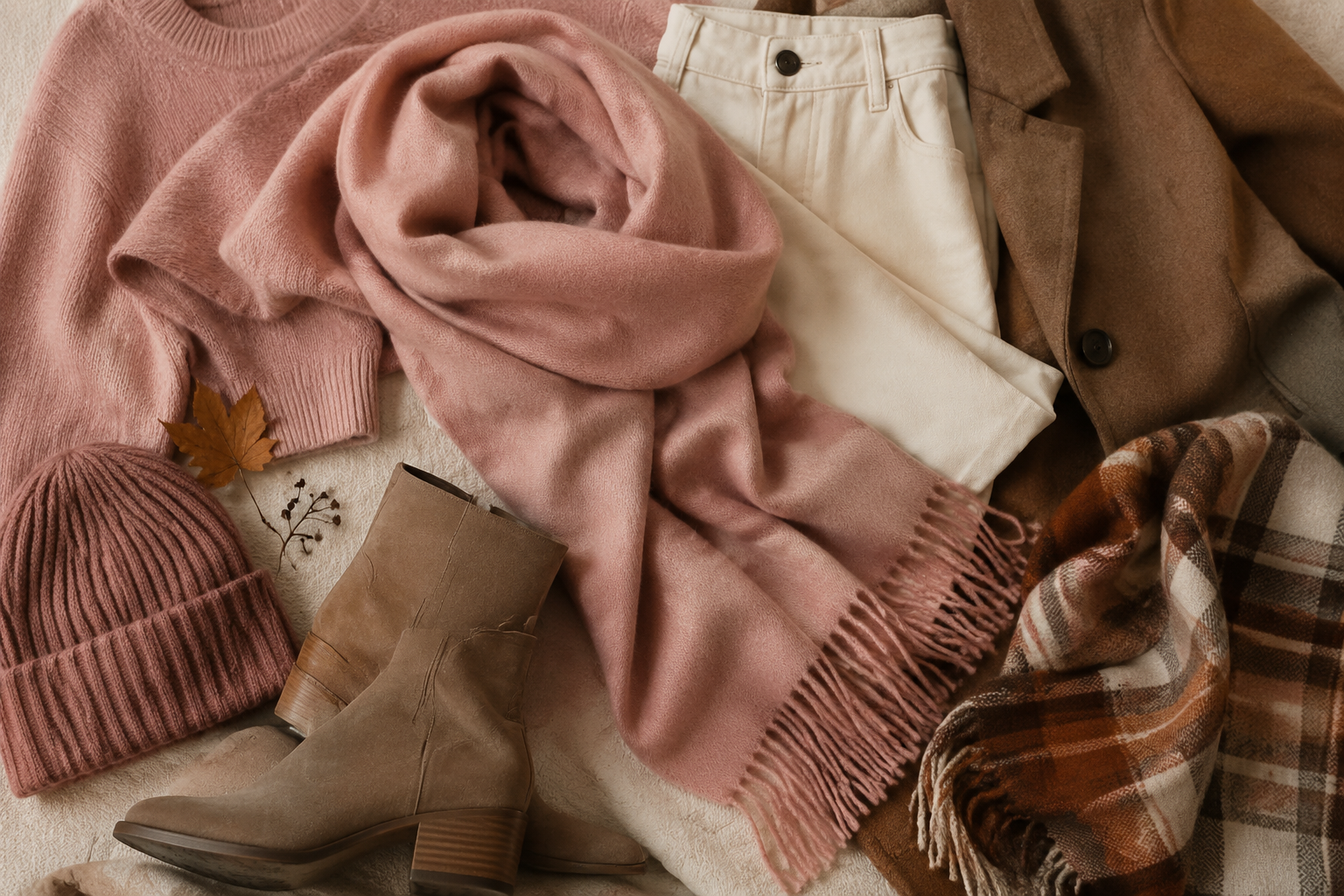
Scarves should be thinner than instinct suggests. A flat wool scarf tucked inside the coat gives warmth without building a bulky ring around the neck. A huge blanket scarf under a rain hood creates volume exactly where rainwear already has hardware, seams, and closures. If the coat has a high collar, a scarf may be unnecessary. Let the collar do its job.
Build Outfits Around One Clean Vertical
The easiest way to make rain layers look lean is to create one uninterrupted vertical line. This can be a dark column underneath the coat: black knit, black trousers, black boots. It can be a tonal run of gray, navy, brown, or olive. It can also come from a long open coat over a simple dress and tall boots. The eye follows the line, and the weather gear becomes part of the outfit rather than a bulky cover thrown over it.
Monochrome is useful here, though full matching can feel severe. Texture keeps it alive. A navy raincoat over a fine navy sweater and dark jeans works better when the surfaces differ slightly: matte shell, soft knit, dense denim. Black on black can look sharp with a ribbed sock, a rubberized boot, and a smooth umbrella handle. Small changes in surface matter more than another color added out of boredom.
For people who dislike dark rain outfits, a light coat can be beautiful if the rest of the outfit stays disciplined. Stone, clay, pale gray, soft yellow, and muted green all have more life than the standard black shell. The trick is avoiding a high-contrast stack of pieces underneath. A cream raincoat over faded blue jeans, white socks, tan boots, and a bright bag can turn choppy quickly. A cream coat over charcoal trousers and brown boots has a calmer line.
Pattern belongs in measured doses. A striped knit under a plain mac, a checked umbrella with a solid coat, or patterned socks between cropped trousers and boots can give the outfit personality. Pattern on the coat, umbrella, bag, and scarf at once starts to read as clutter, and clutter has the same visual effect as bulk.
Plan for Arrival, Not Just the Walk
The most convincing rain outfits survive the moment indoors. A coat that looks dramatic outside but reveals a crushed, overheated mess underneath has solved only half the problem. Offices, restaurants, classrooms, and trains are where bulky rain dressing becomes irritating: wet sleeves, damp hems, a scarf with nowhere to go, gloves shoved into a pocket until the pocket bulges.
Removable pieces should be few and easy to manage. A compact umbrella with a sleeve, gloves that fit into one pocket, and a thin hat that can be folded flat are better than a collection of damp accessories that require a chair of their own. If the outfit includes a blazer, the raincoat needs enough shoulder room for it, but the blazer should be in a fabric that rebounds from pressure. A soft wool blazer usually behaves better than a stiff linen one under a shell.
Hair and makeup, for those who care about either, also influence clothing choices. A high collar may be practical, but it can rub against the jaw or catch loose hair. A hood protects more than an umbrella in sideways rain, but it also flattens volume. These are small, ordinary details, and they matter because discomfort changes posture. A person who feels compressed will look compressed.
A good arrival outfit has a place for every wet thing. The umbrella goes into its sleeve or a stand. The coat hangs from a loop that can actually bear weight. The bag closes before it is set down. The boots do not require a performance at the doorway. By the time the raincoat comes off, the clothes underneath still look like they were chosen on purpose: a dry ribbed sweater, cropped charcoal trousers, clean ankle boots, and no swollen scarf spilling out of a sleeve.