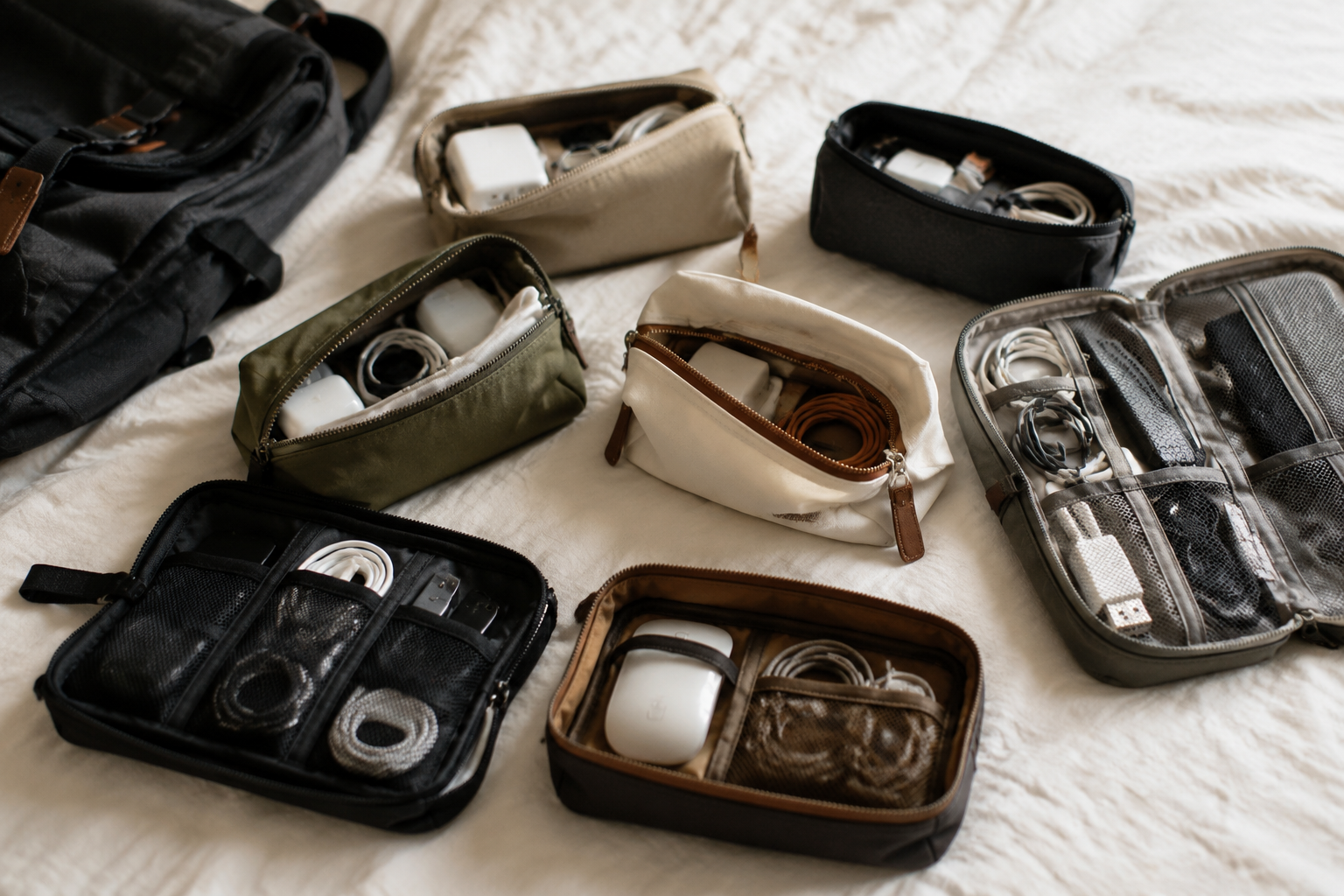
There is a particular moment in the morning when an office bag earns its keep. The train is crowded, the coffee is in one hand, and the other hand is fumbling for a phone that is ringing somewhere in the depths of a tote. The bag that makes this moment easy is a structured one. The bag that makes this moment a small performance of digging and apologizing is slouchy. This is not a matter of taste. It is a matter of physics, and the physics of leather and canvas do not care about trends.
The office bag debate has been framed as a personality test for years. Structured bags belong to the organized, the punctual, the people who color-code their calendars. Slouchy bags belong to the creative, the spontaneous, the ones who thrive on chaos. That framing is lazy. The real difference is not personality, but the relationship between the bag and its contents. A structured bag holds its shape regardless of what is inside. A slouchy bag takes the shape of what is inside. One is a container. The other is a witness.
For a person who commutes with a laptop, a water bottle, a makeup pouch, and a paperback, the witness is a liability. The slouchy bag collapses around the laptop, creating a bulge that makes the whole silhouette look like a sack of potatoes. The structured bag, with its rigid base and defined panels, keeps the laptop flat against the back and the other items stacked in a way that does not distort the exterior. This is not about aesthetics. It is about the simple fact that a bag with a frame distributes weight better than a bag without one.
The weight distribution matters more than most people admit. A slouchy bag, especially one with a single shoulder strap, concentrates the load at the point where the strap meets the bag. The heavier the contents, the more the bag stretches and pulls at the shoulder. A structured bag, particularly one with two handles or a top handle that sits over the shoulder, spreads the weight across a wider surface. After a full day of walking from the train to the office to the lunch spot and back, the difference is felt in the neck and the upper back. The structured bag wins this round by a mile.
But there is a reason the slouchy bag has not disappeared, and it is not nostalgia. The slouchy bag has a generosity that the structured bag lacks. It can absorb an extra purchase, a scarf, a pair of shoes bought on a lunch break. It does not punish the wearer for being human. The structured bag, by contrast, is an unforgiving taskmaster. It has a set volume. When it is full, it is full, and anything else must be carried by hand or left behind.
This is where the office context becomes decisive. An office is a place of controlled unpredictability. A person knows roughly what the day will hold, but not exactly. There is a meeting that runs long, a document that needs to be carried to another floor, a colleague who needs a spare charger. The structured bag handles the known quantities with grace. The slouchy bag handles the unknown quantities with a shrug. The question is which failure mode is worse: the bag that cannot accommodate an unexpected item, or the bag that swallows the unexpected item and makes it impossible to find?
The answer depends on the specific office. A legal office, a financial office, a place where the dress code is strict and the clients are conservative, demands the structured bag. It signals competence before a word is spoken. The clean lines, the sharp corners, the audible click of a clasp, these are the nonverbal equivalent of a firm handshake. A slouchy bag in that environment reads as carelessness, even if the person inside is brilliant.
A creative office, a startup, a place where jeans are the default and the dress code is a suggestion, allows for the slouchy bag. In that setting, the slouchy bag reads as approachability. It suggests that the wearer is not precious, that they are ready to get their hands dirty. The structured bag in that environment can read as rigid, as someone who is not open to mess. The same bag that projects competence in one room projects coldness in another.
The Material Dictates the Terms
The material of the bag is not a minor detail. It is the deciding factor in how the structure, or the lack of it, actually behaves. A structured bag in stiff calfskin holds its shape for years, but it also holds its weight. It is heavy before anything is put inside it. A structured bag in a lighter material, like a treated canvas or a woven straw, gives the same silhouette with a fraction of the heft. The trade-off is durability. The canvas will scuff and soften. The leather will develop a patina and last a decade.
The slouchy bag has a similar material split. A slouchy bag in soft lambskin is a dream to touch and a nightmare to maintain. It scratches, it stains, it loses its shape entirely if it is overstuffed. A slouchy bag in a sturdier leather, like a nubuck or a pebbled calf, keeps a kind of deliberate slouch, a controlled collapse that looks intentional rather than accidental. The difference between a good slouch and a bad slouch is whether the bag looks like it is resting or like it is exhausted.
There is also the question of the interior. Structured bags tend to have pockets, dividers, and compartments. This is both a blessing and a curse. The pockets make organization easy, but they also dictate where things must go. A person who does not conform to the pocket layout will fight the bag all day. Slouchy bags, at their best, have a single open space. This is chaos for the organized and freedom for the spontaneous. The single space holds more, but finding anything requires a rummage.
The rummage is a real cost. In an office, time is the only currency that matters. Spending thirty seconds digging for a key card at the security gate, or a full minute looking for a pen during a meeting, is a tax on the day. The structured bag with a dedicated key hook and a pen slot pays that tax for the wearer. The slouchy bag makes the wearer pay it directly. Over a year of workdays, that is hours of lost time, all for the sake of a silhouette.
The Commute as the Real Test
The office itself is only half the battle. The commute is where the bag is truly tested. A person who drives to work in a car has a different relationship with their bag than a person who walks, cycles, or takes public transit. The driver can throw the bag on the passenger seat and forget about it. The walker carries the bag for miles. The cyclist needs the bag to stay put, to not swing around and throw off the balance. The transit rider needs the bag to be easy to hold on a lap or to hang from a hook without spilling its contents.
For the walker and the cyclist, the structured bag is the safer choice. It does not swing as much because its weight is distributed evenly. It stays upright when placed on the ground, which matters when a person is bending down to tie a shoe or to pick up a dropped glove. The slouchy bag, when placed on the ground, has a tendency to tip over. The contents spill out in a fan of scattered items. This is a small indignity, but it happens at the worst moments, usually in the rain or in front of a colleague.
The transit rider faces a different problem. The slouchy bag is soft, which makes it easy to tuck under an arm or to squish between the feet on a crowded train. The structured bag is bulky and unforgiving. It takes up space. It pokes the person standing next to it. On a packed morning train, the structured bag becomes a source of quiet resentment. The slouchy bag, in that specific moment, is the better citizen. It yields. It compresses. It does not demand more room than it needs.
This is the nuance that the structured-versus-slouchy debate misses. The best bag is not the one that is always structured or always slouchy. The best bag is the one that matches the specific demands of the day. A person who commutes by train and then sits at a desk for eight hours might do better with a slouchy bag for the commute and a structured bag for the desk. But that requires owning two bags, and most people want one bag that does everything.
What the Shoulder Strap Reveals
The shoulder strap is the most underrated feature of any bag. It is the point of contact between the bag and the body, and it determines whether the bag feels like a companion or a burden. Structured bags often have thin, rigid straps that dig into the shoulder. This is a design flaw that negates the benefit of the structure. A structured bag with a wide, padded strap is the ideal office bag. It holds its shape and it does not hurt. The combination is rare, but it exists.
Slouchy bags, by contrast, often have softer, wider straps. The softness of the bag extends to the strap, which makes it more comfortable on the shoulder. But the soft strap also means the bag slides around more. It slips off the shoulder at inopportune moments. The structured bag stays put. The slouchy bag requires constant adjustment. For a person who is already carrying a laptop and a lunch and a coat, the constant adjustment is one more thing to think about.
The length of the strap matters too. A structured bag with a short handle that must be carried by hand changes the posture of the wearer. It pulls the shoulder down and forward. A structured bag with a longer strap that hangs at the hip keeps the posture more neutral. A slouchy bag with a long strap that hangs at the thigh looks casual, but it also swings and hits the leg with every step. The sound of a bag thumping against the thigh is a subtle annoyance that builds over the course of a day.
The ideal strap length is one that allows the bag to sit at the lower back, just above the hip. This position keeps the weight close to the center of gravity and minimizes the strain on the shoulder and neck. Both structured and slouchy bags can achieve this, but the structured bag is more likely to stay in position once set. The slouchy bag, because it is soft, tends to sag and drop lower over time. The wearer is left with a bag that hangs at the knee, which is neither comfortable nor professional.
The Meeting Room Test
Inside a meeting room, the bag becomes part of the furniture. It sits on the floor, on a chair, or on the table. The structured bag on the floor stands upright, a quiet sentinel. The slouchy bag on the floor collapses into a puddle of leather. The difference is not just visual. A structured bag on the floor is easy to reach into without bending over fully. A slouchy bag requires the wearer to lean down and hold the bag open with one hand while fishing with the other. This is an awkward position, and it draws attention.
The bag on the table is a different matter. In many offices, putting a bag on the table is a power move. It claims space. The structured bag on the table looks deliberate, like it belongs there. The slouchy bag on the table looks accidental, like it was dropped and not placed. The wearer of the structured bag can take out a notebook and a pen without looking. The wearer of the slouchy bag has to look down and search, which breaks eye contact and interrupts the flow of the conversation.
A person who takes notes by hand will find the structured bag more compatible. The bag can be opened with one hand while the other hand holds the pen. The contents are visible at a glance. The slouchy bag, with its dark interior and collapsed walls, hides the contents. The wearer has to use both hands to find a single item. This is a small inefficiency, but in a meeting where every minute counts, it adds up.
The meeting room test also reveals the noise factor. A structured bag with a magnetic clasp or a zipper makes a distinct sound when opened and closed. In a quiet room, that sound is a statement. It says, I am here, I am organized, I am taking this seriously. A slouchy bag with an open top makes no sound at all. It is silent, which can be good or bad. The silence suggests discretion. It also suggests that the bag is not protecting its contents from prying eyes.
The After-Hours Shift
Most office bags do not stay in the office. They go to lunch, to a networking event, to a drink after work. The bag must transition from the desk to the bar without looking out of place. The structured bag makes this transition cleanly. It looks as appropriate at a bar as it does at a desk. The slouchy bag, when it is packed with office essentials, looks like a work bag that has not been emptied. It carries the office with it, a visible sign that the wearer has not fully left work behind.
The reverse is also true. A slouchy bag that is nearly empty, with just a phone and a wallet at the bottom, looks elegant and effortless. It hangs loosely and moves with the body. A structured bag that is nearly empty looks odd. It holds its shape, but the emptiness is visible in the way the interior space feels hollow. The structured bag demands to be filled. The slouchy bag is comfortable with emptiness.
This is why many people end up owning both. The structured bag for the days when the schedule is packed and the appearance matters. The slouchy bag for the days when the schedule is light and the appearance is secondary. The two bags serve different functions, not because of fashion, but because of the physical demands of the day. A person who tries to use one bag for everything will find that the bag fails at one end of the spectrum or the other.
The cost of owning both is not just financial. It is the mental cost of deciding which bag to carry each morning. The decision is small, but it adds to the cognitive load of the day. Some people resolve this by standardizing on one bag and accepting its limitations. Others rotate based on the calendar. Both approaches work. The only approach that does not work is pretending that the two bags are interchangeable.
The Verdict on Structure
The structured bag is the safer default for the office. It makes a better first impression, it protects its contents, and it does not punish the wearer for carrying a laptop. The slouchy bag is the better choice for the specific person who values flexibility over form and who does not carry much. That person is rarer than the fashion magazines suggest. Most people carry more than they think they do, and the slouchy bag punishes that optimism with a sore shoulder and a disorganized interior.
The final consideration is the lifespan of the bag. A structured bag that is well-made will hold its shape for a decade. It will look almost the same on the last day as it did on the first. A slouchy bag that is well-made will get slouchier over time. It will develop a character of its own, a kind of broken-in comfort that no new bag can replicate. The structured bag is a faithful servant. The slouchy bag is an old friend. In an office, the servant is more useful.
What nobody tells the office worker is that the bag is not the statement. The contents are the statement. The bag is just the frame. A structured bag with a cluttered interior looks like a lie. A slouchy bag with a carefully organized interior looks like a surprise. The person who can keep a slouchy bag organized, who can find a pen in the depths without lifting the bag, has mastered a skill that is rarer than any fashion sense. That person can wear either bag and make it work. Everyone else should choose structure.