How to Build a Transitional Spring Wardrobe That Works All Week
Spring dressing asks for more judgment than summer or winter. A wool coat can be wrong by lunchtime, a linen shirt can feel delusional before 9 a.m., and the same sidewalk may hold puddles, pollen, and a surprising stripe of sun. The useful transitional wardrobe accepts that instability instead of pretending the season has made up its mind.
The goal is a week of clothes that can absorb temperature swings, office heat, school pickup wind, dinner plans, rain on Tuesday, and the sudden optimism of a Friday afternoon. That usually means fewer pieces than people imagine, chosen with stricter logic. A good spring wardrobe is built around layers that come off cleanly, fabrics that look intentional when mixed, and colors that do not collapse into either winter gloom or Easter display.
Start With The Weather That Actually Happens
The first mistake is dressing for the idea of spring. The calendar says April, so out come bare ankles, fragile shoes, a cotton dress, a hopeful trench. Then the wind turns sharp in the shadow of a building and the outfit becomes a small act of denial.
A transitional wardrobe works better when it is built for the hours between seasons: 47 degrees at breakfast, 62 degrees after lunch, rain that lasts twelve minutes, overheated trains, chilly restaurants, offices where the thermostat belongs to someone in another emotional climate. Clothes have to move through those conditions without requiring a costume change.
That means the weekly plan should begin with outer layers, shoes, and base layers, not with the most charming blouse in the closet. The coat, jacket, or knit determines whether the outfit survives the commute. The shoe determines whether the outfit survives wet pavement. The base layer determines whether the whole thing still looks finished once the outer layer is hanging on the back of a chair.
For many wardrobes, the sweet spot is three light outer layers: a trench or raincoat, a cropped or hip-length jacket, and a substantial knit or cardigan that can behave like a jacket on mild days. These are the pieces that make Monday through Friday possible. Without them, the wardrobe depends too heavily on either a winter coat that feels heavy by noon or a shirt that has no defense against morning cold.
Choose A Narrow Color Range Before Buying Anything
Spring invites color, which is welcome. Spring also invites chaos, which is less useful at 7:20 a.m. A transitional wardrobe works all week when most pieces can sit beside one another without argument. That does not require a beige capsule or a monkish refusal of pattern. It requires a limited agreement.
A practical palette might be navy, white, olive, pale blue, and black leather. Another might be charcoal, cream, denim, tobacco, and tomato red. The exact colors matter less than the discipline of keeping them close enough that the same jacket, belt, and shoe can repeat without looking accidental. Two neutrals, one denim tone, one soft spring color, and one sharper accent will carry more outfits than a closet full of unrelated pastels.
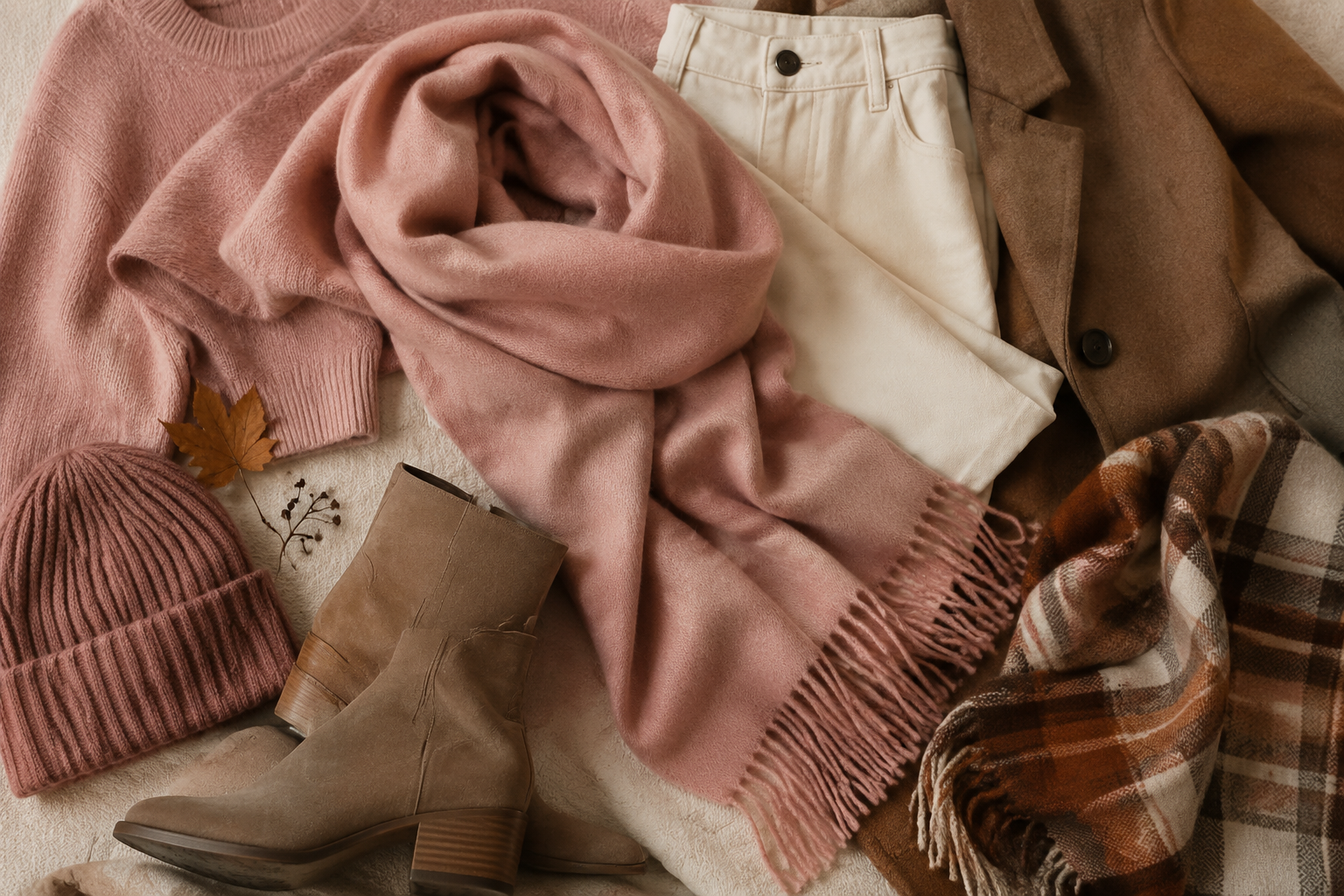
The best spring colors often have a little dirt in them. Chalk white, faded blue, washed black, mushroom, moss, clay, and dusty pink handle real life better than sugary shades that demand perfect weather and perfect light. They also sit more naturally with leftover winter pieces: black trousers, dark denim, leather boots, wool knits. A lilac shirt can be beautiful under a charcoal blazer. A lemon skirt may need more cooperation from the rest of the closet.
Print deserves the same restraint. One striped shirt, one small floral, or one checked jacket can do real work across a week. Five competing prints create laundry-room math. The strongest transitional wardrobes tend to repeat texture more than pattern: ribbed cotton, brushed twill, fine merino, smooth poplin, washed denim, matte leather.
Make The Base Layer Presentable On Its Own
The layer closest to the body carries more responsibility in spring than it does in winter. In January, a thin long sleeve can hide under a sweater all day. In April, that same shirt may become the entire outfit by 2 p.m. The base layer has to be something a person is willing to be seen in.
This is where cheap transparency, tired necklines, and stretched cuffs become obvious. A white T-shirt that looks fine under a blazer may look defeated alone. A tank that works under a cardigan may feel too bare when the sun comes out and the cardigan comes off. A button-front shirt that gaps, wrinkles severely, or clings under the arms will cause low-level irritation for eight straight hours.
Reliable spring base layers include a close but comfortable cotton rib top, a fine-gauge crewneck, a striped long-sleeve shirt, a crisp poplin shirt, a silk or satin shell with enough structure, and a medium-weight T-shirt with an opaque body. The neckline should make sense under jackets and sweaters. Crewnecks, boatnecks, soft collars, and simple V-necks usually layer cleanly. Anything with a complicated sleeve, floppy tie, or bulky ruffle needs more planning than most weekday mornings allow.
The best test is plain: if the jacket comes off in a meeting, at lunch, or while carrying groceries, the outfit should still look like a decision. That one standard eliminates a surprising amount of weak clothing.
Keep Bottoms Steady And Let Tops Change The Mood
There is a reason good trousers and denim become the spine of spring dressing. Bottoms are harder to adjust during the day. They have to suit the weather, the shoes, the chair, the commute, and whatever happens after work. Once a pair succeeds, it should be allowed to repeat.
For a workweek, three bottoms are usually enough: one tailored trouser, one denim option, and one skirt or second trouser in a different shape. The trouser might be straight, wide, or gently tapered, but it should have enough weight to hang properly without reading as winter suiting. Tropical wool, cotton twill, ponte, fluid crepe, and sturdy blends all have a place here. Thin linen can wait until the weather stops changing its mind every four hours.
Denim earns its place when the wash is deliberate. Mid-blue denim is the most flexible in spring because it softens dark coats and still looks grounded with loafers, sneakers, or ankle boots. Very pale denim can look fresh, though it is less forgiving on wet days and crowded transit. Black denim works if the rest of the outfit brings in lightness through a white shirt, a blue stripe, a tan jacket, or a colored knit.
Skirts are useful when they are chosen for movement and weather, not fantasy. A straight midi in denim or cotton twill, a bias skirt in a substantial fabric, or an A-line shape with boots or loafers can carry a full day. The flimsy floral skirt that needs the perfect sandal, the perfect breeze, and the perfect mood is a weekend piece pretending to be a weekday solution.
Use Shoes As The Reality Check
Shoes expose the difference between a spring outfit imagined indoors and one that can leave the house. Transitional weather punishes fragile suede, slick soles, and sandals introduced too early. It also makes heavy winter boots feel blunt against lighter fabrics. The middle ground is narrow, but it exists.
A weekday spring shoe group might include loafers, low-profile sneakers, ankle boots, and a weather-ready flat or boot with a decent sole. The loafer sharpens denim and relaxes trousers. The sneaker keeps a trench from feeling too formal. The ankle boot rescues cold mornings and rainy pavement. The weather-ready pair handles the days when the forecast uses words like showers and drizzle with suspicious cheer.
Color matters here because shoes repeat. Black is useful, but a dark brown, oxblood, tan, or deep green shoe can make spring outfits feel less severe while staying practical. White sneakers work when they are clean enough to look intentional and sturdy enough for the day ahead. Ballet flats can be excellent in dry weather, especially with trousers or straight denim, though the thinnest versions belong to a kinder climate than early spring usually provides.
The ankle question also deserves attention. Bare ankles in spring can look elegant for twenty minutes and then foolish at a windy bus stop. Socks, sheer knee-highs, fine ribbed trouser socks, and thin wool socks extend the life of cropped pants and loafers. They are small, unglamorous tools, which is why they matter.
Build Five Outfits From Repeating Anchors
The most efficient spring wardrobe repeats anchor pieces while changing the visible emphasis. A navy trouser can appear on Monday with a striped shirt and trench, then again on Thursday with a fine knit and loafers. Repetition reads as style when the proportions are clean and the pieces are maintained. It reads as neglect only when the clothes are tired, wrinkled, or forced into combinations that do not quite work.
Consider a week built from ten pieces: a trench, an olive jacket, a navy cardigan, a striped long-sleeve shirt, a white poplin shirt, a pale blue knit, dark straight jeans, navy trousers, a denim midi skirt, loafers, and sneakers. Accessories can shift the tone, but the core already has enough range. Monday can be trousers, poplin, cardigan, loafers. Tuesday can be jeans, striped shirt, trench, sneakers. Wednesday can be skirt, knit, olive jacket, loafers. Thursday can return to trousers with the striped shirt and trench. Friday can use jeans, poplin, navy cardigan, and whichever shoe the weather allows.
This kind of planning sounds austere until the week gets busy. Then it feels like relief. The closet has fewer debates in it. The laundry basket gives clearer instructions. If the pale blue knit is worn once and aired out, it can appear again under a jacket without drama. If the trousers are brushed and hung properly, they can do a second day. Transitional dressing rewards care more than novelty.
One useful rule is to avoid wearing every light or spring-coded item in the same outfit. A white jean, pastel shirt, straw bag, and bare flat can look as though the wardrobe has skipped ahead by six weeks. Pairing one lighter item with something grounded, such as a dark shoe, a structured jacket, or a substantial trouser, usually looks more believable.
Let Knitwear Do More Than Provide Warmth
Knitwear is the underrated worker of spring. It softens tailoring, fills the gap under a trench, replaces a jacket on mild afternoons, and brings texture to outfits that might otherwise feel flat. The wrong knit, however, drags the whole look back into winter. Chunky cables and heavy turtlenecks can stay folded away once the daffodils are out.
Fine merino, cotton cashmere, compact cotton, and smooth ribbed knits are better suited to the season. A crewneck in pale gray, navy, red, ivory, or soft green can sit over a shirt collar or under a jacket without adding bulk. A cardigan with real structure, meaning buttons that close properly, shoulders that do not slump, and a hem that lands somewhere intentional, can replace a blazer in many workplaces. The cardigan should look like clothing, not a blanket with sleeves.
How knitwear is worn changes the whole outfit. A sweater over the shoulders can look affected in some settings and perfectly useful in others. Tying it around the waist usually works better with denim than with tailored trousers. Wearing a fine knit directly against the skin under a trench can be quietly polished, especially with a good belt and clean shoes. Layering a cardigan over a striped shirt gives even plain jeans a sense of order.
The knit chosen for Monday morning should have a plan for Friday afternoon. If it pills badly, loses shape, or traps heat, it will not earn its space. Transitional wardrobes are full of pieces that seem minor until they are worn twice a week for two months.
Treat Dresses As Layering Pieces, Not Standalone Events
Dresses can work beautifully in transitional weather when they are treated as part of a system. The dependable spring dress has enough fabric weight to hang well, enough coverage to handle a jacket, and a shape that accepts more than one shoe. Shirt dresses, ribbed knit dresses, straight cotton dresses, and darker floral dresses often do this better than floaty pieces made for high summer.
The dress should answer three questions before it enters the weekday rotation. Can it take a trench or jacket without bunching at the sleeve? Can it work with loafers, boots, or sneakers? Can it be worn with tights, socks, or bare legs depending on the day? If the answer is yes, it is a useful spring dress. If it only works with one sandal and a specific temperature, it belongs to a narrower part of the season.
A navy shirt dress with a belt and loafers can handle an office day. A ribbed dress with an olive jacket and low sneakers can manage errands and casual work. A darker floral midi with ankle boots can go to dinner before the evenings turn warm. The trick is avoiding the dress that announces summer while the rest of the world is still carrying umbrellas.
Plan For Rain Without Dressing Like A Forecast Graphic
Rain is part of spring, and yet many wardrobes treat it as an emergency. The result is often a good outfit ruined by a technical shell in a color chosen during a camping phase, or a beautiful coat slowly absorbing water at the shoulders. A transitional wardrobe needs rain pieces that belong to the clothes, not pieces that hover outside them.
A trench with some water resistance, a simple raincoat in navy, khaki, black, olive, or stone, or a waxed cotton jacket can cover most ordinary wet days. The fit should allow a knit underneath without creating a stuffed sleeve. The length should protect the clothes most often worn below it. A cropped rain jacket may be useful with jeans, but it does little for a skirt or longer blazer.
Bags matter in rain almost as much as coats. Open straw, untreated suede, and pale fabric totes are poor companions for a wet Tuesday. Smooth leather, coated canvas, nylon, and darker woven materials are more forgiving. A compact umbrella that actually fits in the work bag is more useful than a dramatic full-size umbrella left by the door.
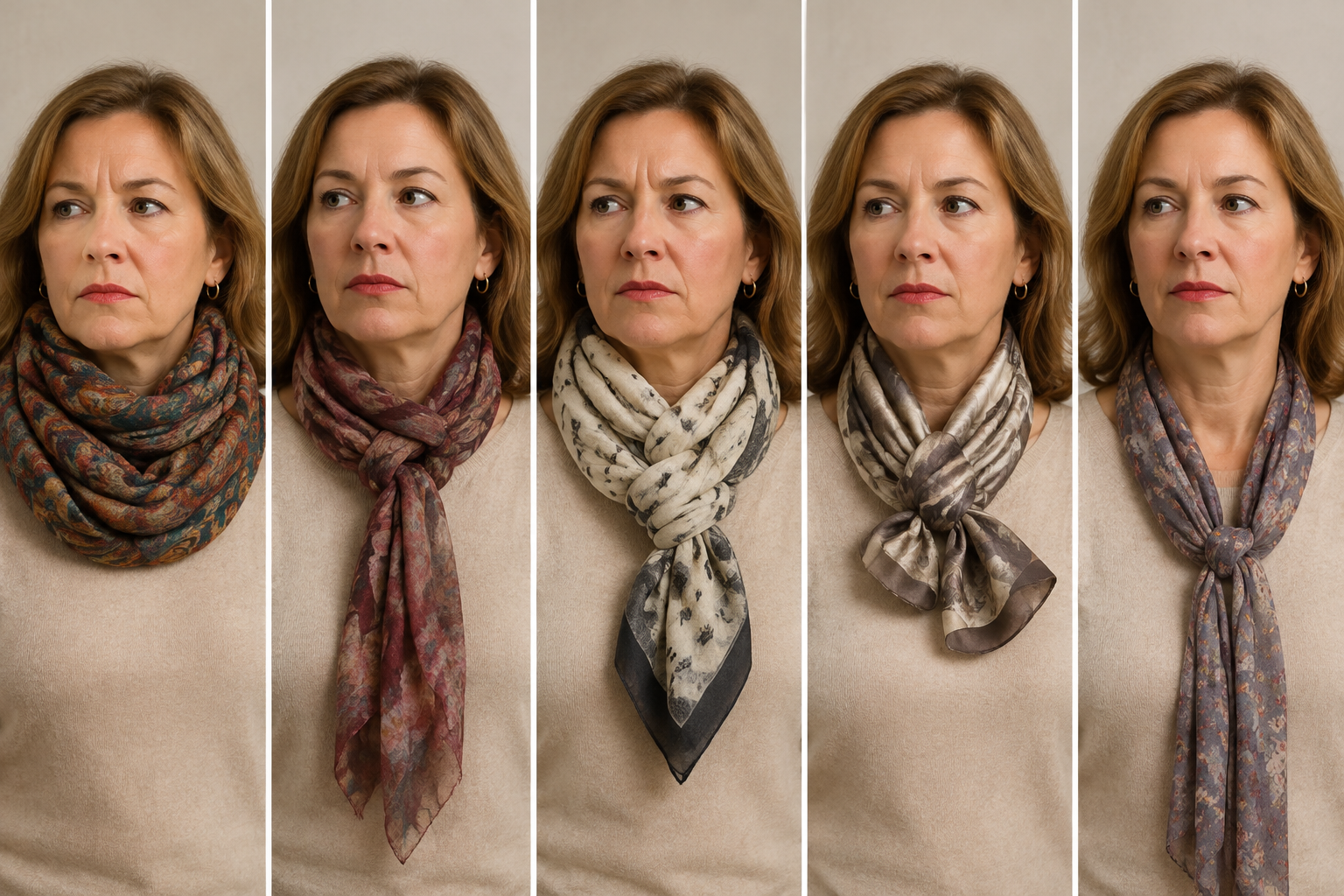
There is no need to make every rainy day outfit somber. A red knit under a khaki trench, a pale blue shirt with dark denim, or a printed scarf tucked into a raincoat can keep the weather from dictating the whole mood. The practical layer should create permission for the rest of the outfit to stay personal.
Give Accessories A Job
Accessories are often where spring wardrobes become either lively or silly. The season tempts small purchases: a scarf in a color that goes with nothing, sunglasses bought too quickly, a bag that looks charming on a shelf and strange with a coat. The better approach is less romantic and more effective. Every accessory should solve a problem or sharpen a repeated outfit.
A narrow leather belt can make trousers and a tucked shirt look finished. A silk or cotton scarf can warm the neck in the morning, add color at lunch, and live in a bag by evening. Sunglasses should work with the actual coats and jackets in rotation, not just with summer dresses. Jewelry can stay simple because spring layering already creates enough visual movement around collars, cuffs, and hems.
The spring bag should also be judged by the week, not the outfit. It needs to hold an umbrella, sunglasses, perhaps a cardigan, perhaps a lunch container, perhaps the thing bought on the way home because the day ran long. A structured crossbody, a leather tote with a secure closure, or a durable shoulder bag in a mid-tone color can do more work than a tiny basket or a pale clutch that fears weather.
One accent color is usually enough. A green scarf, red socks, blue sunglasses, and yellow bag can tip into costume quickly. A single repeated accent, such as a red belt one day and red flats another, gives the wardrobe a point of view without making every outfit announce itself.
Edit The Closet At The Doorway Between Seasons
The most useful spring wardrobe edit happens at the threshold between storage and daily use. Heavy winter coats can move out of the most accessible spot, but one warm layer should remain. High-summer dresses can stay away for a few more weeks. The front of the closet should hold the pieces that can work this week, in the weather that exists.
This edit is physical. Hang the trench, jacket, and cardigan where they can be reached without digging. Put the trousers, denim, and skirt together. Place the spring shoes where their condition is visible, because mud and worn heels are easier to ignore in a dark closet. Fold the knits that still belong in rotation and remove the ones that suddenly look too heavy against daylight.
Then deal with maintenance. Steam the shirts. Brush the coats. Treat the shoes. Check the umbrella. Replace the white T-shirt that has gone gray. Remove the sweater with the pilled sleeves from the weekday pile until it is fixed. These chores are not glamorous, but they are the difference between owning good clothes and being able to wear them on a Wednesday.
The final test takes less than ten minutes: lay out five outfits on the bed, including shoes and outer layers. Any piece that appears in only one fragile combination has to justify its place. Any piece that works three different ways earns priority. By the time the bed is cleared, the week has shape: a trench ready on the hook, loafers by the door, a striped shirt waiting for the morning light.