Cool spring nights punish vague packing. The afternoon may be bright enough for rolled sleeves and bare ankles, then the temperature drops after dinner and every bench, porch chair, train platform, and parking lot seems to hold the cold. A weekend bag for that kind of trip has to cover both versions of the day without turning into a wheeled closet.
The best spring weekend bag is built around layers that can survive being worn twice, shoes that do not trap the whole outfit in one mood, and a small set of night-specific pieces chosen before the bag is zipped. The mistake is usually emotional. Spring looks light, so people pack light. Then Saturday night arrives with damp air, a breeze off the river, or a backyard fire that never quite reaches the folding chairs at the edge, and the pretty little bag starts looking naive.
Start With The Coldest Hour Of The Trip
Planning from the coldest likely hour changes the bag immediately. For a Friday to Sunday trip in April or early May, that hour is rarely noon. It is the walk back from dinner, the early morning coffee run, or the last half hour outside after everyone has insisted the weather is fine. Packing for that hour first gives the weekend a backbone.
A good test is simple: if the outfit worn at 9 pm would still feel comfortable while standing still for 15 minutes, the bag is probably honest. Standing still matters. Walking can hide bad packing. So can a warm car. The chilly part of a spring weekend often happens during waiting, talking, watching, lingering, and pretending the outdoor table was a good idea.
That does not mean packing a winter coat. A bulky coat steals half the bag and usually looks wrong by lunchtime. A better move is one serious outer layer: a cropped quilted jacket, a light wool overshirt, a lined trench, a packable puffer vest, or a denim jacket only if it has enough room underneath for a sweater. The key is that the outer layer must close. A jacket that looks good only hanging open is a photograph prop, not weather protection.
The Weekend Formula That Actually Fits
For two nights away, the useful formula is tighter than most people expect: one travel outfit, one extra bottom, two base tops, one warm middle layer, one outer layer, sleepwear, underwear, socks, toiletries, and one small wildcard for the main plan. That wildcard might be a dress, a sharper shirt, a nicer pair of earrings, a swimsuit for a hotel pool, or a clean white tee reserved for the final morning. It gets one slot. It does not get to become a second suitcase.
The travel outfit should do work. If jeans are comfortable enough for the ride, they can become the Saturday outfit. If a knit dress can handle the train and dinner, it earns its place. If a pair of trousers wrinkles the moment someone sits down, they belong to a different weekend. Spring packing rewards clothes that can move between a museum, a brewery patio, a family lunch, and a late checkout without announcing the change.
A realistic bag might contain straight-leg jeans worn during travel, black ponte pants folded inside, a striped long-sleeve tee, a soft button-down, a fine-gauge sweater, a water-resistant trench, pajamas, three pairs of socks, three sets of underwear, a compact toiletry kit, and loafers or sneakers already on the feet. That is enough for most spring weekends with dinners, walks, and unpredictable indoor heat. It is also small enough to lift into an overhead rack without a private negotiation.
Choose Fabrics That Handle Damp Air
Cool spring weather has a dampness that dry winter cold does not. Cotton fleece can feel cozy indoors and clammy outside. Thin linen looks hopeful at noon and defeated by sunset. Very light rayon and viscose can cling when the air turns wet. None of these fabrics are forbidden, but they need support from better companions.
Merino wool is excellent for this exact problem because a thin layer can be warmer than it looks and can often be worn more than once without feeling stale. A merino crewneck or cardigan packs smaller than a chunky cotton sweater and behaves better after being compressed. A cashmere blend works too, though it asks for more care around rain, campfire smoke, and restaurant spills.
For bottoms, heavier cotton twill, denim, ponte, wool-blend trousers, and thick ribbed knits usually beat floaty fabric. A skirt can work beautifully with tights or tall boots, but a bare-leg skirt packed for cool nights is a bet against the weather. Spring is full of those bets. The weather wins too often.
Outer layers should have some resistance to wind. A loose open cardigan may feel lovely in a rental house, then fail completely on a sidewalk. A chore jacket in sturdy cotton, a waxed cotton shell, a light raincoat with room for a sweater, or a compact insulated jacket gives the bag more range. The goal is a layer that blocks air, because moving air is what turns a mild night into a short one.
Pack One Real Sweater
The most useful item in a cool-spring weekend bag is a real sweater. Real means warm enough to wear outside under a jacket, comfortable against a tee or shirt, and presentable enough for dinner. A thin decorative knit with open stitching may look charming and do almost nothing at 48 degrees. A sweatshirt may be warm and still feel too casual for the only restaurant reservation of the trip.
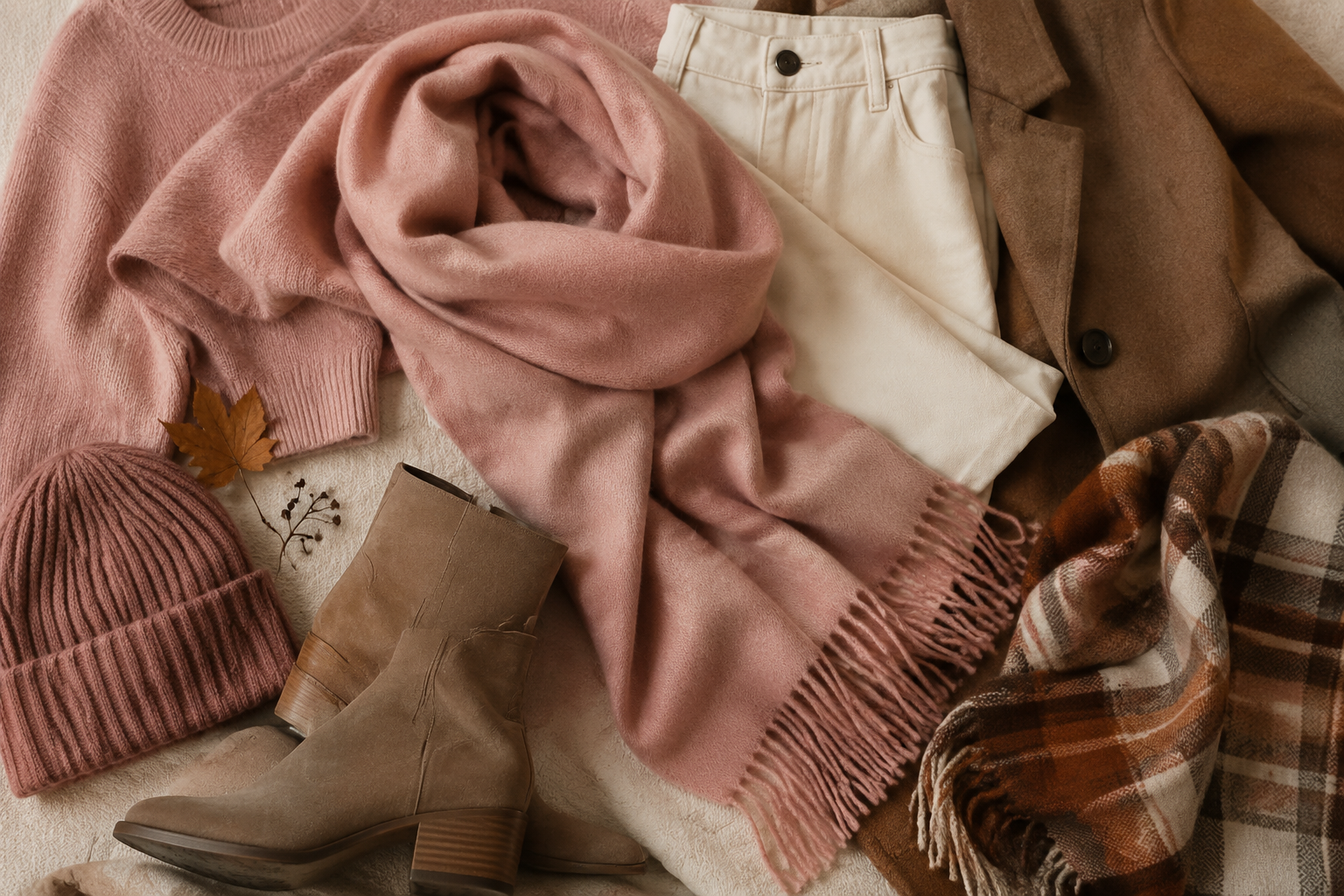
A crewneck is the easiest version. Navy, gray, oatmeal, black, olive, and dark red all play well with denim and tailored pants. A cardigan gives more temperature control and can cover a sleeveless or short-sleeve top without changing the whole outfit. A quarter-zip can work, especially for cabin weekends, coastal walks, and sports-heavy trips, though it can drag a city outfit toward errands if the rest of the bag is too casual.
The sweater should be worn during travel if space is tight. Draped over shoulders, tied around the waist, or tucked into the top of the bag, it saves room and becomes available the moment the weather turns. The habit of burying the warmest layer at the bottom of the bag is one of those small travel errors that only reveals itself in a cold parking lot.
Shoes Decide More Than Clothes Do
A weekend bag becomes easier once the shoe decision is made. Shoes are heavy, dirty, and greedy. Two pairs are usually the limit, and one of them should be on the feet during travel. The pair in the bag has to justify every inch it takes.
For cool spring nights, closed-toe shoes are the sensible default. Loafers, low boots, leather sneakers, simple flats with a real sole, and clean trainers all keep the bag flexible. Sandals can come along if the trip clearly includes a warm daytime event, but sandals are a poor answer to a cold patio. Even good socks cannot rescue the wrong sandal.
The strongest two-shoe combination is often a walkable day shoe and a compact evening shoe. White or black leather sneakers plus loafers. Ankle boots plus ballet flats. Waterproof Chelsea boots plus a sleeker flat. For a rural weekend, boots may be the travel shoe and sneakers may go in the bag. For a city weekend, sneakers can do nearly everything if they are clean enough and the clothes around them are deliberate.
Socks deserve more respect here. A thin wool sock can make loafers or boots feel right after dark without taking visible control of the outfit. Pack one warmer pair than seems necessary. It is a tiny insurance policy, and unlike a second jacket, it does not distort the bag.
Build Outfits In Columns
The easiest way to avoid overpacking is to build the weekend in columns rather than outfits. One column is the base: bottoms and tops that all get along. The next column is warmth: sweater, jacket, socks, scarf if needed. The last column is polish: jewelry, belt, lip color, watch, or a small bag. This method keeps the suitcase from filling with complete outfits that cannot share parts.
Color matters less when the palette is small. Three main colors are plenty for a weekend. Denim, white, navy. Black, cream, olive. Gray, blue, brown. The exact trio depends on personal style, but the limit does the work. Once the bag contains five colors, two prints, and three shoe moods, every choice starts demanding a companion piece.
A striped tee, dark jeans, a navy sweater, and tan loafers can become a Friday travel outfit, a Saturday morning outfit, and the lower half of a Saturday dinner outfit if the button-down or sharper top comes out. A black knit dress can be worn with sneakers during the day, then with boots, tights, and a jacket at night. The bag should feel like a small wardrobe with shared hinges, not a pile of separate costumes.
The Night Bag Inside The Weekend Bag
Cool spring nights are easier when the night pieces are gathered together. A small pouch or packing cube can hold the things that come out after 5 pm: warmer socks or tights, a scarf, a nicer top, jewelry, a compact umbrella, and the lip balm that otherwise disappears under charging cables. This sounds fussy until the room is dim, someone is waiting by the door, and the whole bag has been turned inside out for one pair of earrings.
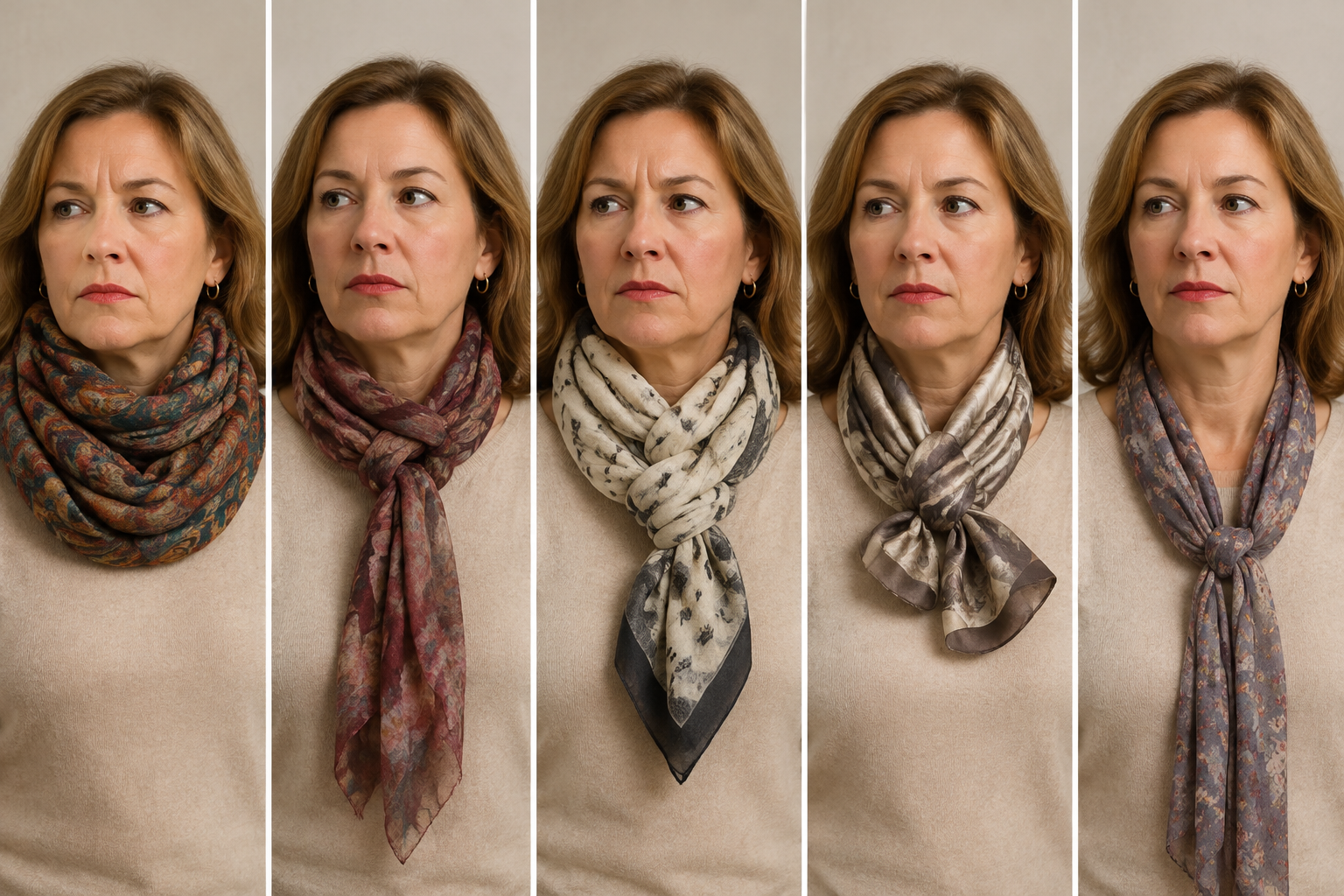
A scarf is optional, but a good one earns its place. It should be large enough to warm the neck and chest, small enough to fold flat, and made of wool, cotton gauze, silk, or a blend that feels pleasant against skin. A giant blanket scarf belongs to colder months. A tiny decorative square belongs wherever the forecast stays kind.
Tights deserve the same practical treatment. If a dress or skirt is packed for evening, tights go in automatically unless the forecast is unusually warm. Sheer tights help a little. Opaque tights help more. Wool tights are excellent for cabins, countryside dinners, and anywhere the phrase "we can sit outside" is likely to appear.
The compact umbrella is a judgment call. In many spring climates, it belongs in the bag by default. A hooded rain shell may cover the same need for casual trips, but an umbrella keeps hair, glasses, and collars from arriving damp at dinner. The smallest versions can be annoying in wind, so the better compromise is a sturdy compact model that fits along the side of the bag rather than a toy umbrella that folds into nothing and flips at the first gust.
Toiletries Should Shrink Before Clothes Do
Clothing gets blamed for overstuffed weekend bags, but toiletries often take up the dumbest space. Full-size bottles, duplicate products, hard cosmetic cases, and a hair tool packed out of habit can crowd out the sweater that would actually save the night. For two nights, almost everything can be smaller.
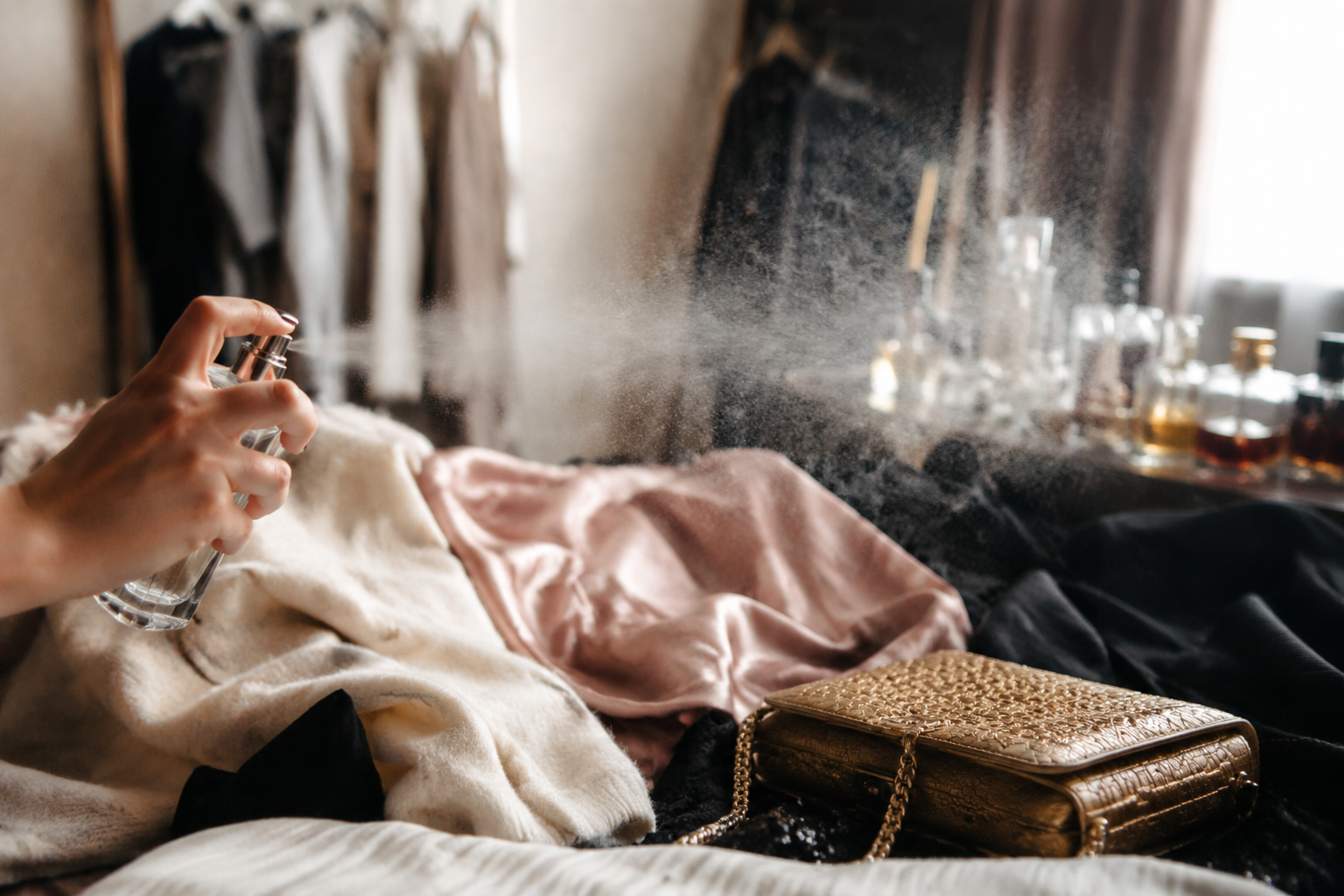
A spring weekend kit can be brutally plain: toothbrush, toothpaste, cleanser, moisturizer, sunscreen, deodorant, razor if needed, hair ties or clips, medications, contacts or glasses, minimal makeup, and a small fragrance if that is part of the routine. Shampoo and conditioner depend on the lodging. Hotels often provide something usable. Rental houses are less predictable. Decanting into small leakproof bottles is usually better than gambling or carrying the original bottle across state lines for one shower.
Makeup can shrink to the face people actually wear on a weekend: tinted moisturizer or base, concealer, brow product, mascara, blush, and one lip color. Add eyeliner or a small palette if evenings call for it. A huge makeup bag creates the illusion of choice while making the sink area worse for everyone else sharing it.
Hair tools are the hardest call because they depend on texture, plans, and pride. A compact brush, dry shampoo, and one clip can do plenty. A curling iron or straightener should come only when there is a specific event on the itinerary. Otherwise it becomes a hot metal confession that the bag was packed for a version of the weekend that may never happen.
What To Wear On The Way There
The travel outfit is part of the packing list, not a separate category. It should carry the bulkiest useful items: the jacket, the heavier shoes, the sweater if possible. This leaves the bag for lighter pieces and keeps the warm layers available during temperature swings in stations, cars, airports, and roadside stops.
A strong spring travel outfit might be jeans, wool socks, loafers or boots, a long-sleeve tee, a sweater, and a trench or light jacket. For someone who runs warm, the sweater can sit over the shoulders or in the tote. For someone who runs cold, a thin thermal or fitted tee under the visible top can make the whole outfit warmer without changing its appearance.
The clothes worn in transit should be clean enough to repeat. This is especially true for Friday departures after work. If the travel outfit is already tired before the trip starts, the bag has to compensate. A fresh tee packed near the top can reset the outfit on arrival, but the base pieces should still be able to handle a second appearance.
Leave Space For The Ugly Necessities
Every good weekend bag leaves a little room for items nobody wants to photograph: chargers, a paperback, a water bottle, glasses case, allergy medicine, a phone battery, keys, snacks, and the plastic bag needed for damp socks or muddy shoes. Spring creates more of these awkward objects than summer does. Rain, grass, pollen, and uneven temperatures all bring accessories.
A folded laundry bag is one of the most useful additions. It can be a proper nylon pouch or a clean grocery bag. By Sunday morning, it will hold worn underwear, socks, a smoke-scented tee, or the shirt that caught salad dressing at lunch. Keeping used clothes separate makes repacking faster and protects the clean wildcard piece that somehow survived the weekend.
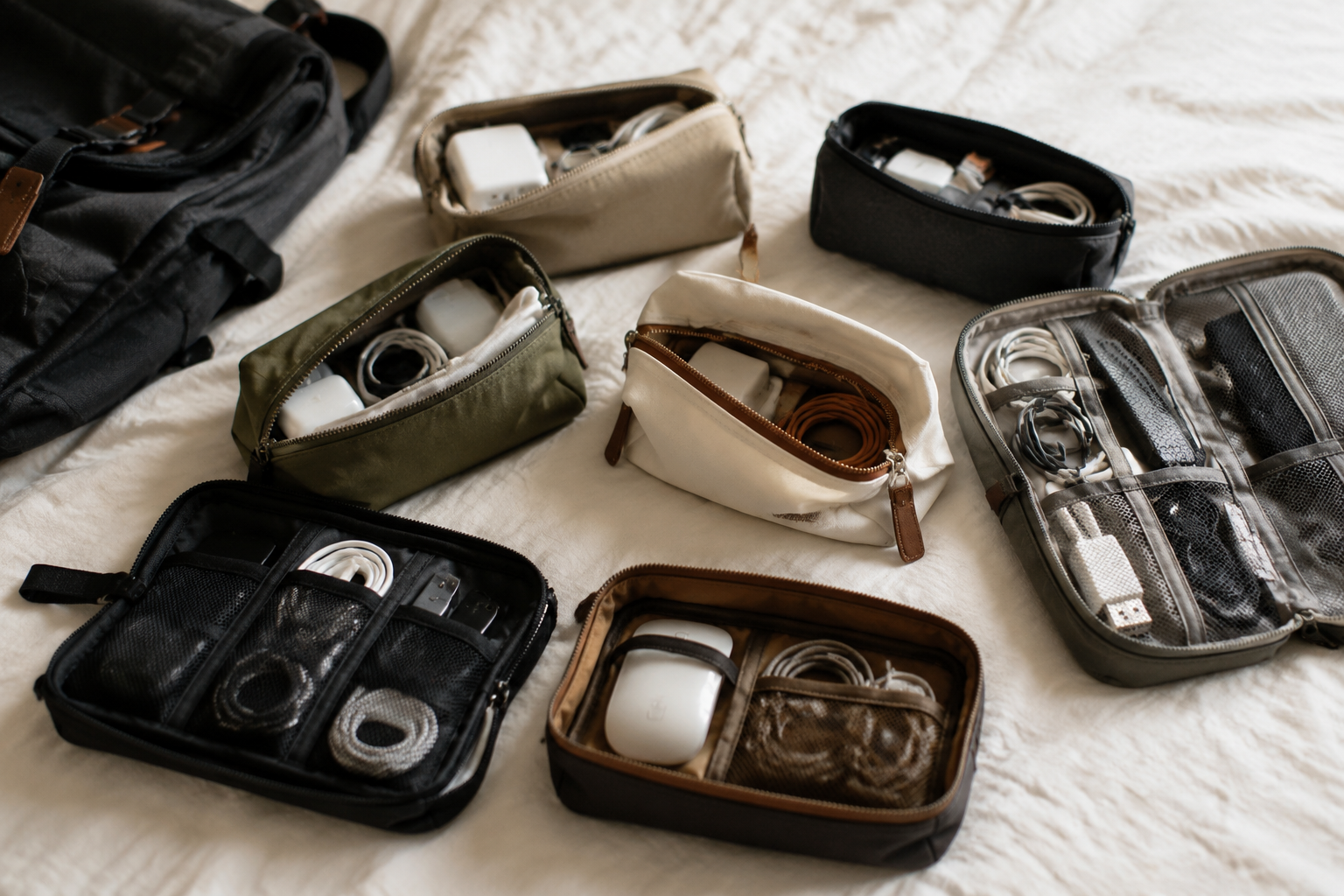
Chargers should live in one pouch. The phone charger, watch charger, earbuds, and portable battery do not need to migrate through the bag independently. A short extension cord can be useful in old houses and crowded hotel rooms, though it is more of a group-trip item than a solo essential. The point is containment. Loose cords have a talent for making a modest bag feel chaotic.
Medication and personal essentials belong somewhere reachable, not under folded pants. Spring weekends often involve long meals, unfamiliar beds, pollen, and more walking than planned. The small things that make a person comfortable should not require unpacking the whole bag on a sidewalk or in a restaurant bathroom.
The Packing Order Matters
A weekend bag works better when packed in the order the trip will use it. Shoes go at the bottom or along the side in a shoe bag. Bottoms and sleepwear can sit low. The sweater should be near the top if it is not being worn. Toiletries need to be accessible for the first night. The night pouch should be easy to pull out without disturbing everything else.
Rolling and folding both work, despite the strong feelings people bring to the subject. Rolling is good for tees, pajamas, and soft knits. Folding is better for trousers, button-downs, and pieces that crease along strange lines when rolled tightly. Packing cubes help if they are used as categories rather than compression bricks. A cube stuffed until it becomes a hard rectangle is just a drawer with ambition.
The final check should happen with the bag closed. If the zipper strains, something has to leave. A weekend bag with no spare room is difficult from the first hour, and it only gets worse once clothes are worn, toiletries are wet, and the folded jacket no longer folds the same way. Space is a feature, especially on Sunday morning when checkout is at 11 and the room key has already vanished once.
A Concrete Bag For A 45 Degree Night
For a forecast with sunny afternoons around 62 degrees and nights around 45 degrees, the bag can be almost exact. Wear straight-leg jeans, leather sneakers, a long-sleeve tee, a merino crewneck, and a light rain jacket or trench. Pack black trousers or a knit skirt with tights, one button-down or dressier top, one extra tee, sleepwear, underwear, two regular socks and one warm pair, toiletries, chargers, a laundry bag, and a compact umbrella.
If dinner is the main event, add loafers or ankle boots and a small jewelry pouch. If the weekend is outdoors, swap the dress shoe for trail-ready sneakers or waterproof boots and add a beanie thin enough to disappear in a pocket. If there will be a guest room with questionable heat, pack warmer pajamas instead of an extra daytime outfit. Cold at 2 am is more memorable than wearing the same jeans twice.
The finished bag should have a little slack in it and one warm layer within reach. At the door, the honest version looks almost too simple: jacket on, sweater available, closed shoes, socks that can handle the evening, umbrella down the side, and a folded laundry bag waiting at the bottom for Sunday morning.