The countdown to midnight has become a strange kind of performance art. Everyone wants the photograph to look effortless, the dress to look like it was thrown on without thought, the makeup to suggest a natural glow that actually took forty-five minutes. But there is a specific tension that comes with celebrating at home this year, a shift that has changed what "polished" even means. The old rules assumed a venue, a coat check, a taxi ride, a room full of strangers who would only see you from three feet away under dim lighting. None of that applies to the living room sofa, and yet the standard advice still leans on sequins and smoky eyes as if you were heading to a rooftop bar.
The real task is different. A New Year's Eve look for the house has to survive the harsh glare of your own hallway mirror, the close-up scrutiny of a phone camera held by a partner or a friend, and the practical reality of sitting on furniture without ruining whatever you chose to wear. It also has to signal something to the people already in the room, not to strangers. That changes the calculus entirely. The goal is not to look like you are about to leave. The goal is to look like you belong exactly where you are, but with a touch more ceremony than a regular Tuesday.
Start with the fabric logic, because that is where most home celebrations go wrong. Velvet is the obvious candidate for holiday dressing, and it photographs beautifully, but it has a tactile problem. Velvet traps warmth, clings to pet hair, and shows every crease from an hour of sitting cross-legged on the floor. Satin has the opposite issue: it slides, it wrinkles at the waist, and it reflects light in ways that can make you look washed out in the kitchen's overhead bulbs. The material that actually works for a night at home is a heavier crepe or a double-knit jersey. These fabrics drape without clinging, they move when you move, and they do not demand constant adjustment. A crepe jumpsuit in a deep wine color reads as deliberate and festive without shouting. A wide-leg trouser in a dark olive or charcoal with a silk-blend shell top gives the same energy as a cocktail dress but lets you actually bend down to grab a bottle from the low fridge shelf.
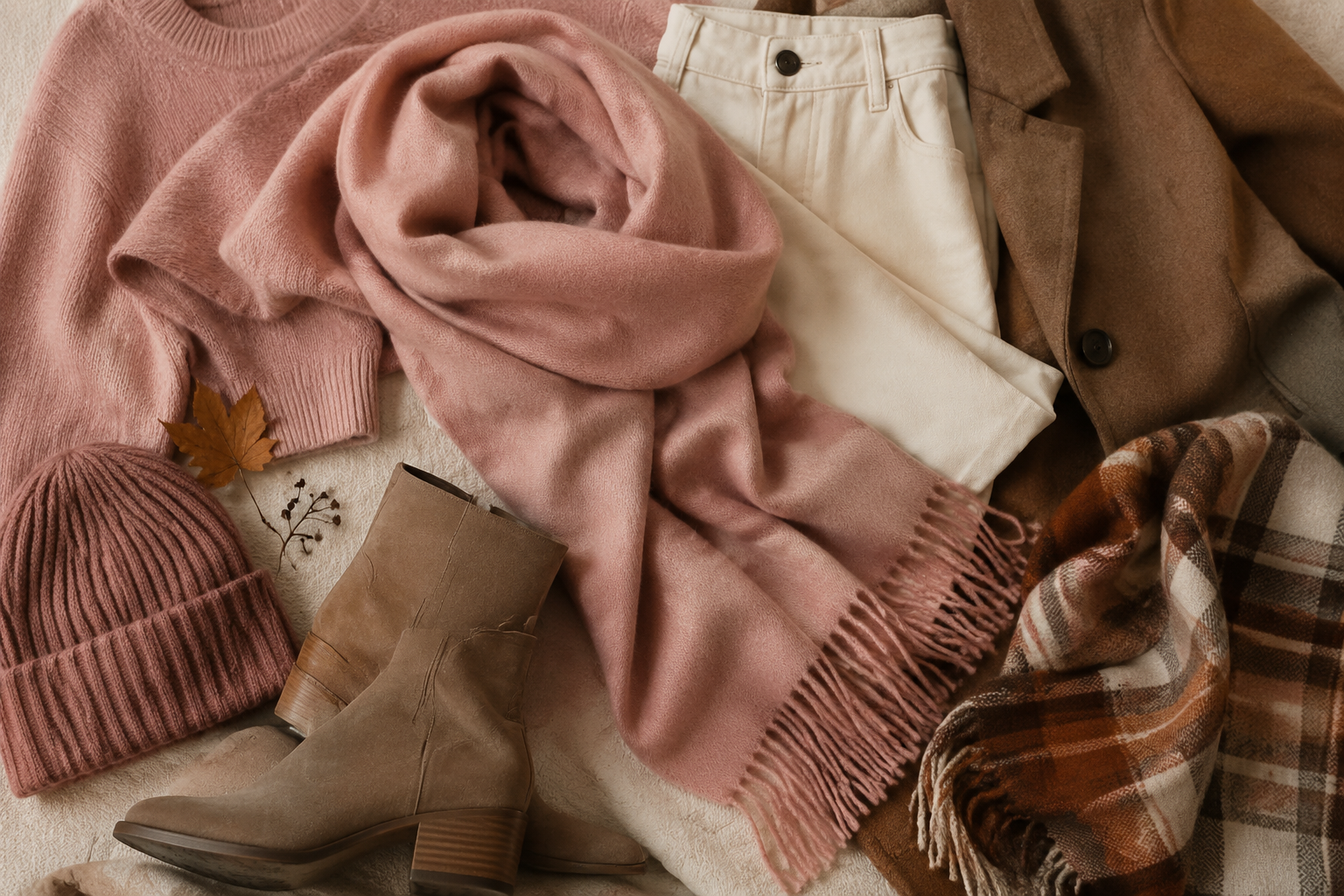
The color story matters more at home than it does out. In a venue, the room does the work: candlelight, dark corners, a sea of black and gold. At home, the lighting is what it is, usually a mix of warm lamps and the cold blue glow of a television screen. Bright white and pale pastels turn muddy under that combination. Jewel tones hold up. Emerald, burgundy, sapphire, and a rich terracotta all survive mixed lighting. So does black, obviously, but a solid black outfit at home can read as either sleek or slightly funereal depending on the hour. A black base with one saturated element, a rust-colored blazer, a burnt-orange scarf, a pair of burgundy heels, breaks the monotony without demanding the full costume treatment.
The Accessory Math Changes When You Never Leave the House
The classic advice about accessories, that you should remove one thing before you leave, assumes a public setting with a dozen visual cues competing for attention. At home, the opposite is true. A single statement piece carries the entire look, and it needs to be chosen with the specific room in mind. Large sculptural earrings work wonderfully because they frame the face in conversation and on camera, and they do not dig into your neck when you lean back on the couch. A chunky gold necklace, the kind that would normally fight with a cocktail dress's neckline, pairs perfectly with a simple crewneck or a button-down shirt. The accessory becomes the outfit's entire point rather than an afterthought.
But the real trick is to avoid the trap of wearing everything. At a party, no one notices if you have on three rings, a bracelet, a watch, and a necklace because the room distracts. At home, the eye goes straight to the clutter. One piece, chosen with intent, beats a pile of options. A single vintage brooch on a blazer lapel, a pair of pearl studs with a high-neck top, a thin chain worn with a deep V-neck. The restraint itself reads as polish. It signals that the look was composed, not assembled from whatever was lying on the dresser.
Footwear requires a separate conversation. Heels at home are a decision that almost always ends in regret. The living room does not have a dance floor, and the kitchen floor is a hazard zone for a stiletto. The polished solution is a dressy flat or a low block heel. A pointed-toe flat in a metallic finish, a mule with a slight arch, a velvet slipper with a subtle embroidered detail. These keep the outfit's formality intact while allowing for the reality of moving through a house. If the evening includes any standing at a stove or walking across a hard floor, a cushioned insole or a thicker sole matters more than the brand name on the sole.
Makeup for the Camera's Close Range
Makeup for a home celebration has one dominant constraint: the selfie. The front-facing camera on a phone is merciless in ways that a party's dim lighting never was. It picks up texture, it flattens contour, and it exaggerates any shimmer. The standard holiday makeup advice, heavy highlight, dramatic contour, a bold lip, was designed for photographs taken from a distance with a flash. Up close, without a flash, the same look turns into a mask.
The better approach is to build the face around one feature and let the rest stay quiet. A deep red or berry lip, applied with a precise liner, gives the classic festive feel and photographs beautifully against a neutral eye. Or a defined eye, a smoky shadow in bronze or plum with a tight line of black liner, pairs with a nude or glossy lip. The key is the balance. Two strong features compete, and the camera flattens both. One strong feature reads as intentional and luminous.
Skin prep becomes the real foundation. The hours before midnight involve eating, drinking, laughing, and probably a little sweating from the kitchen work. A heavy layer of full-coverage foundation will crease and crack by 11 p.m. A lighter tinted moisturizer or a serum foundation, set with a translucent powder only in the T-zone, holds up better and looks more like skin. The highlighter, if it stays at all, should be a cream formula applied with a fingertip, not a powder that catches every bit of overhead light. And lipstick needs a strategy: a matte formula stays put through champagne and snacks, but it can be drying. A satin or cream formula is more comfortable but will need one touch-up. The choice depends on whether the evening involves a sit-down dinner or continuous grazing.
The other detail that goes unnoticed until it is wrong is the brow. Camera close-ups tend to make brows look thinner and lighter than they are in person. A quick brush-through with a tinted brow gel, just to add definition without drawing a hard line, keeps the face framed in photos. It is one of those small moves that does not appear in any tutorial but makes the difference between a photo that looks polished and one that looks slightly unfinished.
Hair That Survives the Couch
Hair is the element that most home celebrations get wrong, because the hairstyle that works for a standing cocktail hour does not survive forty minutes of sitting against a backrest. A sleek straight blowout will flatten where it touches the couch. Loose waves will frizz with indoor heat and the steam from a kitchen. The styles that hold up at home are the ones that involve an intentional anchor.
A low chignon or a French twist keeps the hair off the neck, survives leaning back, and looks elegant in every camera angle. A high ponytail, wrapped with a strand of hair to hide the elastic, gives a modern polish that reads clearly on video calls and photographs. Braids work, but only if they are done tightly and deliberately, French braids that sit close to the head rather than loose bohemian waves that will unravel. The common thread is that the style is secured. Loose hair, no matter how well it was curled, will end the night looking like it lost a fight with a throw pillow.
For those with shorter hair, the same principle applies. A headband, not the thin metal kind but a padded velvet or silk version, adds a festive touch while keeping the hair off the forehead. It also photographs well and does not require any styling skill. For those who want volume without the maintenance, a dry texture spray applied at the roots before the evening starts gives the hair enough grip to hold its shape without looking stiff.
The Lighting Setup Is Part of the Look
The one factor that will make or break the entire look is not on the body at all. It is the lighting in the room. A polished outfit, perfect makeup, and a well-done hairstyle will all be wasted under the flat, greenish glow of a ceiling fixture or the harsh white of a bare LED bulb. The home celebration look includes the environment, and the people who look best in midnight photos are the ones who bothered to adjust their surroundings.
The fix is simple and does not require buying anything. Turn off the overhead light. Turn on the table lamps, the floor lamp in the corner, the string lights if they are up. Warm bulbs, ideally 2700K or lower, soften the face and make every fabric look richer. A candle or two on a side table adds a flickering warmth that no filter can replicate. The television, if it stays on for the countdown, should be treated as a light source and balanced accordingly. The goal is a room that glows rather than a room that illuminates.
The placement of that light matters for the photo moment. A lamp placed behind the camera position lights the face evenly. A lamp placed behind the subject creates a halo effect that can be flattering or can wash out the features depending on its intensity. The practical approach is to test it before midnight, take a quick selfie, and adjust. This is not vanity. It is the difference between a photo that will be posted and a photo that will be deleted.
The Last Hour Needs a Different Kit
Every party has a moment, usually around 11:30, when the initial polish starts to fade. The lipstick has worn off from the champagne glass. The hair has slipped from its original placement. The outfit has accumulated the small wrinkles of an evening spent moving between the kitchen and the couch. The polished look, at home, is not a static thing. It is a maintenance routine that runs in the background.
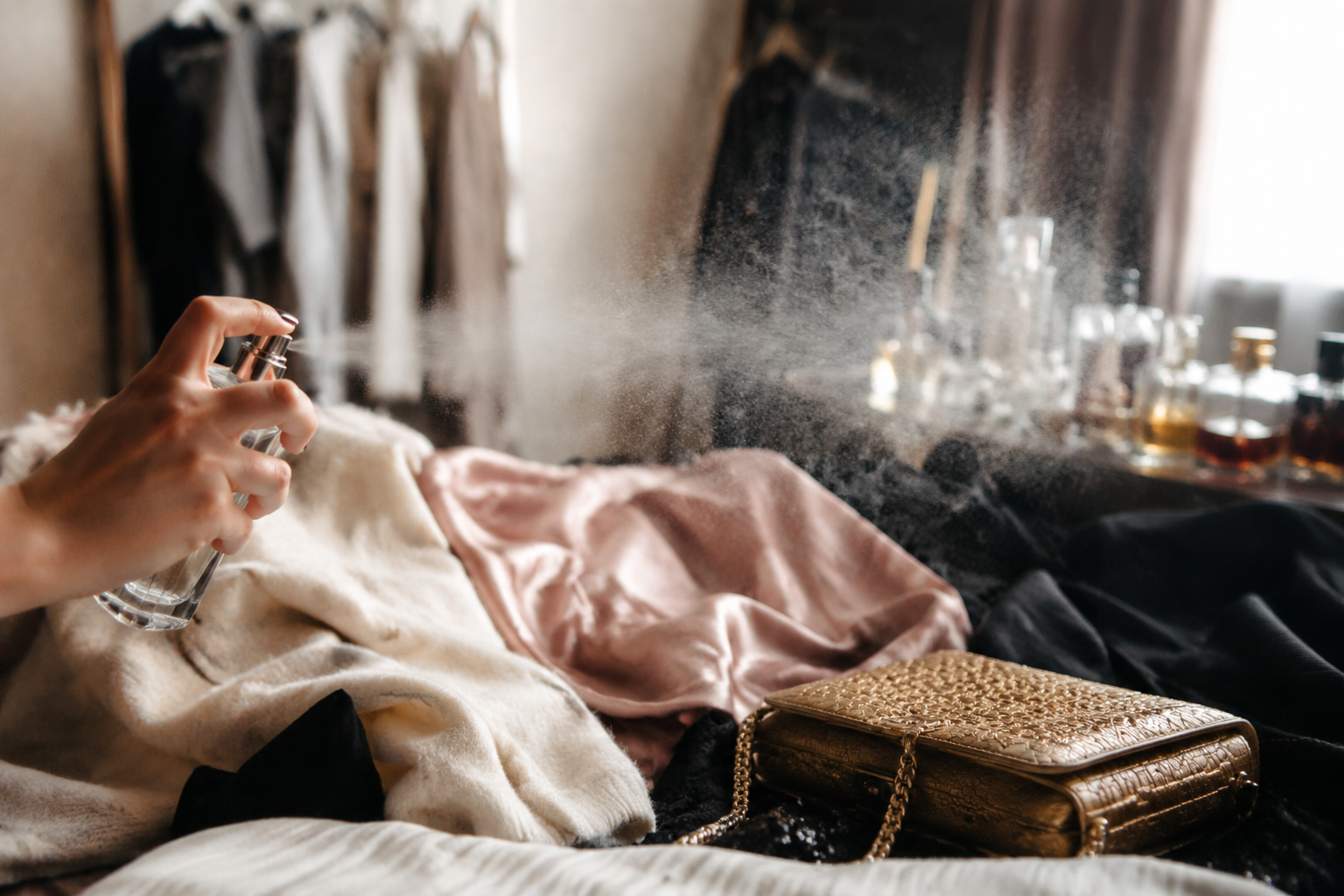
Keep a small kit in the bathroom, not in the bedroom, because the bathroom is where the touch-up will happen. A lipstick in the same shade as the original application. A pressed powder compact for the nose and forehead. A travel-size hairspray or a small comb. A blotting paper or two. The act of checking the mirror at 11:15 and spending ninety seconds on repairs will make the midnight photo look as fresh as the 9 p.m. one. The people who skip this step are the ones who wonder why their 11:59 photo looks tired.
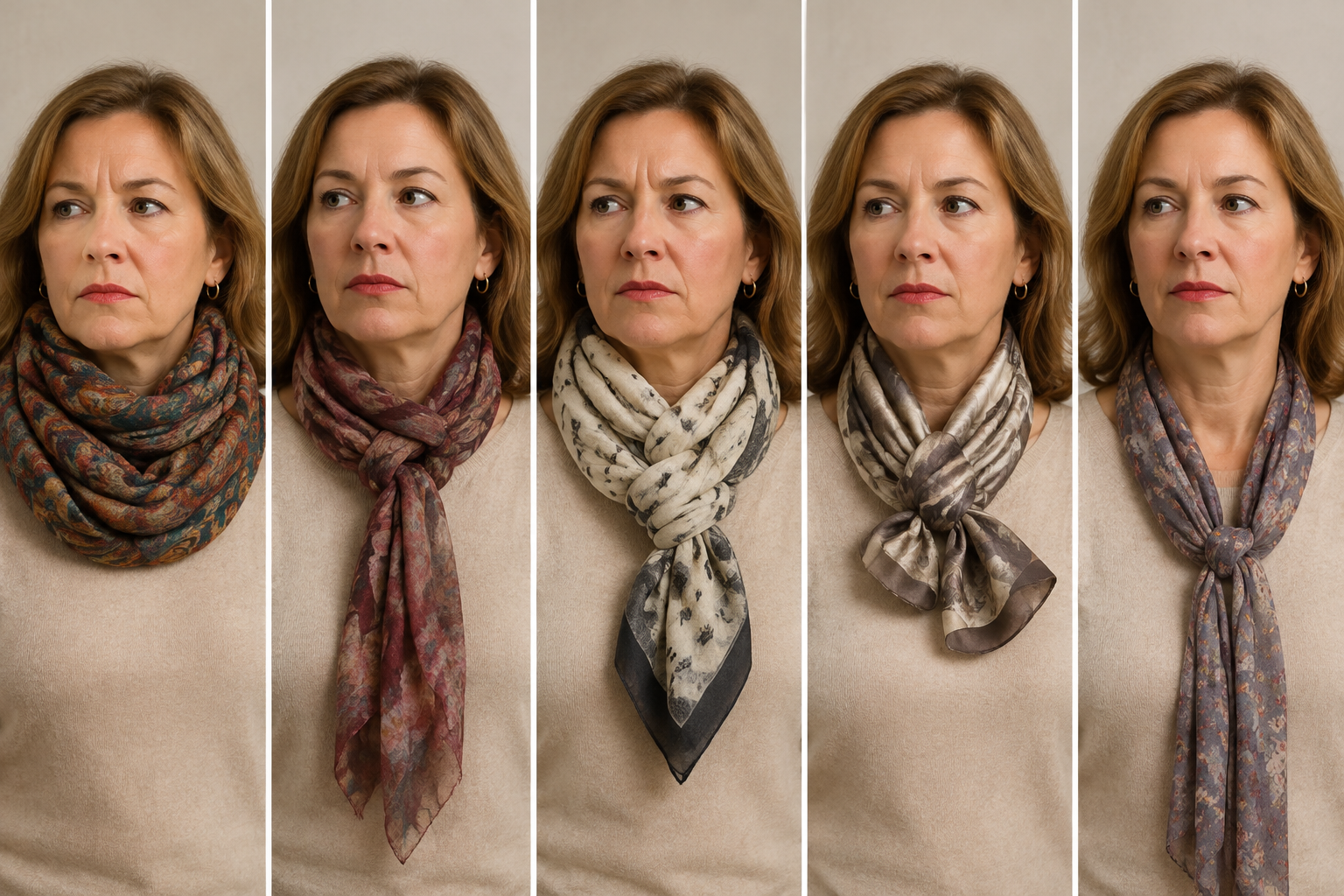
There is also the question of what to wear during the actual meal, if the dinner stretches long. The polished solution is to plan the outfit in two layers. A dress or jumpsuit that stands alone, with a cardigan or blazer that can be removed for the meal and restored for the countdown. The cardigan should be part of the look, not an afterthought. A cropped knit in a complementary color, a structured blazer in a contrasting fabric, a silk scarf draped over the shoulders. The ability to adjust the temperature without changing the entire outfit is the quiet mark of someone who has done this before.
The final element is the one nobody mentions in the glossy magazine spreads: comfort as a form of confidence. The person who is slightly adjusting a strap, tugging at a hem, or shifting in a pair of too-tight shoes reads as uncomfortable in every photo. The person who is at ease, whose clothes move with them, whose shoes do not pinch, whose hair does not require constant touching, radiates the exact quality that the makeup and the velvet and the jewelry were meant to create. The polish comes from the outside in, but it lands from the inside out. A beautiful outfit worn with a grimace is just a costume. A simple outfit worn with ease is a look.
The countdown will happen whether the outfit cooperates or not. The champagne will be opened, the glasses will clink, the photo will be taken. The difference between a good New Year's Eve at home and a great one is not the price tag on the dress or the brand of the eyeshadow. It is the small, deliberate choices made before the evening starts: the fabric that moves, the single statement accessory, the secured hairstyle, the warm light in the corner, the touch-up kit by the sink. Those choices compound into a version of yourself that looks exactly the way you want to remember the year ending, and the way you want to greet the new one.