Humidity is the silent editor of every beach-week outfit. Cotton that felt breezy in an air-conditioned bedroom turns into a damp, clingy second skin by noon. Linen, the fabric of choice for anyone who has ever read a travel blog, wrinkles into a deep accordion fold within an hour of landing. The mistake is treating a beach week like a regular vacation, packing for the balmy 75-degree evening you imagine, not the 90-degree, 80-percent-humidity afternoon that actually shows up.
Most packing advice for hot destinations is written by people who live in dry climates. They recommend layers and breathable weaves without understanding that the enemy is not heat, it is moisture in the air that never evaporates. After a decade of packing for beach weeks in Florida, the Gulf Coast, and the Caribbean, the same six errors keep ruining outfits within hours of arrival. Fix these, and the rest of the suitcase takes care of itself.
The Cotton Tee Trap
Cotton t-shirts are the default choice for beach travel, and they are the single fastest way to look like a mess by 11 a.m. The fabric absorbs sweat and holds it against the skin, which means the shirt gets heavier, darker, and more translucent as the day goes on. A plain white cotton tee in high humidity is not a fashion statement; it is a wet paper towel with sleeves.
The fix is not to bring fewer t-shirts, but to bring different ones. Viscose blends, modal, or the newer performance knits made from recycled polyester and spandex dry in about a third of the time. They also move with the body instead of sticking to it. A good travel t-shirt should feel almost slippery to the touch, not fuzzy. If the fabric clings to a dry hand when you hold it, it will cling to a sweaty back twice as fast.
There is a middle ground for people who cannot give up the cotton feel. Seersucker cotton, the puckered fabric that old Southern politicians wore for a reason, holds the fabric away from the skin so air can circulate. It wrinkles on purpose, so the humidity cannot add insult to injury. But plain jersey cotton, the kind that makes up 80 percent of the average drawer, should stay home.
Packing Denim That Weighs Ten Pounds
Denim is a humidity amplifier. A pair of jeans or a denim jacket weighs about two pounds dry and closer to four when saturated with atmospheric moisture. It does not dry overnight, it does not pack small, and it chafes in ways that ruin a beach walk. The people who pack denim for beach weeks are usually the same people who complain that nothing in their suitcase fits by day three.
The alternative is not to abandon structure, it is to find it in lighter weights. Linen pants with an elastic waistband, lightweight chinos in a breathable twill, or even a pair of wide-leg trousers in a cotton-linen blend give the same pulled-together look without the swamp factor. For shorts, the answer is technical fabric. A pair of quick-dry board shorts or golf shorts with a stretch waistband can go from the beach to a casual dinner without a second thought.
If denim is non-negotiable, limit it to one item, a pair of light-wash cutoff shorts or a thin denim shirt worn open over a tank. Full-length denim in a beach climate is a decision that no one regrets in hindsight because it always gets changed out of before dinner.
The Hair Dryer That Never Gets Used
Beach-week packing lists always include a hair dryer, a straightener, or a curling iron, and the humidity undoes every minute of styling before breakfast is over. The air itself is the enemy of heat styling. Hair that was flat-ironed at 7 a.m. is a frizzy cloud by 9 a.m. because the moisture in the air re-enters the hair shaft as soon as the style cools.
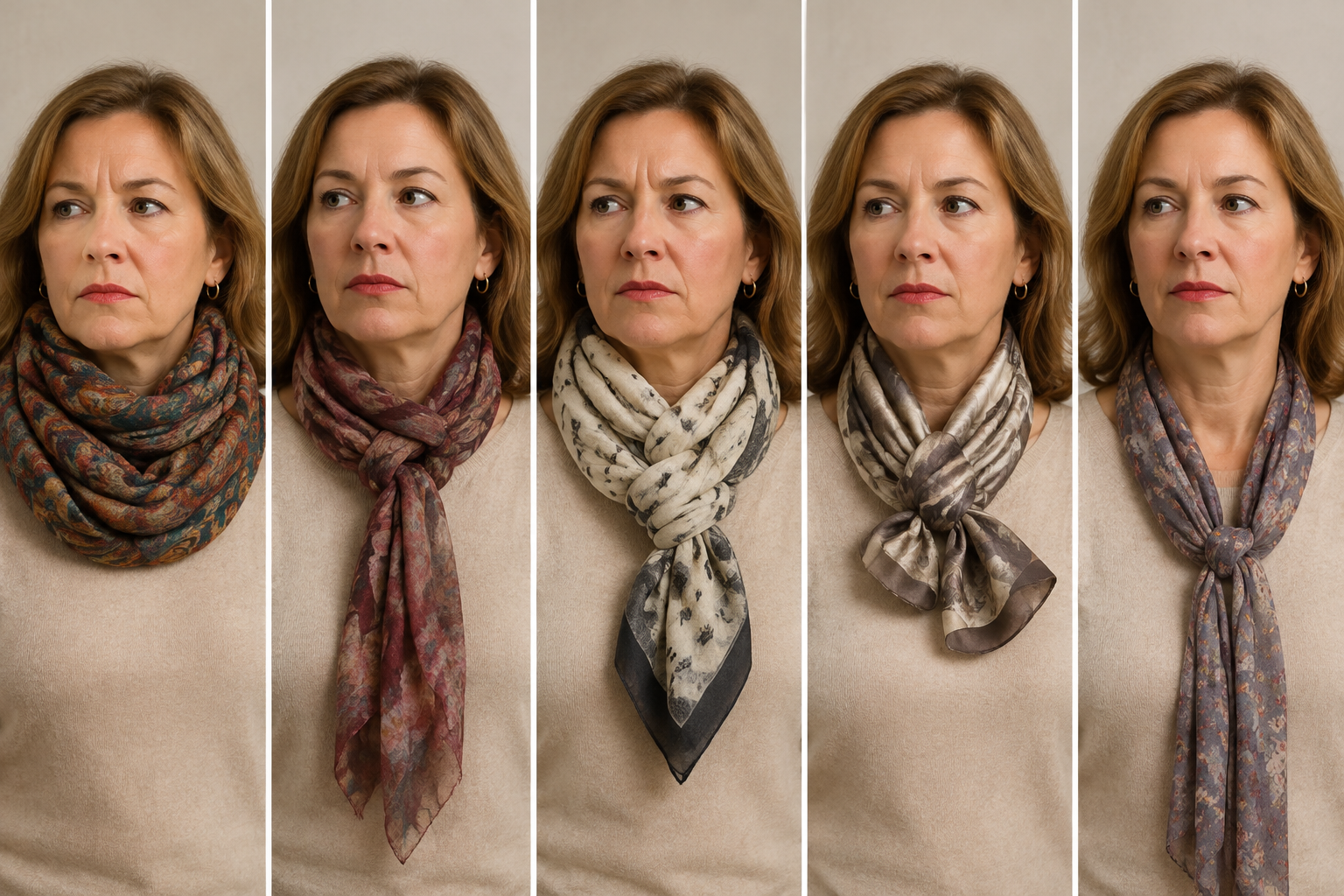
The smarter play is to pack for the hair you will actually have, not the hair you want. That means dry shampoo, a good leave-in conditioner with anti-frizz properties, and a wide-tooth comb. A silk scarf or a loose braid will do more for a beach-week look than any hot tool. If a blow dryer is essential, the compact travel version is fine, but it should be the last thing packed, not the first, because it will be the least used.
This is also the time to consider a cut. A shoulder-length lob or a short bob is infinitely easier to manage in humidity than long, heavy hair that traps moisture against the neck. The people who look good in beach photos are almost never the ones who fought the climate, they are the ones who worked with it.
Packing Shoes for the Hotel, Not the Sand
The suitcase full of sandals, sneakers, and one pair of heels for a night out is a classic error, because none of those shoes survive the beach itself. Sand gets everywhere, salt water ruins leather, and wet flip-flops squeak for the rest of the week. The shoes that actually work are the ones designed for wet conditions, not the ones that look good in a resort lobby.
Pack one pair of rubber flip-flops or water shoes for the sand and the pool, one pair of breathable walking sneakers with mesh uppers for getting around, and one pair of dress shoes that are not leather. A pair of canvas espadrilles or a rubber-soled sandal with a block heel covers a dinner reservation without the panic of watching suede get ruined by ocean spray.
The real test is whether a shoe can be rinsed off with fresh water at the end of the day. If it cannot, it is a liability. Beach weeks are not the time for your best leather loafers, they are the time for the shoes you do not mind losing to the elements.
Bringing One Heavy Outfit for a Night Out
Every beach week has one person who packs a heavy dress or a blazer for a single fancy dinner. That outfit takes up a quarter of the suitcase, gets wrinkled in transit, and is too hot to wear by the time the reservation comes. The humidity does not care that you planned a nice evening, it will make a velvet dress unwearable before the appetizers arrive.
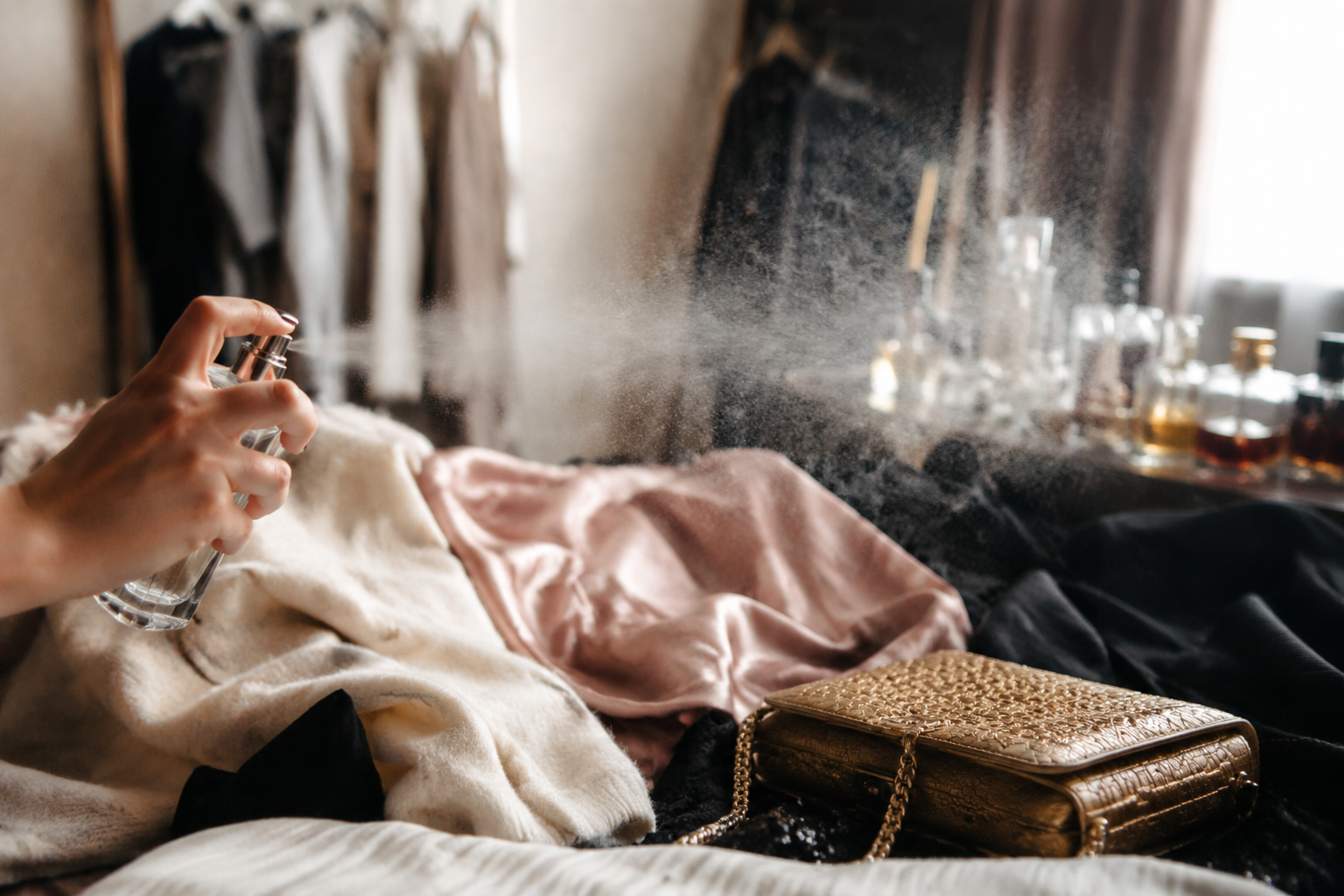
The lighter version of the same idea exists. A slip dress in a silky synthetic fabric, a linen jumpsuit, or a cotton poplin shirt dress all read as evening-appropriate without fighting the climate. Add one statement accessory, a metallic sandal or a structured bag, and the outfit elevates itself. The trick is to let the accessory do the heavy lifting while the fabric stays light and loose.
If a blazer feels necessary, a cropped one in a washed linen or a lightweight cotton twill works. The structure comes from the cut, not the fabric weight, and it packs flat without crushing. Anything with a lining, wool, or a heavy synthetic blend should be left in the closet.
Forgetting That Clothes Need a Recovery Day
The final mistake is not about what gets packed, it is about what gets worn when. Beach-week clothes get saturated, salted, and sweated through, and they need time to dry and reset. Packing a full seven-day wardrobe for a seven-day trip means every single item gets worn once and then sits in a damp pile, because nothing dries fast enough in high humidity to be worn twice.
The fix is counterintuitive: pack fewer pieces and plan to repeat them. A capsule of five tops, three bottoms, and two swimsuits works better than a suitcase full of singles. The key is hanging clothes up immediately after wearing them, letting them air out overnight, and spot-cleaning with a travel-sized stain stick. A shirt worn for two hours and then hung in a dry closet is wearable again the next day. A shirt crumpled on the floor of a beach rental is not.
This also means packing fabrics that survive a second wearing. Technical knits, linen blends, and washed cottons all forgive a repeat appearance. Crisp poplin and stiff new cotton do not. If an item looks crushed after a single wear, it will look destroyed after two, and the whole suitcase becomes a graveyard of unwearable outfits by midweek.
Humidity punishes the over-packer more than the under-packer. The person who brings ten outfits wears the same two all week, and the person who brings five wears each one twice with a clean conscience. The suitcase that breathes is the one that survives contact with the coast, and the outfits that hold up are the ones that never try to fight the air in the first place.