The wind does not care about your outfit. It will lift the hem of a midi skirt at a crosswalk, press the fabric flat against your thighs, and turn an elegant silhouette into something closer to a sail. This is the central problem of the season, and it is not solved by buying a heavier skirt. It is solved by understanding how weight, cut, and understructure interact with movement. A midi skirt is a piece of fabric with a job to do, and on a windy day, the job changes.
Most styling advice for windy fall days starts with the wrong premise: that you should fight the wind. The better approach is to work with the physics of the garment. A midi skirt has a hemline that sits somewhere between the knee and the ankle, which means it catches wind like a parachute only when the fabric is light and the cut is wide. The fix is not to abandon the midi skirt. The fix is to choose skirts that have enough weight to resist the breeze, and to pair them with layers that anchor the whole ensemble in place.
The Weight of the Fabric Decides Everything
Walk into any clothing store in September and the racks are full of midi skirts in viscose, rayon, and lightweight cotton. These are lovely for a still afternoon in early autumn. They are useless in a gust. Fabric weight is measured in grams per square meter, and while most shoppers never look at that number, it is the single most reliable predictor of how a skirt will behave outside. A skirt that weighs under 200 grams per square meter will float and billow. A skirt in the 250 to 350 gram range will hold its line. Above 400 grams, you are in coat territory, and the skirt will hang with a kind of immovable dignity.
Wool is the obvious champion here. A wool crepe midi skirt at 300 grams has a drape that resists wind without looking stiff. Tweed is even better, though it reads more formal. Corduroy works surprisingly well, especially a wide-wale version, because the ridges add structural integrity to the fabric. A heavy cotton twill or a denim midi skirt is another strong option, though denim in a midi length can feel heavy-handed if the cut is not right. Look for A-line shapes in these heavier materials rather than full-circle cuts. An A-line skirt has a moderate flare from the hip, which means less surface area for the wind to catch. A full-circle skirt, no matter how heavy the fabric, is a kite waiting for a string.
The texture matters too. A brushed surface, like flannel or a wool blend with a slight nap, creates friction that helps the fabric stay put against tights or bare legs. Smooth satins and slick linings are the enemy. They slide against each other and against the skin, which means the wind can move the skirt independently of your body. If you already own a slippery midi skirt that you love, the fix is a half-slip in a matte cotton or modal fabric. It adds a layer of friction and makes the skirt behave.
The Cut That Bites the Wind
Beyond fabric, the shape of the skirt determines how much air it can trap. A pencil skirt is the most wind-resistant midi silhouette because it has no volume. The fabric hugs the body from hip to hem, and there is simply nowhere for a gust to get underneath. The tradeoff is that a pencil skirt can be restrictive to walk in, especially if it has a narrow hem. A slit helps. A back slit or a side slit at the knee or just above it allows the skirt to move with your stride while keeping the rest of the panel anchored.
Straight skirts, which are cut with a slight taper or a completely straight fall from the hip, are the middle ground. They have a little more ease than a pencil skirt but not the excess fabric of a full A-line. A straight midi in a heavy ponte knit or a ribbed wool is almost ideal for windy days. It skims the body without clinging, and its narrow circumference means the wind has little to push against. The hem stays where it is because there is no fabric to lift.
Pleated skirts are the tricky ones. A knife-pleated midi in a lightweight fabric is one of the most beautiful things in fashion and one of the most impractical. The pleats act like channels for the wind, and the entire skirt can invert in a single gust. This is not a matter of styling. It is geometry. If you want to wear pleats on a windy day, you need a pleated skirt in a heavy fabric, like a wool crepe or a double-faced satin, and you need to accept that the pleats will not stay crisp. They will soften and shift. That is fine. It is a different look, a more lived-in one, but it is not the look you see in the catalog photo.
There is also the question of the hemline itself. A hem with a bit of weight, like a deep turned hem or a hem band, will hang better than a narrow rolled hem. Some designers add a lining with a weighted hem chain, a thin metal chain sewn into the bottom edge. This is not a common feature, but it is a brilliant one. You can replicate it by having a tailor sew a length of small chain into the hem of a skirt you already own. It adds just enough mass to keep the fabric down without changing the way the skirt hangs in still air.
Tights, Boots, and the Anchor Effect
The skirt is only half the equation. What you put under it and on your feet determines whether the whole look holds together. Tights are the first line of defense. A pair of opaque tights in a dark color creates a visual and physical connection between the skirt and your shoes. The eye reads the skirt, the tights, and the boots as a single column, so even if the skirt moves, the overall silhouette remains intact. Sheer tights do not do this. They leave the leg looking bare, which breaks the line and makes the skirt seem to float on its own.
Boots, specifically knee-high or over-the-knee boots, are the strongest anchor for a windy-day midi skirt. The skirt hem can sit right at the top of the boot shaft, so there is no gap for the wind to enter. The fabric rests on the boot rather than floating in the air. This is the oldest trick in the book, and it works for a reason. If knee-high boots are not your style, a chunky ankle boot with a substantial sole works too, though it leaves a gap between the boot and the hem. In that gap, the skirt can still move. The trick then is to wear the skirt long enough that it nearly touches the boot, leaving just a sliver of tights visible. That small overlap is enough to keep the fabric from rising.
Shoes with a heel, even a modest one, change the way a skirt falls. A heel tilts the pelvis slightly forward, which changes the hang of the skirt and often makes it fall more cleanly. Flat boots or sneakers let the skirt hang straight down, which means more fabric at the hem and more surface area for the wind. This is not a reason to avoid flats, but it is a reason to check the hem length in a mirror before you leave the house. A skirt that brushes the top of your foot in flats will clear it by an inch in heels, and that inch of clearance matters when the wind picks up.
The Layer That Keeps the Top Half From Losing the Bottom Half
A windy day does not only attack the skirt. It attacks the whole outfit, and if your top half is flapping around, the skirt becomes part of a larger mess. The solution is a fitted layer on top. A turtleneck, a crewneck sweater, a fitted blazer, all of these keep the upper body streamlined. When the wind hits you, a snug top reduces the overall volume of the silhouette, which in turn makes the skirt look intentional rather than accidental.
The length of the top matters. A cropped sweater that ends at the waist leaves the skirt as the only vertical element, which is fine, but it does not give the wind anything else to work with. A longer top, one that falls just past the hip, creates a smooth transition from torso to skirt. This is especially useful with a midi skirt in a heavier fabric, because the top acts as a counterweight. The eye moves down the body in one continuous line, and the wind has to work harder to disrupt that line.
Outerwear is the final anchor. A long coat, anything that falls below the hip, will press the skirt against your legs and keep it in place. This is the practical reason why trench coats and wool overcoats are so often photographed with midi skirts in autumn. The coat does not just keep you warm. It pins the skirt down. A shorter jacket, like a leather biker jacket or a cropped denim jacket, does the opposite. It leaves the skirt exposed. That is not a reason to avoid a short jacket, but it is a reason to choose a heavy skirt when you wear one.
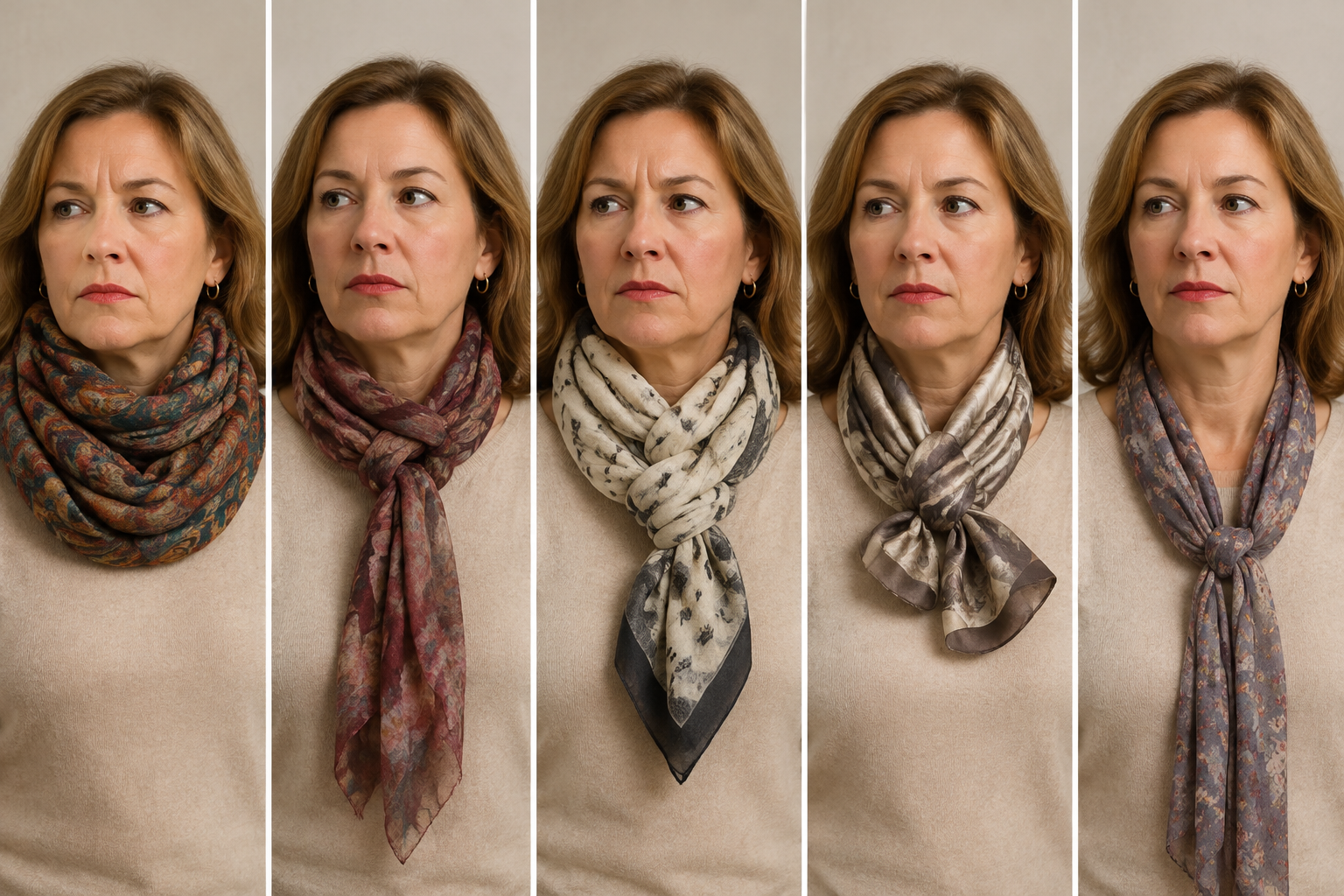
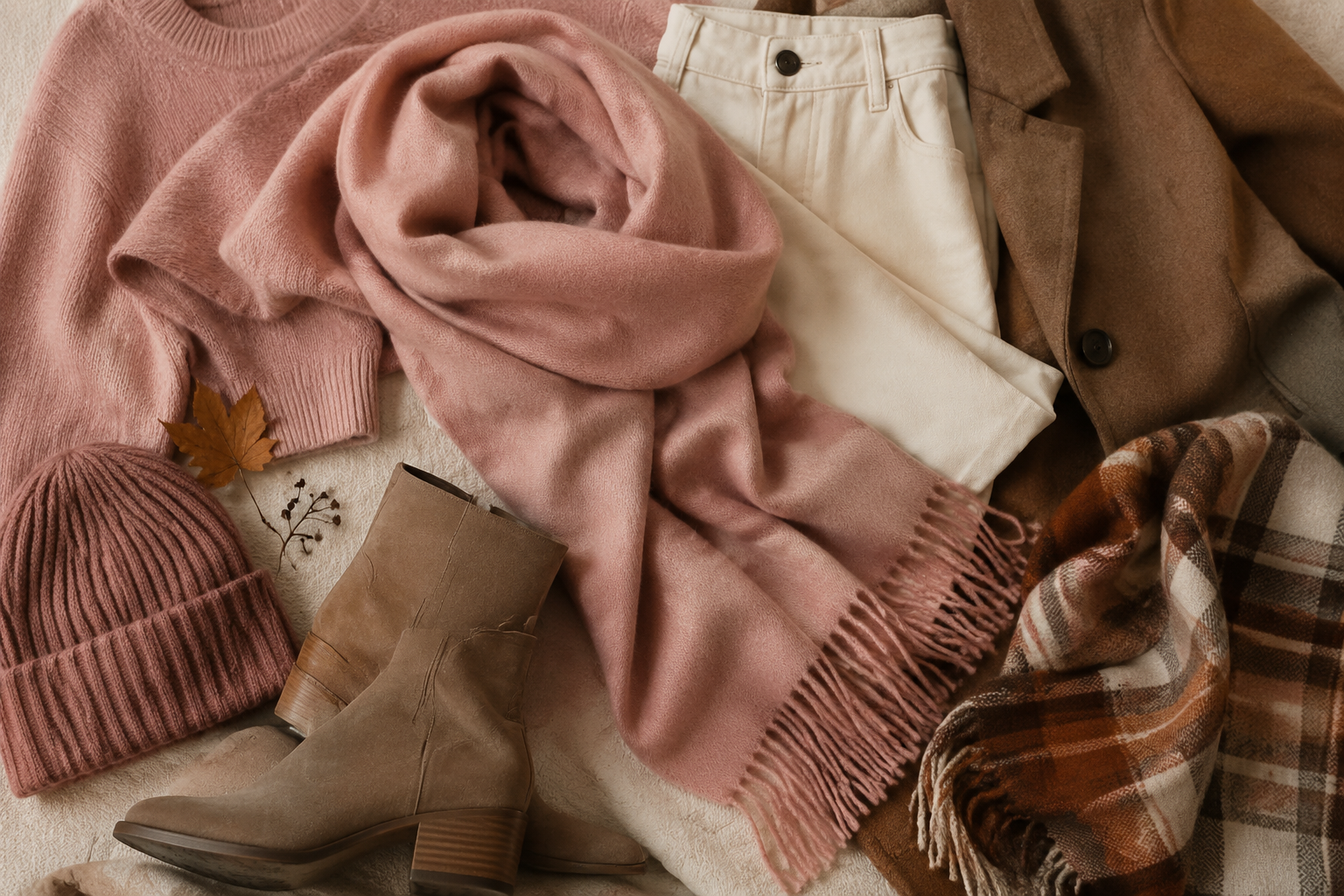
One more layer to consider is a scarf. A long, thick scarf worn loosely around the neck or draped over one shoulder adds weight and movement to the upper body. When the wind catches the scarf, it takes the brunt of the gust, and the skirt stays calm. This is not a scientific principle. It is just how the air works. Something flapping up top means something else can stay still down below.
The Walk, the Stance, and the Reality of the Street
No outfit survives contact with a real windstorm, and pretending otherwise is a waste of your time. At some point, the skirt will lift. The question is how you handle it, and that is a matter of movement, not just clothing. Walking with a slightly shorter stride keeps the hem closer to your legs. Pausing at a corner to let a gust pass is not a defeat. It is the same thing you do with your hand when you hold down a hat. The body is part of the system.
People who look good in midi skirts on windy days are not wearing magic garments. They are wearing skirts with enough weight to resist the breeze, boots or shoes that anchor the hem, and a top layer that keeps the whole silhouette coherent. And they have accepted that the wind will still get a vote. A skirt that lifts for a second and settles back down is not a failure. It is fabric doing what fabric does. The difference is that a heavy, well-cut skirt lifts and settles with some grace, while a light, wide skirt turns into a banner. Choose the former, and the walk to the train becomes a negotiation, not a disaster.
There is a particular pleasure in nailing this, in stepping out of the house on a blustery October morning and feeling the skirt hold its line while everything around you is chaos. It is a small victory, but it is a real one. The wind will not stop, and the skirt will not stay perfect. But it will stay on you, and it will stay in shape, and that is enough to get you where you are going without spending the whole walk clutching at your hemline.
The last thing to say is about the hem itself. Check it before you leave. If the hem is torn, if the stitching is loose, if the fabric is pilling at the edge, all of the styling in the world will not save it. A midi skirt on a windy day is only as good as its hem. That is where the wind attacks first, and that is where the skirt either holds or fails. Spend a minute with a needle and thread if you need to. It is the most practical styling tip there is.