Jacket Dress vs Separates: What Autumn Wedding Guests Should Choose
The wedding invitation specifies autumn attire, and somewhere between the ceremony and the cocktail hour, a quiet arithmetic begins. The jacket dress and the separates outfit both solve the same problem: how to look intentional when the temperature swings from a sunny 68 to a damp 54 before the first toast. But they solve it in different currencies. One asks you to commit to a single silhouette. The other asks you to manage three moving parts. For most guests, most weekends, the jacket dress is the better trade.
This is not a claim about which one photographs better or which one the bridal party will remember. It is a claim about the actual experience of wearing clothes for six hours, from the parking lot to the dance floor to the late-night shuttle. Separates offer flexibility, and flexibility sounds like a virtue until you are standing in a chilly stone courtyard holding a clutch and regretting the cropped blazer you left in the car because it did not match the trousers in the light.
The jacket dress is a closed loop
A jacket dress, at its core, is a single garment with a built-in layer. The jacket is attached, or it is cut from the same cloth and designed to be worn as a set, or it is a deliberate two-piece that reads as one unit. The key is that the proportion was solved by the designer, not by you at 9:45 on a Saturday morning. The lapel hits at the right point. The hem of the jacket aligns with the waist of the skirt. The fabric drapes consistently because it is the same fabric.
That closed loop matters in autumn for a reason that has nothing to do with fashion magazines. Fall weddings happen in old barns with radiant heaters that turn off, in glass-walled venues where the sunset is glorious and the draft is real, in gardens that look romantic in photos and feel damp underfoot. The jacket dress keeps your core warm without requiring you to hold a jacket over your arm during dinner. It also eliminates the single most common failure mode of separates: the mismatch between top and bottom that looks fine on a hanger and slightly off on a body.
There is a specific, measurable comfort in a garment that has no internal decisions left to make. You put it on. It is done. The zipper goes up, the hooks close, and the shape holds. That is not a small thing when your brain is otherwise occupied with the couple's names, the seating chart, the aunt who corners you about your job, and the logistics of holding a plate of salmon while standing.
Separates reward the person who loves the work
None of this is to say separates are wrong. They are simply a different kind of commitment. A well-chosen separates outfit, a silk blouse under a tailored blazer with a wool trouser or a midi skirt, offers a level of personal expression that a jacket dress rarely matches. You can mix textures. You can play with color blocking. You can adjust the formality by swapping one piece while keeping another. For a guest who genuinely enjoys getting dressed, who likes the puzzle of proportion and the delight of a surprising combination, separates are the more interesting canvas.
The problem is that this pleasure requires conditions that weddings rarely provide. You need time to try three combinations and walk around in each one. You need full-length mirrors at home, not the dim hallway mirror of a hotel room. You need weather that does not change between the car and the entrance. And you need the discipline to pack a backup layer that actually works with both pieces, which is harder than it sounds.
Autumn specifically punishes the separates devotee. The morning might be warm enough for bare arms under a blazer. By the ceremony, that same blazer is necessary. By the reception, if the venue has a dance floor and a DJ, the blazer comes off, and then you are carrying it. A jacket dress keeps the layer on your body where it belongs. Separates ask you to manage the layer as cargo.
The fabric math nobody talks about
Fabric weight and weave do more work in autumn than any styling decision. A jacket dress in a ponte knit or a heavy crepe holds its shape and provides actual warmth. The same dress in a tissue-thin satin will look elegant and leave you shivering. Separates allow you to pair a thick wool skirt with a thin blouse, or a chunky knit top with a flowing skirt, and those combinations can be genuinely warm. But they also create the risk of bulk at the waist, which is the one area where everyone, regardless of size, wants less fabric, not more.
The jacket dress solves this by construction. The jacket and skirt are cut as a unit, so the waistline is a seam, not a stack. This is why so many jacket dresses photograph well from every angle: there is no bunching, no gap where the top rides up over the skirt band, no visible line where one garment ends and another begins. In a seated position, which is where guests spend roughly half the event, this difference becomes obvious. Separates tend to shift when you sit, especially if the top is tucked. A jacket dress stays put because the pieces are anchored to each other.
There is also the question of how the fabric behaves under artificial light. Autumn weddings move indoors by evening, and indoor lighting is merciless. A separates outfit in two different fabrics can create a strange color shift where the blouse reflects warm light and the skirt reflects cool light. A jacket dress, cut from one fabric, reads as a single block of color. That unity is not boring. It is cohesive. It lets the cut do the talking instead of the color contrast.
The practical case for the jacket dress
Consider the actual timeline of a typical autumn wedding guest's day. A 3:30 ceremony means leaving the house by 2:15 to account for traffic and parking. The ceremony runs forty minutes. The cocktail hour runs sixty. Dinner takes ninety. The toasts take twenty. The dancing starts around 7:30 and continues until the venue kicks people out or the couple's budget runs dry. That is a minimum of five and a half hours in the same outfit, through sitting, standing, walking on grass, eating, drinking, and moving to music.
Over five and a half hours, the jacket dress has one job and does it. The separates outfit has three jobs: the top must stay tucked or draped correctly, the bottom must stay put, and the outer layer must remain either on your body or elegantly folded over a chair. Each job is individually manageable. Together, they compound. By hour three, the blazer is over the back of the chair. By hour four, the blouse has come untucked on one side. By hour five, you are holding the blazer in one hand and a glass in the other because the coat check line is long.
The jacket dress does not eliminate all of this. A bolero-style jacket that separates from the dress creates the same problem, which is why the smartest jacket dresses are the ones where the jacket is stitched to the dress at the shoulders or the waist. Those are rare. More common is the two-piece set sold as a unit, which still allows the top to come off. But even in that case, the set was cut together, so the top and bottom align when worn together. The mismatch risk drops to near zero.
What separates still do best
The argument for separates rests on two pillars: reusability and temperature agility. A blazer and a pair of trousers can be worn separately to work, to dinner, to a dozen other occasions. A jacket dress is a one-note garment, beautiful but specific. If the guest attends multiple weddings a year, or wants to amortize the cost of the outfit across several events, separates win that calculation easily. The same blazer with a different skirt is a new outfit. The same jacket dress is the same dress.
Temperature agility matters in autumn because no one can predict the weather three days out, let alone three weeks. A separates outfit lets you shed the blazer during the ceremony if the sun breaks through, then put it back on for the walk to the car. A jacket dress offers no such option. If it has sleeves, they are always there. If it does not, you are committed to bare arms or a wrap, which is another accessory to track.
The honest answer is that separates are the right choice for the guest who attends weddings frequently, who owns a wardrobe of interchangeable pieces, and who does not mind the administrative burden of tracking a jacket. The jacket dress is the right choice for the guest who wants to arrive, look excellent, and forget about their clothes until the evening ends.
The verdict depends on the venue, not the trend
Venue type should override all other considerations. A jacket dress excels in venues with unpredictable climate, which describes most autumn weddings. Outdoor ceremonies in October, tented receptions in November, barn venues with no insulation, these are the environments where a single structured layer beats a stack of separate pieces. A separates outfit excels in controlled environments: a hotel ballroom, a country club, a restaurant with a coat check and a consistent thermostat. There, the flexibility is pure upside and the risk of cold is minimal.
The invitation often signals the venue, but not always. A wedding at a vineyard in early October is a gamble. A wedding at a converted factory with heating vents visible in the photos is safe. When in doubt, the jacket dress is the safer bet because it performs acceptably in both warm and cool conditions, provided the fabric is not too heavy. A separates outfit that is too warm becomes a burden; a jacket dress that is too warm can be left unzipped at the back or worn with the jacket loose over the shoulders.
There is also the matter of the dance floor. Separates with a tucked blouse will come untucked during an energetic song. A skirt with a waistband that digs in will become noticeable by the third hour. A jacket dress with an elastic waist or a bias cut moves with the body instead of fighting it. For guests who actually dance, which is a larger group than the photographers usually capture, the jacket dress is structurally superior. The absence of a separate waistband eliminates the most common source of mid-evening discomfort.
The color and print advantage shifts in autumn
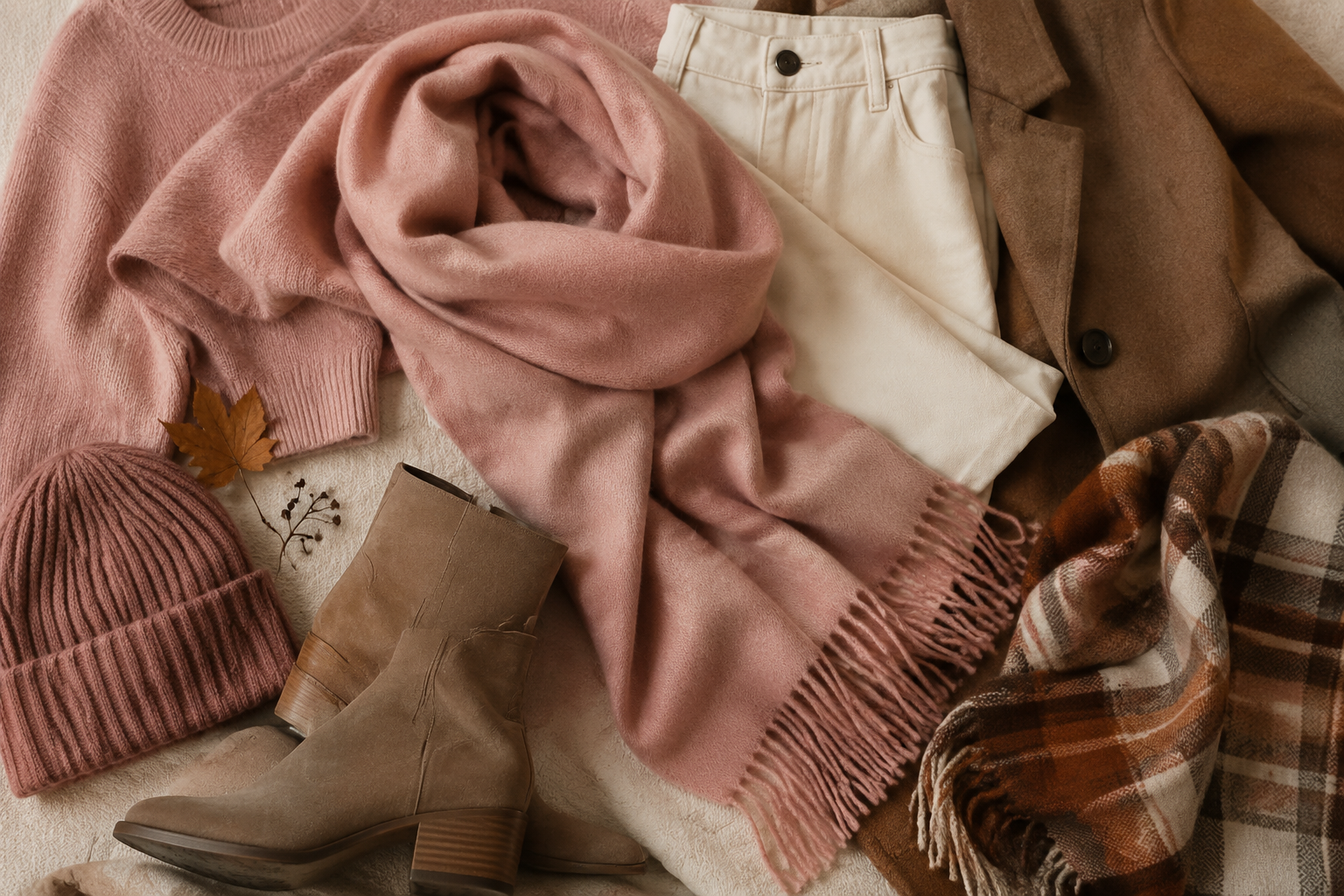
Autumn palettes run toward deep jewel tones, rust, olive, and burgundy. A jacket dress in any of these colors reads as a deliberate seasonal choice. A separates outfit in the same palette risks looking like a costume, a too-perfect nod to the season. The restraint of a single color, cut clean, actually stands out more against the falling leaves and the rustic decor than a patterned blouse paired with a plaid skirt. The eye wants one focal point, and in autumn, that focal point is often the architecture of the venue, not the outfit.
Prints complicate the jacket dress. A printed jacket dress can look busy, especially in photos with multiple guests in the background. Separates allow one printed piece and one solid piece, which is a more forgiving formula. But the safe route in autumn is solid colors in rich tones, and a solid jacket dress in a deep plum or a forest green is about as foolproof as wedding guest attire gets. It photographs well, it flatters most skin tones, and it does not compete with the bridal party.
The one caveat is the length. Jacket dresses tend to run shorter than separates skirts, because the jacket adds coverage at the top and the overall line is meant to be continuous. For a guest who prefers a longer hem, separates offer more control. A knee-length or midi jacket dress is the norm. Anything longer starts to look like a suit, which is a different register entirely.
The last hour belongs to the jacket dress
By the time the reception winds down, the candles have burned low and the room smells like coffee and cold air from the door propped open during the farewell sparkler line. This is the moment that separates the two choices. The guest in separates is holding a blazer, a clutch, a phone, and possibly a piece of cake wrapped in a napkin. The guest in a jacket dress has two free hands. One is for the car keys. The other is for the farewell hug.
The distinction is not about elegance in that final hour. It is about the compounding cost of managing a layer over six hours. Every time the blazer came off and went back on, that was a decision. Every time the blouse needed a tuck, that was a minor chore. The jacket dress consolidated those decisions into the morning, and by the evening, it simply held. That is the real value proposition, and it is why, for a standard autumn wedding with an outdoor component and a dance floor, the jacket dress is the choice worth making.
Choose separates when the venue is indoors, the temperature is controlled, and you have the time and the mirror to get the proportions right. Choose the jacket dress for everything else. Autumn is littered with everything else.